
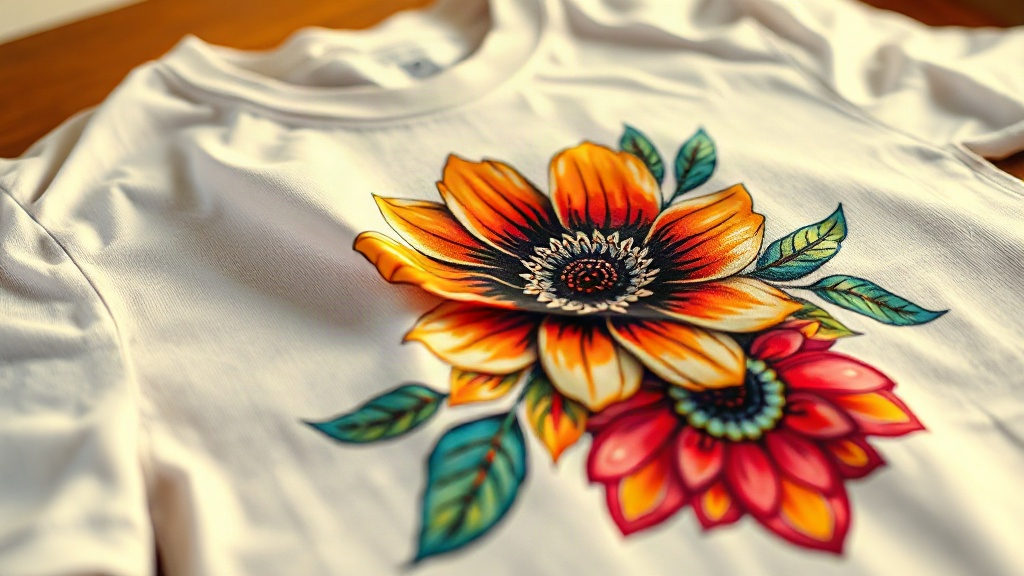
If you've been in the custom apparel game for even a short time, you've likely heard the buzz around DTF Transfers. This printing method has taken the industry by storm, and for good reason. Unlike traditional techniques that limit you to certain fabrics or require expensive equipment, DTF transfers offer a versatile, cost-effective solution that delivers vibrant, long-lasting results on almost any material. Whether you're a small business owner, a hobbyist, or a seasoned screen printer, understanding DTF transfers can open up a world of possibilities for your creations. In this guide, we'll dive deep into what DTF transfers are, how they work, and how you can use them to elevate your custom apparel projects.
What Are DTF Transfers?
DTF stands for Direct to Film. It's a printing technology where your design is printed onto a special film, coated with a adhesive powder, and then heat-pressed onto the fabric. The result is a soft, stretchable print that bonds permanently to the material. Unlike DTG (Direct to Garment) printing, which requires pretreatment and works best on cotton, DTF transfers can be applied to a wide range of fabrics, including polyester, cotton, blends, and even leather. This flexibility makes DTF transfers a game-changer for anyone looking to print on diverse garment types without investing in multiple printing setups.
How DTF Transfers Work: Step by Step
Understanding the process helps you appreciate the magic behind DTF transfers. Here's a breakdown of the key steps:
- Design Preparation: Your artwork is prepared digitally, ensuring it's mirrored and sized correctly. The design is then printed onto a special PET film using a DTF printer with pigment-based inks.
- Powder Application: While the ink is still wet, a hot-melt adhesive powder is applied evenly over the printed design. Excess powder is shaken off, leaving a thin layer that will bond the print to the fabric.
- Curing: The film goes through a curing oven or heat press to melt the powder, creating a smooth, dry surface. This step is crucial for durability.
- Transfer: The cured film is placed onto the garment and heat-pressed. The adhesive melts, fusing the design to the fabric. After cooling, the film is peeled away, leaving the vibrant print behind.
Each step requires attention to detail, but once mastered, the process is efficient and repeatable.
Why Choose DTF Transfers Over Other Methods?
There are several printing methods out there, each with its own strengths and weaknesses. So why should you consider DTF transfers? Let's compare.
Versatility Across Fabrics
One of the biggest advantages of DTF transfers is their ability to adhere to almost any fabric. Whether you're working with 100% cotton t-shirts, polyester jerseys, or even canvas bags, DTF transfers deliver consistent results. This is a significant departure from DTG, which primarily works on cotton, or vinyl, which can be tricky on stretchy materials. With DTF, you can say yes to more projects without worrying about fabric compatibility.
No Weeding or Cutting Required
If you've ever worked with heat transfer vinyl (HTV), you know the pain of weeding tiny details. DTF transfers eliminate that entirely. Your design is printed and ready to press, no cutting or weeding needed. This saves time and reduces waste, making it ideal for intricate designs with fine lines or small text.
Vibrant Colors and Fine Details
DTF transfers produce incredibly vibrant colors and sharp details. The pigment-based inks used in DTF printing are known for their brightness and opacity, even on dark fabrics. Unlike DTG, which may require a white underbase for dark garments, DTF prints are opaque by nature, so your design pops without extra steps.
Durability and Washability
When applied correctly, DTF transfers are extremely durable. They withstand repeated washing without fading, cracking, or peeling. The adhesive powder creates a strong bond that flexes with the fabric, so even stretchy materials won't cause the print to break. This longevity makes DTF transfers a smart choice for items that will see heavy use, like sports uniforms or workwear.
Cost-Effective for Small and Large Runs
DTF transfers are cost-effective for both short and long runs. There's no need for minimum order quantities, and you can print one-off designs without setup fees. For larger orders, the per-unit cost drops, making it competitive with screen printing. Plus, you can store the printed films and press them on demand, saving space and reducing inventory.
Common Applications of DTF Transfers
DTF transfers are used in a variety of industries and personal projects. Here are some popular applications:
- Custom T-Shirts: From family reunions to brand merchandise, DTF transfers create soft, wearable prints that customers love.
- Sportswear: Jerseys, leggings, and performance wear benefit from DTF's stretchability and durability.
- Denim and Jackets: Add intricate designs to denim without the stiffness of traditional transfers.
- Bags and Accessories: Tote bags, backpacks, and hats can all be customized with DTF transfers.
- Promotional Items: Small businesses can create branded apparel and giveaways quickly and affordably.
Tips for Perfect DTF Transfers
To get the best results with DTF transfers, follow these best practices:
- Use Quality Materials: Invest in a reliable DTF printer, high-quality films, and adhesive powder. Cheaper supplies can lead to inconsistent results.
- Control Temperature and Pressure: Each heat press is different, so test your settings. Typically, 300-350°F for 10-15 seconds with medium pressure works well, but always check the adhesive powder instructions.
- Pre-Press the Garment: This removes moisture and wrinkles, ensuring a smooth surface for the transfer.
- Peel Correctly: DTF transfers can be peeled hot or cold, depending on the film. Most films are cold peel, but verify to avoid smudging.
- Store Films Properly: Keep unused films in a cool, dry place away from direct sunlight to prevent premature curing.
Frequently Asked Questions About DTF Transfers
Can DTF transfers be applied to 100% polyester?
Yes, DTF transfers work exceptionally well on polyester. The low curing temperature and flexible adhesive prevent the dye migration issues that can occur with other methods. Just ensure you use a lower heat setting to avoid scorching.
How long do DTF transfers last?
With proper application and care, DTF transfers can last as long as the garment itself. They withstand dozens of washes without fading or cracking. To maximize longevity, wash inside out in cold water and avoid harsh detergents.
Do I need a special printer for DTF transfers?
Yes, DTF printing requires a dedicated DTF printer that uses pigment inks and can handle the film. However, you can also purchase pre-printed DTF transfers from suppliers if you don't want to invest in a printer.
What's the difference between DTF and DTG?
DTG prints directly onto the garment, while DTF involves printing onto a film and then transferring. DTF works on more fabrics, requires no pretreatment, and often yields more vibrant colors on dark materials. DTG is limited mostly to cotton and may require pretreatment.
Can I layer DTF transfers?
Yes, you can layer DTF transfers to create multi-color designs. Press the first layer, then apply the second on top, ensuring each layer is properly cured. This technique is great for adding depth and complexity.
Final Thoughts
DTF transfers have revolutionized the custom apparel industry by offering unmatched versatility, durability, and color vibrancy. Whether you're a business owner looking to expand your product offerings or a DIY enthusiast wanting to create personalized gifts, DTF transfers provide a reliable and cost-effective solution. By following the tips outlined in this guide, you'll be well on your way to producing professional-quality prints that impress. So why wait? Explore the world of DTF transfers today and unlock your creative potential.