
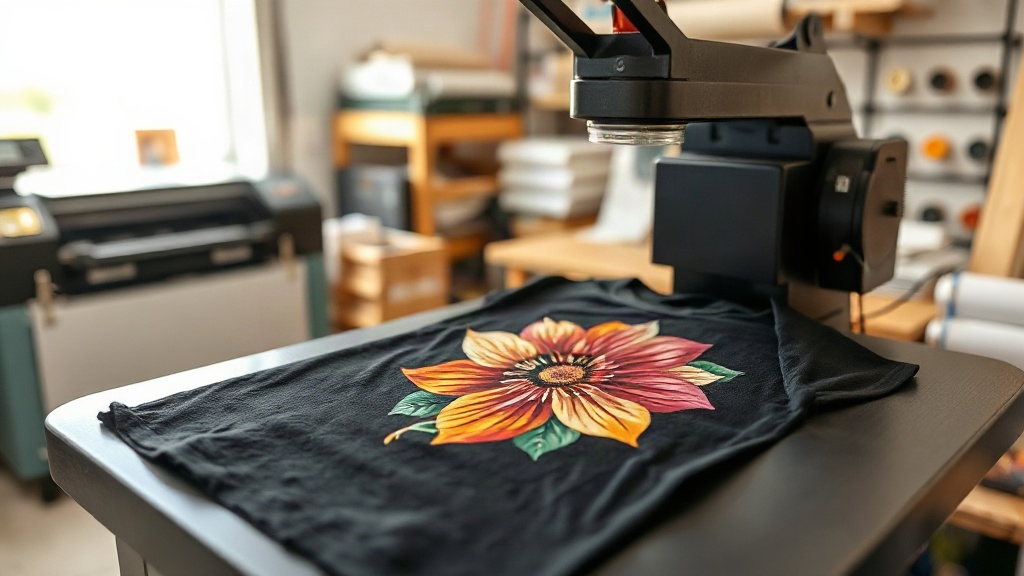
If you've been exploring custom apparel printing, you've likely encountered DTF Transfers. This innovative technology is rapidly gaining popularity for its versatility and vibrant results. Unlike traditional methods, DTF transfers allow you to print full-color designs on a wide range of fabrics without the need for weeding or masking. In this guide, we'll dive deep into what DTF transfers are, how they work, and how you can use them to create stunning, durable prints that impress your customers or elevate your personal projects.
What Are DTF Transfers?
DTF stands for Direct to Film. It's a printing process where your design is printed onto a special film, then coated with a powder adhesive, and finally heat-pressed onto the fabric. The result is a soft, stretchable, and long-lasting print that adheres to cotton, polyester, blends, and even treated nylon. Unlike DTG (Direct to Garment) which requires pre-treatment and works best on cotton, DTF transfers offer unmatched versatility.
The DTF Printing Process Explained
The process begins with a digital printer equipped with white and CMYK inks. The design is printed onto a PET film in reverse. While the ink is still wet, a thermoplastic powder is applied, which sticks to the ink. Excess powder is shaken off, and the film is heated to melt the powder, creating a adhesive layer. This film can be stored and later heat-pressed onto a garment. The heat press activates the adhesive, bonding the ink to the fabric. The film is then peeled off (hot or cold peel depending on the film), leaving a vibrant, detailed print.
Why Choose DTF Transfers Over Other Methods?
There are several compelling reasons to consider DTF transfers for your printing needs. Let's explore the key advantages.
Versatility Across Fabrics
One of the biggest advantages of DTF transfers is their ability to adhere to almost any fabric. Whether you're working with 100% cotton t-shirts, polyester jerseys, cotton-poly blends, or even canvas bags, DTF transfers deliver consistent results. This makes them ideal for businesses that offer a variety of products without investing in multiple printing technologies.
No Weeding or Masking Required
Unlike heat transfer vinyl (HTV) or screen printing, DTF transfers don't require weeding or masking. This saves an enormous amount of time, especially for intricate designs with fine details. You simply print, powder, cure, and press. This streamlined workflow increases productivity and reduces labor costs.
Vibrant Colors and Fine Details
DTF printing uses high-quality pigments that produce bright, opaque colors. Because white ink is used as a base, designs pop even on dark garments. The process also captures fine lines, gradients, and photographic details with impressive accuracy. Whether you're printing a complex illustration or a simple logo, the result is sharp and professional.
Durability and Washability
When applied correctly, DTF transfers are extremely durable. They withstand repeated washing without fading, cracking, or peeling. The prints remain flexible and stretch with the fabric, making them comfortable to wear. This longevity ensures customer satisfaction and repeat business.
How to Apply DTF Transfers: Step-by-Step
Applying DTF transfers is straightforward, but following the correct steps is crucial for optimal results. Here's a detailed guide.
- Preheat the Heat Press: Set your heat press to the recommended temperature, typically around 325°F (160°C). Prepress the garment for 5-10 seconds to remove moisture and wrinkles.
- Position the Transfer: Place the DTF transfer film onto the garment with the printed side facing up. Ensure it's positioned exactly where you want it.
- Press the Transfer: Cover with a Teflon sheet or parchment paper. Press with medium pressure for 15-20 seconds. The exact time may vary based on your press and film type.
- Peel the Film: After pressing, allow the transfer to cool for a few seconds (cold peel) or peel immediately while hot (hot peel), depending on the film instructions. Peel smoothly in one continuous motion.
- Post-Press for Durability: For added durability, press the design again for 5-10 seconds with a Teflon sheet. This ensures the adhesive fully cures.
Common Mistakes to Avoid with DTF Transfers
Even though DTF is forgiving, certain pitfalls can ruin your prints. Here are mistakes to watch out for.
Insufficient Pressure or Temperature
If the heat press doesn't apply enough pressure or the temperature is too low, the adhesive won't activate properly, leading to poor adhesion and early peeling. Always follow the film manufacturer's recommendations and use a reliable heat press with consistent pressure.
Improper Peeling Technique
Peeling too fast or at the wrong temperature can cause the design to crack or lift. If you're using a cold-peel film, wait until it's completely cool. For hot-peel, remove immediately but steadily. Rushing this step is a common error.
Not Pre-Pressing the Garment
Moisture in the fabric can create steam during pressing, which interferes with adhesion. Pre-pressing removes moisture and wrinkles, providing a smooth surface for the transfer. Skipping this step often results in premature failure.
DTF Transfers vs. Other Printing Methods
How does DTF stack up against DTG, screen printing, and HTV? Let's compare.
- DTG: Best for 100% cotton, requires pre-treatment, limited color vibrancy on dark shirts. DTF works on more fabrics and has vibrant colors on darks.
- Screen Printing: Cost-effective for large orders, but setup costs are high and not suitable for complex designs with many colors. DTF excels at full-color, detailed prints with no setup fees.
- HTV: Requires weeding, limited to simple designs, and can be time-consuming. DTF eliminates weeding and handles intricate designs with ease.
Choosing the Right DTF Film and Powder
Not all DTF supplies are created equal. The quality of your film and powder significantly impacts the final result. Look for films that offer excellent ink absorption and easy release. The powder should be fine and consistent, with a low melting point for efficient curing. Reputable suppliers like DTFPrintMe offer tested products that ensure reliable outcomes. Investing in quality supplies saves you from frustrating trial and error.
Frequently Asked Questions About DTF Transfers
Can I use DTF transfers on dark-colored shirts?
Absolutely! DTF transfers are particularly effective on dark garments because they use a white ink base that makes colors pop. The white layer ensures that the design remains vibrant and opaque, unlike some other methods that may appear dull on dark fabrics.
How long do DTF transfers last?
With proper application and care, DTF transfers can last as long as the garment itself. They withstand dozens of washes without significant fading or cracking. To maximize longevity, wash inside out in cold water and avoid harsh detergents or high heat in the dryer.
Do I need a special printer for DTF transfers?
Yes, DTF printing requires a printer that uses DTF inks (CMYK plus white) and is capable of printing on film. You can convert some inkjet printers or purchase dedicated DTF printers. Alternatively, you can buy pre-printed DTF transfers from a service like DTFPrintMe and simply apply them with a heat press.
What is the best temperature for pressing DTF transfers?
The ideal temperature range is typically between 300°F and 325°F (150°C to 160°C). However, this can vary slightly depending on the film and powder used. Always refer to the instructions provided by your supplier for the most accurate settings.
Can I stretch DTF prints?
Yes, DTF prints are flexible and stretch with the fabric without cracking. This makes them ideal for athletic wear and garments that require movement. The elasticity of the print ensures comfort and durability.
Final Thoughts
DTF transfers are revolutionizing the custom apparel industry with their versatility, vibrant colors, and ease of use. Whether you're a small business owner or a DIY enthusiast, mastering DTF transfers can open up a world of creative possibilities. By understanding the process, avoiding common mistakes, and using quality supplies, you can produce professional-grade prints that delight customers and stand the test of time. Ready to get started? Explore high-quality DTF transfers and supplies at DTFPrintMe and bring your designs to life.