
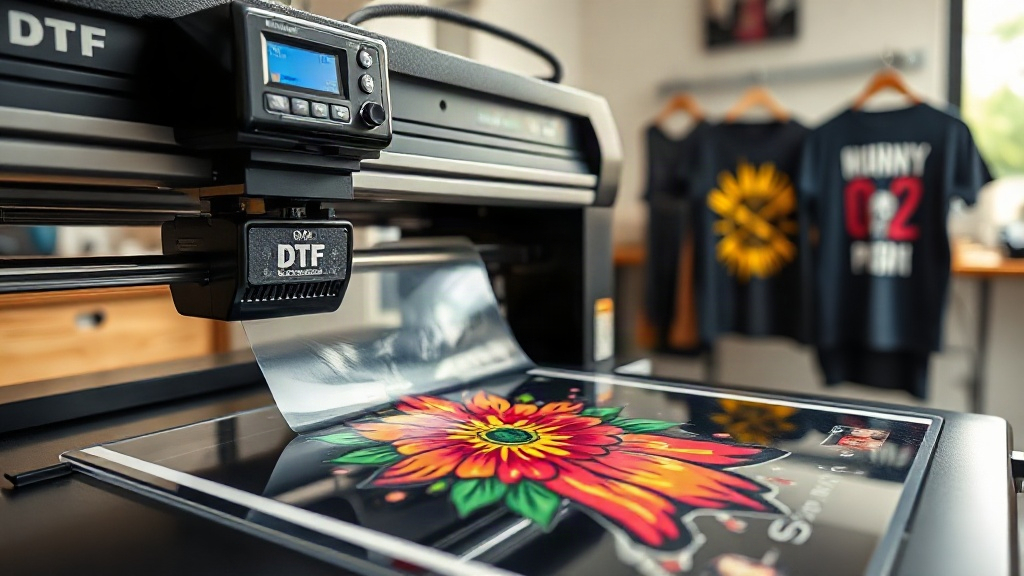
If you've been exploring custom apparel printing, you've likely encountered DTF printing. This innovative technology is rapidly gaining popularity among hobbyists and professionals alike. But what exactly is DTF, and why is it causing such a buzz? In this guide, we'll dive deep into the world of DTF printing, covering everything from the process to its benefits and practical tips. Whether you're a small business owner or a DIY enthusiast, understanding DTF can open up new possibilities for your creative projects.
What is DTF Printing?
DTF stands for Direct to Film. It's a printing method where your design is printed onto a special film, coated with adhesive powder, and then heat-pressed onto fabric. Unlike DTG (Direct to Garment) or screen printing, DTF doesn't require pre-treatment or specialized fabrics. It works on a wide range of materials, including cotton, polyester, blends, and even leather. The result is a vibrant, durable print that can stretch with the fabric without cracking.
How Does the DTF Process Work?
The DTF process involves several key steps:
- Design Preparation: Your artwork is prepared digitally, ensuring it's mirrored and sized appropriately.
- Printing: A DTF printer lays down white ink as a base, followed by CMYK inks, onto a PET film.
- Powdering: While the ink is still wet, a hot-melt adhesive powder is applied evenly over the print.
- Curing: The film is heated to melt the powder, creating a dry, tacky layer that will bond to the fabric.
- Transfer: The film is placed on the garment and heat-pressed, transferring the design permanently.
Each step requires precision, but with practice, DTF can produce stunning results.
Why Choose DTF Printing?
There are several compelling reasons to consider DTF for your next project:
- Versatility: Works on almost any fabric, including dark and light colors, without needing separate plates or screens.
- Durability: Prints are stretchable and resistant to cracking, peeling, and fading.
- Detail: High-resolution prints with fine lines and gradients are achievable.
- Cost-Effective: No minimum order quantities, making it ideal for small batches and one-offs.
- Speed: Once set up, production is fast, perfect for tight deadlines.
These advantages make DTF a favorite for custom t-shirts, hoodies, tote bags, and more.
DTF vs. Other Printing Methods
How does DTF stack up against other popular techniques? Let's compare:
DTF vs. DTG
DTG (Direct to Garment) prints directly onto the fabric, often requiring pre-treatment for dark shirts. DTF transfers from a film, eliminating pre-treatment and allowing printing on a wider range of fabrics. DTF also tends to have more vibrant colors on dark garments.
DTF vs. Screen Printing
Screen printing is cost-effective for large orders but requires separate screens for each color and is impractical for complex designs. DTF excels with detailed, multi-color designs and small runs, with no setup fees.
DTF vs. Vinyl
Heat transfer vinyl (HTV) is great for simple shapes but limited in color gradients and fine details. DTF can reproduce full-color images with photographic quality, making it superior for intricate artwork.
Getting Started with DTF Printing
Ready to try DTF? Here's what you'll need:
- DTF Printer: A dedicated printer with white ink capability. Epson conversions are popular.
- DTF Ink: Specially formulated pigment inks for DTF.
- PET Film: Transfer film designed for DTF.
- Adhesive Powder: Hot-melt powder for bonding.
- Heat Press: For transferring the design.
- RIP Software: To manage color and white ink layers.
Start with a quality printer and supplies to ensure smooth workflow.
Tips for Perfect DTF Transfers
To achieve professional results, keep these tips in mind:
- Mirror Your Design: Always print mirrored so it reads correctly after transfer.
- Control Humidity: High humidity can affect powder application; work in a dry environment.
- Test Press Settings: Each fabric may require different temperature, pressure, and time. Start with 325°F for 15 seconds, then adjust.
- Use Quality Film: Cheap film can cause ink smearing or poor release.
- Store Prints Properly: Keep unused transfers in a cool, dry place to prevent premature curing.
Common Applications of DTF Printing
DTF is incredibly versatile. Here are some popular uses:
- Custom T-Shirts: Perfect for personalized gifts, team uniforms, and promotional wear.
- Hoodies and Sweatshirts: Ideal for thick fabrics where other methods struggle.
- Tote Bags: Add vibrant designs to canvas bags.
- Activewear: Stretchy prints that move with the body.
- Denim Jackets: Create unique, detailed patches or all-over prints.
- Home Decor: Customize pillows, aprons, and more.
The possibilities are endless.
Challenges and Solutions in DTF Printing
Like any technology, DTF has its quirks. Here are common issues and how to fix them:
Ink Smearing or Clogging
This often happens due to improper printer maintenance. Regularly clean the printhead and use high-quality ink. Ensure the printer is in a dust-free environment.
Powder Not Sticking
If the powder doesn't adhere, the ink may be too dry. Check that you're applying powder immediately after printing while the ink is wet. Also, verify the powder is suitable for DTF.
Poor Transfer Adhesion
Insufficient heat, pressure, or time can cause the transfer to peel. Increase heat press settings slightly and ensure even pressure. Pre-pressing the garment to remove moisture also helps.
Color Fading After Wash
Use a quality adhesive powder and follow proper curing. Wash garments inside out in cold water and avoid harsh detergents to prolong the print's life.
DTF Printing: Is It Right for You?
If you're looking for a flexible, high-quality printing method that works on various fabrics and doesn't require large orders, DTF is an excellent choice. It's particularly beneficial for small businesses, crafters, and anyone wanting to experiment with custom apparel. While there's a learning curve, the investment in equipment and supplies pays off with stunning, durable prints.
At dtfprintme.com, we specialize in DTF supplies and equipment, helping you get started on your printing journey. Explore our range and unleash your creativity.
Frequently Asked Questions
What fabrics can I use with DTF printing?
DTF works on a wide range of fabrics, including cotton, polyester, blends, nylon, leather, and even treated wood. It's especially effective on dark and synthetic materials where other methods may struggle.
How long does a DTF print last?
With proper application and care, a DTF print can last as long as the garment itself. It resists cracking, peeling, and fading. Wash inside out in cold water and avoid bleach to maximize longevity.
Do I need special equipment for DTF printing?
Yes, you'll need a DTF printer (or a converted printer), DTF ink, PET film, adhesive powder, and a heat press. A RIP software is also recommended for color management.
Can I use DTF on dark shirts without pre-treatment?
Absolutely! One of the biggest advantages of DTF is that it doesn't require pre-treatment, even on dark garments. The white ink layer provides a bright base for vibrant colors.
Is DTF printing cost-effective for small orders?
Yes, DTF is very cost-effective for small batches and one-off designs because there are no minimum order requirements or setup fees like screen printing. You only pay for the materials you use.