
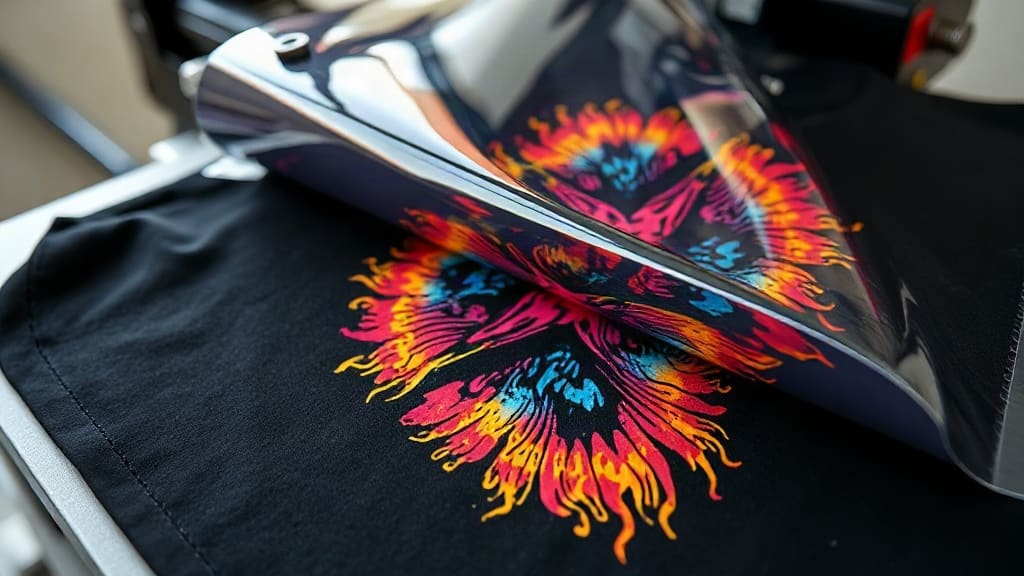
If you're in the world of custom printing, you've likely heard of DTF (Direct to Film) transfers. This technology has taken the apparel decoration industry by storm, offering a versatile and cost-effective way to produce vibrant, durable prints on a wide range of fabrics. Whether you're a seasoned printer or just starting your own business, understanding DTF transfers can open up new possibilities for your products. In this comprehensive guide, we'll dive into what DTF printing is, how it works, and why it might be the perfect solution for your next project. We'll also share practical tips for finding the best DTF transfers near me and ensuring your prints stand out.
What Are DTF Transfers?
DTF (Direct to Film) is a printing method that involves printing your design onto a special PET film, applying adhesive powder, and then heat-pressing the film onto a garment or other substrate. Unlike traditional screen printing or heat transfer vinyl, DTF allows for full-color prints with no minimum order quantities, making it an attractive option for small runs and custom orders.
The process is relatively simple: you print a mirror image of your design onto the film using a DTF printer, then coat it with a hot-melt adhesive powder. Once the powder is cured, you can store the transfer until you're ready to use it. When you need to apply it, you simply place the film on your fabric and press it with a heat press, which melts the adhesive and bonds the design to the material. The result is a soft, stretchy, and durable print that can withstand repeated washing and wear.
Why Choose DTF Transfers?
There are many reasons why DTF has become a favorite among custom apparel makers:
- Versatility: DTF transfers work on a wide range of fabrics, including cotton, polyester, blends, and even some hard surfaces like wood or metal.
- No Minimums: You can print one shirt or a thousand without worrying about setup costs, making it perfect for small businesses and print-on-demand services.
- Vibrant Colors: DTF printing uses CMYK plus white ink, so you can achieve bright, opaque colors even on dark garments.
- Soft Hand Feel: The prints have a soft, flexible texture that doesn't crack or peel easily, providing a comfortable feel reminiscent of screen printing.
- Cost-Effective: For low to medium volume orders, DTF can be more affordable than other methods, especially when you factor in labor and materials.
How DTF Printing Works: Step-by-Step
To give you a better understanding, here's an overview of the DTF process:
- Design: Create your artwork using graphic design software. Ensure it's high resolution and suitable for the size you want to print.
- Printing: Load your PET film into a DTF printer and print the design with CMYK and white inks. The white ink acts as a base layer to make colors pop, especially on dark shirts.
- Adhesive Application: While the ink is still wet, apply DTF adhesive powder over the printed area. This powder is typically applied with a shaker or an automatic powder machine.
- Curing: Pass the film through a dryer or use a heat press to melt the adhesive powder, which fuses it to the ink. This creates a tacky surface that will bond to the fabric.
- Storing: Once cured, the transfer can be stored for later use. Keep it in a cool, dry place away from direct sunlight.
- Application: When ready to apply, pre-press your garment to remove moisture and wrinkles. Place the transfer (film side up) on the fabric and press with a heat press at the recommended temperature and pressure for the specified time.
- Peeling: After pressing, peel the film away either hot or cold, depending on the type of transfer film you used. Then, your custom item is ready!
DTF Transfers vs. Other Methods
To appreciate the benefits of DTF, it's helpful to compare it with other common methods:
DTF vs. Screen Printing
Screen printing is excellent for large orders with simple designs, but it requires screens and setup, which can be costly for small runs. DTF, on the other hand, has no setup fees and is ideal for full-color designs with gradients and fine details. However, for very large quantities, screen printing may still be more cost-effective per unit.
DTF vs. Heat Transfer Vinyl (HTV)
HTV is great for simple text and shapes, but it's limited in colors and often has a thicker, plastisol-like feel. DTF can produce photorealistic images with multiple colors and a softer texture. Plus, DTF is faster for multi-color designs because you don't need to weed each color separately.
DTF vs. Sublimation
Sublimation requires polyester or polymer-coated surfaces and doesn't work well on dark or cotton fabrics. DTF works on virtually any fabric, including cotton, making it a more versatile option for many applications.
Finding the Best DTF Transfers Near Me
If you're searching for DTF transfers near me, you have a few options:
- Local Print Shops: Many screen printing and embroidery shops now offer DTF transfer services. Search online or ask around in your local business community.
- Online DTF Providers: There are numerous online companies that specialize in DTF transfers. You can upload your designs, and they'll ship you ready-to-press transfers. This is often the most convenient and affordable option, especially if you're ordering in bulk.
- DIY DTF Printing: If you have the capital and volume, you can invest in a DTF printer and make your own transfers. This gives you complete control over your printing process and can lower costs in the long run.
When choosing a provider, consider factors like print quality, turnaround time, customer reviews, and pricing. Look for companies that use high-quality inks and films to ensure durability. Many providers offer sample packs, so you can test their products before committing.
Tips for Successful DTF Printing
To get the best results from your DTF transfers, keep these tips in mind:
- Use High-Resolution Artwork: For crisp, clear prints, your design should be at least 300 DPI at the final print size.
- Pre-Press Your Garments: This removes moisture and wrinkles, helping the adhesive bond better.
- Follow Temperature and Time Guidelines: Different films and adhesives have specific requirements. Typically, you'll press at around 320°F (160°C) for 10-15 seconds with medium pressure.
- Choose the Right Peeling Method: Some films require hot peeling, while others need to cool down first. Follow the manufacturer's instructions.
- Test on Scrap Fabric: Before applying to your final product, do a test press on a scrap piece to ensure the settings are correct.
- Store Transfers Properly: Keep unused transfers in a cool, dry place to prevent the adhesive from degrading.
Common Uses of DTF Transfers
DTF transfers are incredibly versatile and can be used for:
- T-shirts, hoodies, and sweatshirts
- Polos and workwear
- Tote bags and hats
- Custom apparel for events and teams
- Personalized gifts and merchandise
- And even hard goods like mugs, mousepads, and wooden signs
Potential Challenges and How to Overcome Them
While DTF printing is straightforward, you may encounter some issues:
- Adhesive Not Sticking: Ensure you're using the correct type of adhesive powder and curing it properly. Also, check that your fabric is clean and pre-pressed.
- Faded Prints: If your prints look dull, you may need to increase the white ink layer or adjust your color profile. Also, check that your heat press is reaching the correct temperature.
- Cracking or Peeling: This often happens if the press temperature is too low or the time is too short. Make sure you're following the recommended settings and using high-quality transfers.
- Ghosting or Bleeding: To prevent this, use a Teflon sheet or parchment paper between the heat press and the transfer, and avoid moving the garment while pressing.
Frequently Asked Questions
How long do DTF transfers last?
DTF transfers are highly durable. When applied correctly and cared for properly, they can last for many washes without fading or cracking. To extend their life, wash garments inside out in cold water and avoid using harsh detergents or bleach.
Can I use DTF transfers on dark shirts?
Absolutely! One of the main advantages of DTF is its ability to print white ink as an underbase, which makes colors pop even on black or dark-colored fabrics. This is a significant benefit over sublimation, which doesn't work on dark materials.
Do I need a heat press for DTF transfers?
Yes, a heat press is essential for applying DTF transfers. You need consistent temperature and pressure to ensure the adhesive bonds properly. While a home iron might work in a pinch, it's not recommended as it can result in uneven adhesion and shorter lifespan.
Are DTF transfers eco-friendly?
DTF printing uses water-based inks and powders that are generally more environmentally friendly than traditional plastisol inks used in screen printing. However, the PET film used in the process is not biodegradable. Many companies offer recycling programs for the film, so it's worth looking into sustainable options.
What is the cost of DTF transfers?
The cost varies depending on the size, complexity, and quantity of your order. Small transfers can cost as little as a few dollars each in bulk, while larger or more intricate designs may cost more. When comparing prices, be sure to factor in shipping and any setup fees.
Conclusion
In summary, DTF transfers are a fantastic option for custom apparel printing, offering flexibility, quality, and ease of use. Whether you're a hobbyist or a professional, this method allows you to create stunning, durable prints on demand. By understanding the process, following best practices, and choosing a reliable supplier, you can elevate your products and satisfy your customers. If you're ready to start, do a quick search for DTF transfers near me or explore online providers to get started today.