
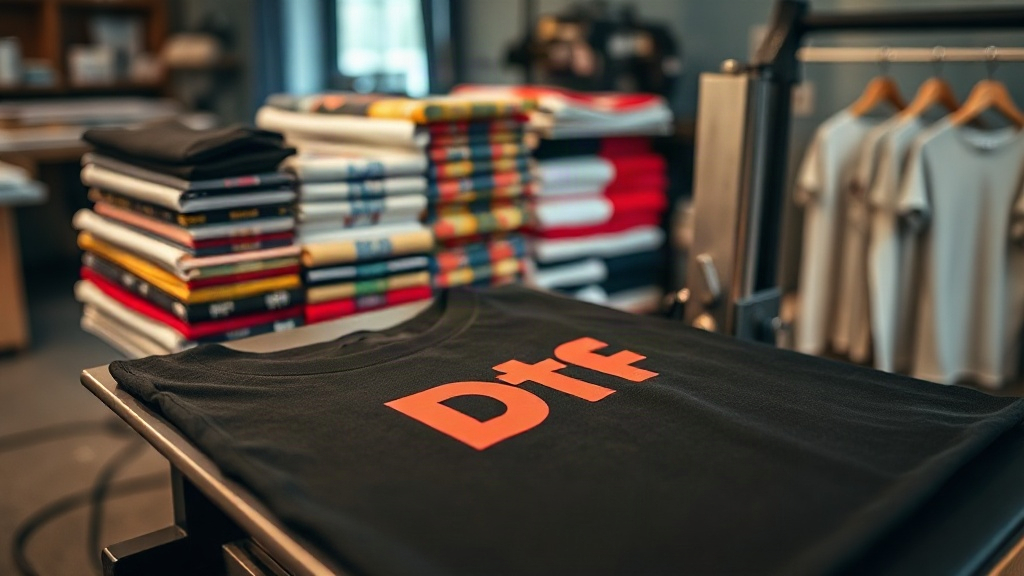
When you're creating custom apparel, the combination of DTF transfers with high-quality blank garments like Shaka Wear and Smart Blanks can elevate your designs from ordinary to extraordinary. But not all blanks are created equal, and understanding how different fabrics interact with DTF technology is key to achieving vibrant, long-lasting prints. In this guide, we'll dive deep into the nuances of applying DTF transfers to these popular blank brands, sharing practical tips and insights to help you get professional results every time.
Why DTF Transfers Are a Game-Changer for Custom Apparel
DTF (Direct to Film) transfers have revolutionized the custom apparel industry by offering a versatile, cost-effective solution for printing detailed, full-color designs on a wide range of fabrics. Unlike traditional screen printing or DTG, DTF doesn't require pre-treatment or specialized inks for different materials. The process involves printing your design onto a special film, coating it with adhesive powder, and then heat-pressing it onto the garment. This method works on cotton, polyester, blends, and even nylon, making it a go-to choice for decorators who want flexibility without sacrificing quality.
For those working with Shaka Wear and Smart Blanks, DTF transfers offer a seamless way to add intricate details, gradients, and photographic images that might be challenging with other techniques. Plus, the prints are durable, stretchable, and soft to the touch, which is essential for comfortable, wearable apparel.
Understanding Shaka Wear Blanks: Fabric and Fit
Shaka Wear has built a reputation for producing heavyweight, durable garments that appeal to streetwear brands and anyone seeking a premium feel. Their t-shirts, hoodies, and crewnecks are typically made from 100% cotton or cotton-poly blends, with weights ranging from 5.5 oz to 7.5 oz. This heavier fabric provides a substantial canvas that holds up well to repeated washing and wear.
Fabric Characteristics That Affect DTF Application
When applying DTF transfers to Shaka Wear garments, consider the following:
- Cotton content: Higher cotton percentages (like their 100% cotton tees) allow the adhesive to bond deeply, resulting in a softer hand feel and excellent wash durability.
- Fabric weight: Heavier fabrics may require slightly longer pressing times to ensure the adhesive fully cures. We recommend 15-20 seconds at 325°F with medium pressure.
- Color: DTF transfers are opaque, so they show up vividly on both light and dark colors. However, on very dark garments, a white underbase is automatically included in the film, ensuring bright colors pop.
One thing to note: Shaka Wear often uses a tighter knit, which can affect how the transfer adheres. A quick pre-press of the garment for 5-10 seconds removes moisture and wrinkles, creating a smooth surface for the transfer.
Smart Blanks: Affordable Quality Meets DTF Versatility
Smart Blanks is another popular choice for decorators, known for offering budget-friendly options without compromising on quality. Their line includes t-shirts, tank tops, and hoodies in various fabric blends, from 100% cotton to 50/50 poly-cotton. These blanks are often used for promotional events, team uniforms, and retail brands looking for cost-effective solutions.
How Smart Blanks Compare for DTF Printing
Because Smart Blanks come in a range of fabric compositions, your DTF application settings may need slight adjustments:
- 100% cotton: Similar to Shaka Wear, these require standard DTF settings (325°F, 15-20 seconds). The result is a soft, integrated feel.
- Poly-cotton blends: These may need a slightly lower temperature (300-310°F) to prevent scorching, especially if the polyester content is high. Always test with a small sample first.
- Moisture-wicking fabrics: Some Smart Blanks styles are designed for performance, which can repel adhesives. In such cases, a longer pressing time (25 seconds) and higher pressure can help.
The key with Smart Blanks is to verify the fabric content before pressing. If you're unsure, reach out to the manufacturer or check the label. A little preparation goes a long way in avoiding wasted transfers.
Step-by-Step: Applying DTF Transfers to Shaka Wear and Smart Blanks
Now that you understand the fabrics, let's walk through the application process. These steps are tailored for Shaka Wear and Smart Blanks, but they apply broadly to most garments.
- Pre-press the garment: Set your heat press to 325°F (160°C) and press for 5-10 seconds to remove wrinkles and moisture. This step is crucial for Shaka Wear's heavier fabrics, as any remaining moisture can cause the transfer to peel.
- Position the DTF transfer: Place the film with the design facing up on the garment. If you're using a transfer with a white underbase, ensure it's oriented correctly (the adhesive side should be against the fabric).
- Press the transfer: Cover with a Teflon sheet or parchment paper. Press at 325°F for 15-20 seconds with medium to firm pressure. For Smart Blanks with polyester content, reduce to 300-310°F to avoid dye migration.
- Peel the film: Wait 10-15 seconds for the transfer to cool slightly, then peel the film in a smooth, continuous motion. If any part of the design lifts, re-press for another 5-10 seconds.
- Post-press for durability: For added wash resistance, cover the design with parchment and press again for 5-10 seconds. This step is especially beneficial for Shaka Wear garments that will see heavy use.
Remember, every heat press is slightly different. Calibrate your press with a temperature gun and test on a scrap piece of fabric before running a full production batch.
Durability and Washability: What to Expect
When applied correctly, DTF transfers on Shaka Wear and Smart Blanks can withstand dozens of wash cycles without fading, cracking, or peeling. However, proper care extends the life of the print:
- Turn the garment inside out before washing.
- Use cold water and a gentle cycle.
- Avoid bleach and fabric softeners, which can degrade the adhesive.
- Tumble dry on low or hang dry.
- If ironing is needed, avoid direct heat on the print; use a pressing cloth.
With these practices, your custom apparel will maintain its professional look for years.
Design Tips for DTF on These Blanks
To make the most of your DTF transfers, consider the following design strategies:
- Use high-resolution images: DTF printing captures fine details, so start with 300 DPI files for crisp results.
- Leverage the white underbase: On dark Shaka Wear tees, the white base ensures colors remain vibrant. You can also create a distressed look by adjusting opacity in your design software.
- Avoid very thin lines: While DTF can handle detail, extremely thin lines (less than 1pt) may not adhere as well. Thicken them slightly for better durability.
- Consider the garment color: On light Smart Blanks, you can skip the white underbase for a softer feel, but colors may appear slightly muted.
Experiment with different designs on sample fabrics to see what works best for your brand.
Common Pitfalls and How to Avoid Them
Even experienced decorators run into issues. Here are some common problems when using DTF transfers on Shaka Wear and Smart Blanks, along with solutions:
- Peeling after wash: Usually caused by insufficient pressure or time. Increase pressure and ensure the adhesive is fully melted.
- Cracking: Often due to over-stretching the garment before the transfer cools. Allow the print to cool completely before stretching.
- Dull colors: May indicate too low a temperature. Verify your press temperature with a thermometer.
- Adhesive residue on film: If you see a lot of adhesive left on the film after peeling, the transfer wasn't pressed long enough. Increase time by 5 seconds.
Keeping a log of your settings for each fabric type will help you troubleshoot quickly.
Frequently Asked Questions
Can I use DTF transfers on Shaka Wear hoodies?
Absolutely. Shaka Wear hoodies are typically made from heavy cotton or cotton-poly fleece, which works well with DTF. Just be mindful of the thicker fabric; you may need to increase pressing time to 25 seconds to ensure proper adhesion. Also, pre-press the hoodie to remove any moisture from the fleece.
Do Smart Blanks require special treatment for DTF?
Not necessarily, but you should check the fabric content. For 100% cotton Smart Blanks, standard DTF settings work fine. For blends with high polyester, lower the temperature to prevent scorching and dye migration. Always test on a sample first.
How long do DTF transfers last on these garments?
With proper application and care, DTF transfers can last 50+ washes on Shaka Wear and Smart Blanks. The key is following the recommended temperature, pressure, and time, and avoiding harsh detergents.
Can I stretch the garment after applying DTF?
DTF transfers are flexible and can stretch with the fabric, but only after they have fully cooled. Stretching while hot can cause cracking. Wait at least 5 minutes after pressing before stretching or wearing.
What's the best way to store unused DTF transfers?
Store them in a cool, dry place away from direct sunlight. Keep them flat to prevent curling. Properly stored, DTF transfers can last up to 6 months without losing adhesion quality.