
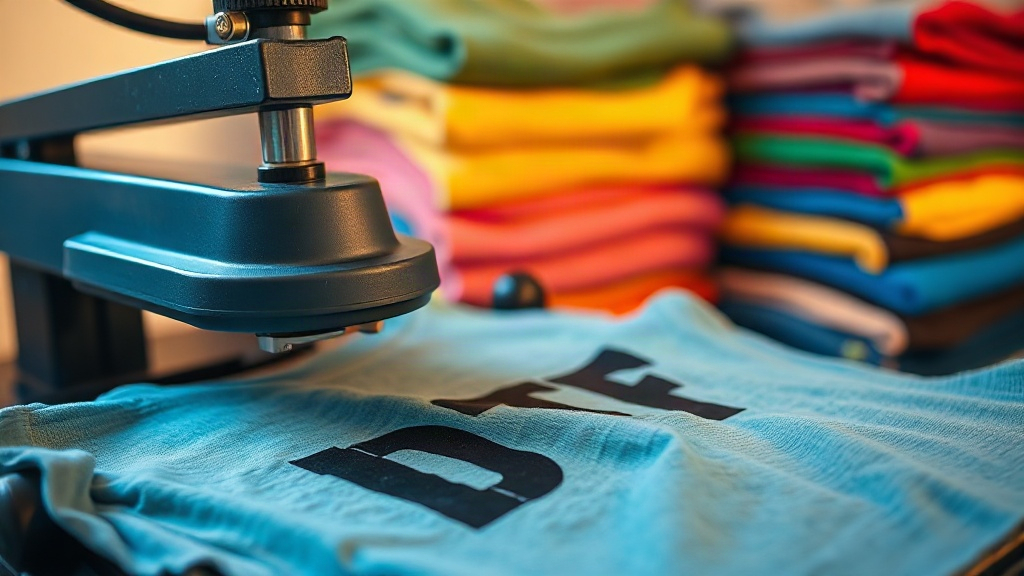
When you're creating custom apparel with DTF transfers, the garment you choose is just as important as the print itself. That's where smart blanks come in. These are not just any ordinary t-shirts; they are carefully engineered blanks designed to work seamlessly with direct-to-film printing, ensuring vibrant colors, sharp details, and long-lasting wear. In this guide, we'll explore why smart blanks are a game-changer for your DTF projects, how Shaka Wear fits into the equation, and everything you need to know to produce professional-grade apparel that your customers will love.
What Are Smart Blanks and Why Do They Matter?
Smart blanks are garments specifically manufactured with the needs of DTF printing in mind. Unlike standard blanks, they feature a unique combination of fabric composition, weave, and finish that maximizes adhesion and color vibrancy. Typically, they are made from a cotton-polyester blend, which provides the perfect surface for DTF transfers to bond firmly. The polyester content helps the transfer film release cleanly, while the cotton ensures a soft hand feel and breathability.
But why should you care? If you've ever tried applying a DTF transfer to a random blank, you might have encountered issues like cracking, fading, or poor wash durability. Smart blanks eliminate these problems by offering a consistent, reliable canvas. They are pre-shrunk, so your final product won't lose its shape after the first wash. Plus, their smooth surface means no frustrating texture interference, resulting in crisp, high-definition prints every time.
Why Shaka Wear Stands Out in the World of Smart Blanks
When it comes to smart blanks, Shaka Wear has earned a stellar reputation among DTF printers. Known for their heavyweight fabrics and superior construction, Shaka Wear garments are a favorite for both beginners and professionals. Their t-shirts, hoodies, and tank tops are crafted from premium cotton and cotton-blends that meet the criteria for smart blanks. But what truly sets Shaka Wear apart is their attention to detail: reinforced stitching, double-needle hems, and a consistent fit that customers appreciate.
Another reason Shaka Wear excels with DTF transfers is their fabric treatment. Many of their blanks undergo a special finishing process that removes impurities and creates an optimal surface for transfer adhesion. This means you can achieve a soft, stretchable print that moves with the fabric without cracking. Whether you're printing a detailed graphic or a bold logo, Shaka Wear blanks deliver exceptional results.
How to Choose the Right Smart Blank for Your DTF Project
Not all smart blanks are created equal, and selecting the right one depends on your specific needs. Here are key factors to consider:
- Fabric content: A 50/50 cotton-poly blend is ideal for DTF. Higher polyester content can make the print feel plasticky, while 100% cotton may require a special pretreatment.
- Weight: Heavier fabrics (like 5.5 oz and up) tend to hold up better and provide a premium feel. Shaka Wear offers various weights to suit different applications.
- Color: Light colors require a white underbase, but with DTF, you can print on dark colors without extra steps. However, some blanks have dye migration issues; smart blanks are treated to prevent this.
- Stretch: If you're printing on performance wear or stretchy fabrics, choose a blank with elastane for flexibility. DTF transfers can stretch with the garment if applied correctly.
Pro tip: Always request swatches or sample packs from suppliers like Shaka Wear to test before committing to a large order.
The DTF Transfer Process: From Design to Finished Product
Understanding the DTF process helps you appreciate why smart blanks are essential. Here's a quick rundown:
- Design and print: Your artwork is printed onto a special PET film using DTF inks. A white layer is applied behind the color layers to make the design opaque.
- Powder and cure: A hot-melt adhesive powder is applied to the wet ink, then the film is cured. This powder is what will bond the transfer to the fabric.
- Heat press: The transfer is placed on the garment and pressed with a heat press at around 325°F for 15-20 seconds.
- Peel and finish: After pressing, the film is peeled away (hot or cold peel depending on the film), leaving a vibrant, durable print.
Smart blanks enhance each step by providing a stable surface that allows the adhesive to penetrate deeply, resulting in a wash-resistant bond.
Common Mistakes to Avoid with DTF Transfers on Blanks
Even with smart blanks, mistakes can happen. Here are pitfalls to watch out for:
- Insufficient pressure: If the heat press pressure is too low, the transfer won't adhere properly. Always test your press with a pressure gauge.
- Wrong temperature: Too hot and you'll scorch the fabric; too cold and the adhesive won't activate. Follow the transfer manufacturer's recommendations.
- Ignoring fabric type: Not all blanks are DTF-friendly. Always verify that your blank is compatible, especially with Shaka Wear or other smart blanks.
- Skipping pre-press: Pre-pressing the garment removes moisture and wrinkles, ensuring a smooth application.
By avoiding these mistakes, you'll achieve professional results that last.
Maximizing Durability: Care Tips for DTF-Printed Apparel
To ensure your DTF transfers stand the test of time, educate your customers on proper care:
- Wait 24 hours before first wash to allow the adhesive to fully cure.
- Turn the garment inside out and wash in cold water on a gentle cycle.
- Avoid fabric softeners and bleach, which can degrade the print.
- Tumble dry on low or hang dry. High heat can cause cracking.
- Iron inside out, never directly on the print.
When paired with high-quality smart blanks like Shaka Wear, these practices will keep the print looking new for years.
Frequently Asked Questions About Smart Blanks and DTF Transfers
What exactly makes a blank "smart" for DTF printing?
A smart blank is designed with a fabric blend and finish that optimizes DTF transfer adhesion, color vibrancy, and durability. Typically, it's a cotton-poly blend with a smooth surface and pre-shrunk construction.
Can I use Shaka Wear blanks for other printing methods like screen printing or embroidery?
Absolutely. Shaka Wear blanks are versatile and work well with screen printing, embroidery, and heat transfer vinyl. Their quality construction makes them a great all-around choice.
How do I prevent the DTF transfer from cracking after washing?
Ensure proper application: use the correct temperature, pressure, and time. Also, follow care instructions like washing inside out in cold water and avoiding high heat when drying.
Are smart blanks more expensive than regular blanks?
They can be slightly more expensive due to their enhanced features, but the improved print quality and durability often justify the cost. Plus, you'll have fewer rejects, saving money in the long run.
Where can I buy smart blanks and DTF supplies?
Many online retailers specialize in DTF supplies and blanks. For Shaka Wear specifically, check their official website or authorized distributors. Always source from reputable suppliers to ensure quality.