
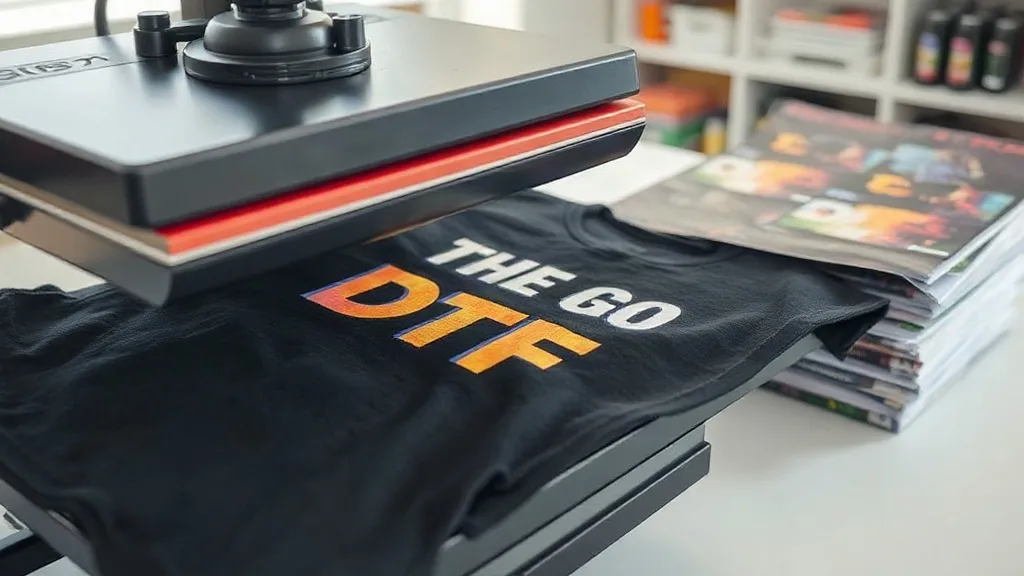
When you want to print custom designs on fabric, choosing the right method can make or break your project. dtf transfers have quickly become a favorite among crafters and professionals alike. This guide will walk you through everything you need to know about DTF transfers, from the basics to advanced tips, so you can achieve stunning results every time.
What Are DTF Transfers?
DTF stands for Direct to Film. It's a printing technique where your design is printed onto a special film, then coated with a powder adhesive and cured. The result is a transfer that can be applied to various fabrics using a heat press. Unlike other methods, DTF transfers don't require pre-treatment of the fabric and work on both light and dark materials, including cotton, polyester, and blends.
The DTF Printing Process
The process begins with a digital printer that lays down white ink as a base, followed by CMYK colors. This white layer is crucial because it allows the design to show up vividly on dark fabrics. After printing, a fine powder is applied to the wet ink, which acts as the adhesive. The film is then cured in an oven or with a heat gun. Once cured, the transfer is ready to be applied. When you're ready to use it, you simply place the transfer on your garment, cover it with a protective sheet, and press it with a heat press. After pressing, you peel off the film, leaving a soft, stretchable print.
Why Choose DTF Transfers?
There are several reasons why DTF transfers have gained popularity. First, they offer incredible versatility. You can print on almost any fabric, including those that are difficult to handle with other methods. Second, the prints are highly durable. They withstand repeated washing without cracking or fading. Third, DTF transfers allow for fine details and gradients, making them perfect for complex designs. Finally, they are cost-effective for small to medium batches, as you don't need screens or plates.
Comparison with Other Printing Methods
Compared to screen printing, DTF transfers have lower setup costs and are better for detailed, multi-color designs. Unlike vinyl, DTF transfers can handle intricate patterns without weeding. And unlike DTG, DTF works on a wider range of fabrics and doesn't require pre-treatment. Each method has its place, but DTF shines when you need flexibility and quality.
How to Apply DTF Transfers
Applying DTF transfers is straightforward, but following the right steps ensures a professional finish. Here's what you need to do:
- Prepare your workspace: Set your heat press to the recommended temperature (usually 300-325°F or 150-160°C) and preheat for a few minutes.
- Pre-press the garment: This removes moisture and wrinkles, creating a smooth surface for the transfer.
- Position the transfer: Place the DTF transfer on the garment with the printed side facing up.
- Press: Cover with a Teflon sheet or parchment paper and press for 10-15 seconds with medium pressure.
- Peel: After pressing, wait a few seconds (or until cool, depending on the film) and peel off the film. For a matte finish, peel while hot; for glossy, wait until cool.
- Post-press: For extra durability, press again for 5-10 seconds with a protective sheet.
Always test on a scrap piece first to dial in your settings. Different fabrics and films may require slight adjustments.
Common Mistakes to Avoid
Even experienced crafters can run into issues. Here are some pitfalls to watch out for:
- Insufficient pressure: Without enough pressure, the transfer won't adhere properly. Make sure your heat press is calibrated.
- Wrong temperature: Too hot and the film may melt or the ink may scorch; too cold and the adhesive won't activate.
- Skipping pre-press: Moisture in the fabric can cause the transfer to peel or bubble.
- Peeling too soon or too late: Follow the film's instructions for hot vs. cold peel to avoid damaging the design.
- Not storing transfers properly: Keep unused transfers in a cool, dry place away from direct sunlight to prevent premature curing.
Tips for Best Results
To get the most out of your dtf transfers, consider these expert tips:
- Use a quality heat press with consistent temperature and pressure. Irons and easy presses often yield inconsistent results.
- Choose the right film for your fabric. Some films are designed for stretchy materials, others for rigid.
- Experiment with layering: DTF transfers can be layered for multi-dimensional effects, but always press one layer at a time.
- Wash garments inside out in cold water and avoid bleach to extend the life of the print.
- For large orders, consider outsourcing to a professional DTF printing service to save time and ensure consistency.
Frequently Asked Questions
Can DTF transfers be used on cotton and polyester?
Yes, DTF transfers work on both cotton and polyester, as well as blends. They are especially popular for polyester because they don't require the same dye-migration precautions as some other methods.
How long do DTF transfers last?
With proper application and care, DTF transfers can last as long as the garment itself. They are resistant to cracking, peeling, and fading, even after many washes.
Do I need a special printer for DTF?
Yes, DTF printing requires a dedicated DTF printer that uses pigment inks and white ink. However, you can also purchase pre-printed transfers from suppliers if you don't want to invest in a printer.
What is the difference between DTF and DTG?
DTG (Direct to Garment) prints directly onto the fabric, while DTF prints onto a film first and then transfers to the fabric. DTF works on more fabric types and often produces more vibrant colors on dark garments.
Can I stretch DTF transfers?
Yes, DTF transfers are flexible and can stretch with the fabric without cracking, making them ideal for athletic wear and stretchy materials.
With this knowledge, you're ready to dive into the world of DTF transfers. Whether you're a hobbyist or a business owner, mastering this technique can open up a world of creative possibilities.