
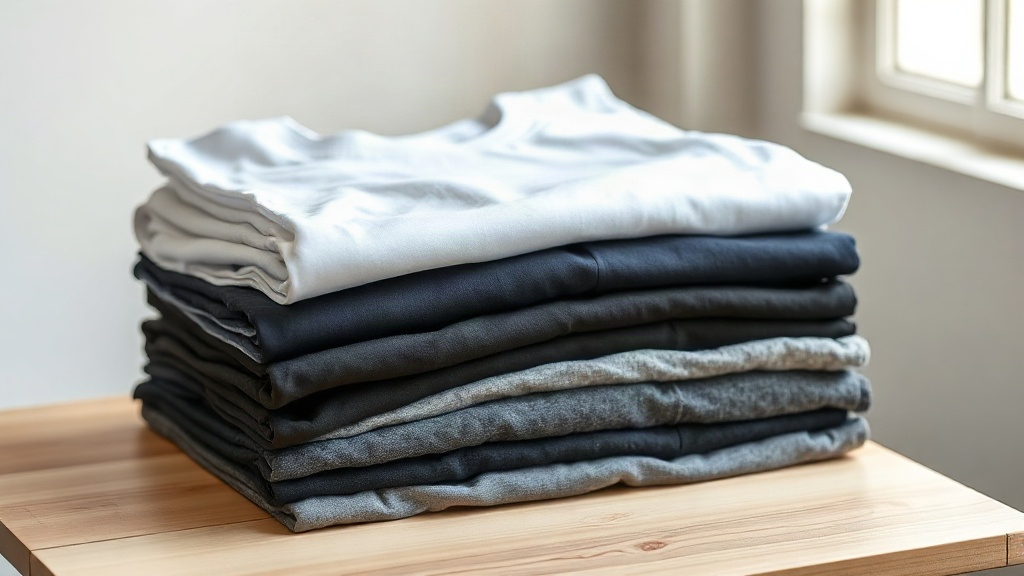
Ever pulled a custom tee from the dryer only to watch the design crack and fade? You are not alone. The culprit is often the wrong blank or the wrong transfer method. In this guide, we will show you how smart blanks and shaka wear tees combine with dtf transfers to create vibrant, durable custom apparel that survives wash after wash. Whether you are a hobbyist or running a print shop, these insights will save you time, money, and frustration.
Why Smart Blanks Are the Foundation of Great DTF Printing
Not all t-shirts are created equal, especially when you are applying dtf transfers. Smart blanks are engineered with tight-knit, smooth surfaces that allow the transfer to adhere evenly without bubbling or peeling. They also maintain their shape after multiple washes, which is crucial for keeping your design looking sharp.
What makes a blank smart? It comes down to three factors: fabric composition, weave density, and finish. A 100% cotton tee with a high thread count and a soft, ring-spun finish is ideal. Polyester blends can work, but they require lower application temperatures to avoid scorching. Smart blanks typically fall into this category, offering a reliable canvas for dtf transfers.
Another advantage of smart blanks is their colorfastness. Cheap blanks often bleed dye during the curing process, which can ruin a white transfer. Smart blanks are dyed with reactive dyes that lock in color, so your transfer stays pristine. When you invest in quality blanks, you protect your transfer investment.
Shaka Wear: A Favorite Among DTF Enthusiasts
Shaka wear has built a loyal following in the custom apparel community, and for good reason. Their tees are known for their heavyweight cotton, relaxed fit, and exceptional durability. But how do they perform with dtf transfers? Exceptionally well, if you follow the right steps.
Shaka Wear tees typically feature a tight weave that prevents the transfer from sinking into the fabric. This results in brighter colors and sharper details. The brand also offers a variety of styles, from classic crew necks to hoodies, all suitable for DTF printing. However, their heavyweight fabric requires a bit more pressure and time during application to ensure proper adhesion.
One thing to watch out for: Shaka Wear's darker colors, like black and navy, can absorb more heat. You may need to pre-press the garment to remove moisture and wrinkles before applying the transfer. This extra step ensures a smooth, professional finish.
Comparing Shaka Wear to Other Popular Blanks
How does Shaka Wear stack up against other brands like Gildan or Bella+Canvas? Here is a quick comparison:
- Shaka Wear: Heavyweight, boxy fit, excellent for streetwear and oversized looks; requires higher heat settings.
- Gildan: Affordable, lighter weight, good for budget projects; may pill over time.
- Bella+Canvas: Soft, fashion-forward fits; great for retail, but slightly less durable than Shaka Wear.
For DTF transfers, Shaka Wear's durability gives it an edge for long-lasting prints. If you want a vintage, faded look, lighter blanks might be preferable, but for vibrant, lasting designs, Shaka Wear is a top contender.
DTF Transfers: The Perfect Match for These Blanks
DTF transfers have revolutionized custom apparel because they work on almost any fabric, including cotton, polyester, and blends. Unlike vinyl or screen printing, DTF transfers don't require weeding or multiple colors. You simply print your design on a special film, apply adhesive powder, and heat press it onto the garment.
The magic happens when the transfer meets a smart blank. The powder melts into the fabric fibers, creating a mechanical bond that is flexible and stretch-resistant. On Shaka Wear tees, this bond is particularly strong due to the tight weave. The result is a print that stretches with the fabric without cracking.
But not all DTF transfers are created equal. Quality matters. Look for transfers printed with high-quality pigment inks and a consistent powder coating. Cheap transfers may have uneven powder distribution, leading to weak spots that peel after a few washes.
Step-by-Step Application on Smart Blanks and Shaka Wear
Follow these steps to get flawless results every time:
- Pre-press the garment: Set your heat press to 300°F (150°C) and press for 5-10 seconds to remove moisture and wrinkles. This is especially important for Shaka Wear's heavy cotton.
- Position the transfer: Place the DTF transfer face down on the garment. Use heat tape if needed to keep it in place.
- Press: Apply medium-heavy pressure at 300°F for 10-15 seconds. For Shaka Wear, you may need 15-20 seconds due to the fabric's density.
- Peel: Wait 5-10 seconds for the transfer to cool slightly, then peel the film off in a smooth, consistent motion. If you peel too hot, the design may stretch; too cold, and it may crack.
- Post-press: Cover the design with parchment paper or a Teflon sheet and press again for 5-10 seconds to fully embed the ink into the fabric.
This process works equally well on smart blanks and Shaka Wear. The key is to adjust time and pressure based on the fabric weight.
Common Mistakes to Avoid with DTF Transfers
Even with the best blanks and transfers, mistakes happen. Here are the most common pitfalls and how to avoid them:
- Insufficient pressure: If the transfer doesn't adhere properly, it will peel. Use a heat press, not an iron, and apply firm pressure.
- Wrong temperature: Too hot and the transfer scorches; too cold and it won't stick. Always check the transfer supplier's recommendations.
- Skipping pre-press: Moisture trapped in the fabric creates steam, which prevents proper adhesion. Always pre-press.
- Peeling too soon or too late: Follow the recommended cooling time. For most DTF transfers, a 5-10 second wait is ideal.
- Using fabric softener: Softeners leave a residue that hinders adhesion. Wash garments inside out and avoid softeners.
By avoiding these mistakes, your dtf transfers on smart blanks and shaka wear will look professional and last for years.
Frequently Asked Questions
Can I use DTF transfers on 100% polyester Shaka Wear garments?
Yes, but you need to adjust your heat press settings. Polyester is heat-sensitive, so lower the temperature to around 280°F (140°C) and reduce pressure slightly. Always test on a scrap piece first to avoid scorching.
How do smart blanks differ from regular blanks for DTF printing?
Smart blanks are designed with a tighter weave and smoother surface, which allows the DTF transfer to adhere more evenly and resist cracking. Regular blanks may have a rougher texture that can cause the transfer to lift at the edges.
What is the best way to wash a DTF-printed Shaka Wear tee?
Turn the garment inside out and wash in cold water on a gentle cycle. Avoid fabric softener and bleach. Tumble dry on low or hang dry. Following these steps will keep your print vibrant for 50+ washes.
Do I need a commercial heat press for DTF transfers?
While a commercial heat press gives the most consistent results, a high-quality home heat press can work well if it maintains even temperature and pressure. Irons are not recommended because they don't provide sufficient pressure.
How long do DTF transfers last on smart blanks?
With proper application and care, DTF transfers on smart blanks can last as long as the garment itself, often exceeding 50 washes without significant fading or cracking.
Ready to elevate your custom apparel game? Visit dtfprintme.com for premium DTF transfers and expert advice. Your perfect print is just a press away.