
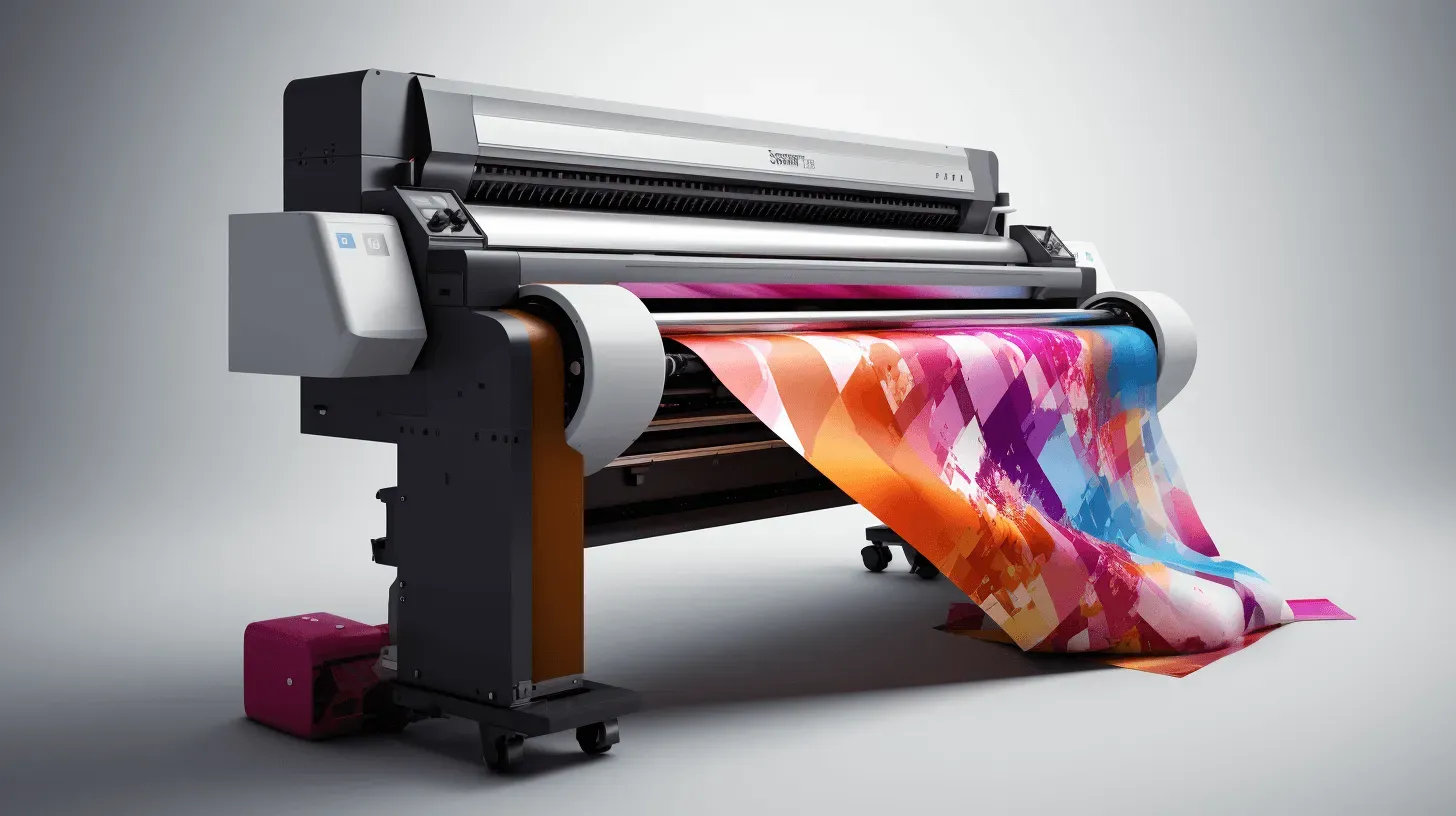
DTF printing optimization is essential for anyone looking to enhance their Direct to Film printing capabilities. This innovative printing technique has rapidly gained traction due to its ability to produce vivid graphics for textiles. However, optimizing the DTF printing process ensures you not only achieve stunning visuals but also maximize operational efficiency. By following effective DTF printing tips, you can significantly increase DTF efficiency and streamline your printing workflow. In this guide, we'll explore the best practices to elevate your quality DTF printing efforts and ultimately transform your production process.
Direct to Film (DTF) technology is revolutionizing the way businesses approach textile printing, and understanding how to optimize this process can make a remarkable difference. Many professionals use terms like DTF print enhancement or DTF efficiency improvement when discussing the steps required to maximize their output. It’s not just about producing beautiful designs; it’s crucial to implement strategic adjustments that enhance the overall DTF printing workflow. By focusing on the right techniques and resources, you can refine the DTF printing process and achieve exceptional results that resonate in your market.
Understanding the DTF Printing Process
DTF printing, or Direct to Film printing, is a revolutionary process that allows for high-quality designs to be printed directly onto a variety of substrates, primarily textiles. This method involves creating a film transfer of a design, which can then be applied to the fabric using a heat transfer press. The beauty of DTF printing lies in its versatility; it can be used on cotton, polyester, and blends, making it an ideal choice for custom apparel and promotional items. Understanding the intricacies of this process is crucial for achieving quality DTF printing that meets customer expectations.
For optimal results, the entire DTF printing workflow must be well-defined and consistently followed. From selecting the right materials and inks to adjusting printer settings, each step plays a pivotal role in the final quality of the print. When mastered, these techniques can lead to vibrant colors and durable designs, which are integral to building a successful printing business. Continuous experimentation and enhancement of each stage can yield improvements that enhance overall printing efficiency.
DTF Printing Tips for Enhanced Quality
To amplify the quality of your DTF prints, one must adhere to specific tips that elevate the standard of printed outputs. Key advice includes selecting high-quality transfer films and inks that showcase vibrant color reproduction. Brands known for their superior inks should be prioritized, as these materials are essential for achieving rich colors and long-lasting prints. Furthermore, pre-treating your films appropriately will significantly improve the adherence of inks to the substrate, resulting in clearer and more vivid designs.
Another effective tip is to regularly calibrate your printer to ensure it is operating at optimal settings. Adjustments to the ink density and resolution can lead to substantial differences in print quality. Experimenting with various settings based on the specific fabric being used also allows for customization to achieve the desired output. These practices not only improve print quality but also enhance the overall efficiency of the DTF printing process.
Increasing DTF Efficiency Through Process Optimization
Efficiency in DTF printing can be dramatically increased by streamlining your processes. One way to achieve this is by maintaining a focused workflow that minimizes idle time between steps. Using software tools for job tracking will help manage time effectively and ensure that all team members are aligned with their tasks. Furthermore, keeping necessary materials organized and accessible reduces delays and enhances overall team performance, contributing to a quicker turnaround time on orders.
Additionally, training your staff on effective workflow practices is instrumental in further increasing efficiency. Equip your team with knowledge about the DTF printing process, troubleshooting techniques, and best practices for operating machinery. A well-trained team capable of adapting to various challenges can decrease downtime and maintain quality standards, ultimately leading to higher production rates and better customer satisfaction.
Quality Control in DTF Printing
Establishing stringent quality control measures is critical in the DTF printing industry. Regularly inspecting printed materials before shipment ensures that each piece meets the desired standards of quality, preventing errors from reaching customers. Implementing a checklist for quality assessment, including checks for color accuracy, print alignment, and material defects, can significantly reduce the risks of errors and reprints that often lead to increased costs.
Moreover, creating feedback loops that incorporate quality review processes enhances the overall printing workflow. Encouraging team discussions around what works and what requires improvement fosters a culture of continuous enhancement. This proactive approach to quality control helps to uphold the brand's reputation for high-caliber DTF printing while encouraging innovation within the team.
The Importance of Regular Equipment Maintenance
Regular maintenance of DTF printing equipment is crucial for ensuring longevity and efficiency. Dust buildup and ink residue can lead to clogs in print heads, resulting in lower print quality and increased material waste. Instituting a routine maintenance schedule that includes cleaning and servicing of printers and heat presses not only enhances equipment performance but also reduces the likelihood of unexpected breakdowns during critical production times.
In addition to routine cleanings, keeping a log of equipment performance can help identify trends and potential issues early on. This documentation allows for timely interventions and ensures that all machinery operates at peak efficiency. A well-maintained setup is fundamental to achieving consistent and high-quality outputs, which is essential for optimizing the DTF printing process.
Essential Team Training for DTF Success
Investing in team training is an often-overlooked component of optimizing DTF printing operations. Comprehensive training sessions equip employees with the knowledge necessary to operate printing equipment effectively, troubleshoot common issues, and understand the nuances of the printing process. This investment not only enhances individual skill sets but also fosters a cohesive work environment where everyone works towards common goals, ultimately striving for high-quality DTF printing results.
Moreover, continuous education allows team members to stay updated with the latest advancements in DTF technology. This knowledge is invaluable as it ensures that the business adapts to changing market demands and technologies, thus maintaining a competitive edge. Emphasizing learning and development within teams contributes to improved morale and motivation, translating into better productivity and overall business success.
Frequently Asked Questions
What are some effective DTF printing tips for beginners?
For beginners looking to optimize DTF printing, it's essential to start with quality equipment and inks. Additionally, understand your printer settings and pre-treat your transfer films for improved adherence. Regular maintenance of your devices ensures smooth operation, which enhances overall DTF printing efficiency.
How can I increase DTF efficiency in my printing operation?
To increase DTF efficiency, streamline your workflow by implementing management software and training your team on best practices. Invest in high-quality inks and regularly maintain your printing equipment to minimize downtime and improve print quality. Optimizing print settings for your specific media can also significantly boost productivity.
What role do high-quality inks play in the DTF printing process?
High-quality inks are crucial in the DTF printing process as they enhance color vibrancy and reduce the number of printing passes required. This not only speeds up the printing process but also improves adherence and reduces the chances of ink smearing, leading to better final products and overall quality in DTF printing.
How can I optimize my DTF printing workflow for better results?
Optimizing your DTF printing workflow involves creating a structured process that includes software for task tracking and communication. Train your team regularly on DTF printing techniques and ensure quality control measures are in place. This holistic approach leads to more efficient operations and superior print quality.
Why is pre-treating films important in DTF printing optimization?
Pre-treating films is vital in DTF printing optimization as it improves ink adherence and enhances the transfer quality of images. Proper treatment minimizes the risk of failed prints and promotes vibrant colors, ensuring that the final output meets high-quality standards. Following manufacturing guidelines during this step is essential for optimal results.
What are the key maintenance practices for quality DTF printing?
Key maintenance practices for quality DTF printing include regularly cleaning print heads and heat presses, checking for ink clogging, and scheduling routine equipment inspections. Establishing a maintenance schedule can prolong the lifespan of your machinery and ensure consistent, high-quality output, which is crucial for successful DTF printing.
| Tip | Description |
|---|---|
| Invest in Quality Equipment | Utilize high-quality printers, heat presses, and transfer films for excellent prints. |
| Use High-Quality Inks | High-quality DTF inks enhance color vibrancy and speed up the printing process. |
| Optimize Print Settings | Fine-tune printer settings for resolution, print speed, and ink density to prevent errors. |
| Pre-Treat Your Films | Properly pre-treat transfer films for better ink adherence and reduced waste. |
| Maintain Regular Equipment Maintenance | Regular cleaning and maintenance prevent issues and ensure consistent output. |
| Implement a Workflow System | Use software tools to track jobs and streamline the DTF printing process. |
| Train Your Team | Invest in employee training for a knowledgeable team that excels in DTF printing. |
Summary
DTF printing optimization is essential for enhancing productivity and print quality in today's competitive market. By focusing on key areas such as equipment quality, ink selection, print settings, film pre-treatment, regular maintenance, workflow management, and team training, printers can significantly boost their operational efficiency. Each of these factors contributes to reducing waste, lowering production costs, and improving overall output quality. By implementing these strategies effectively, businesses can ensure a transformative impact on their DTF printing practices, leading to higher customer satisfaction and business success.