
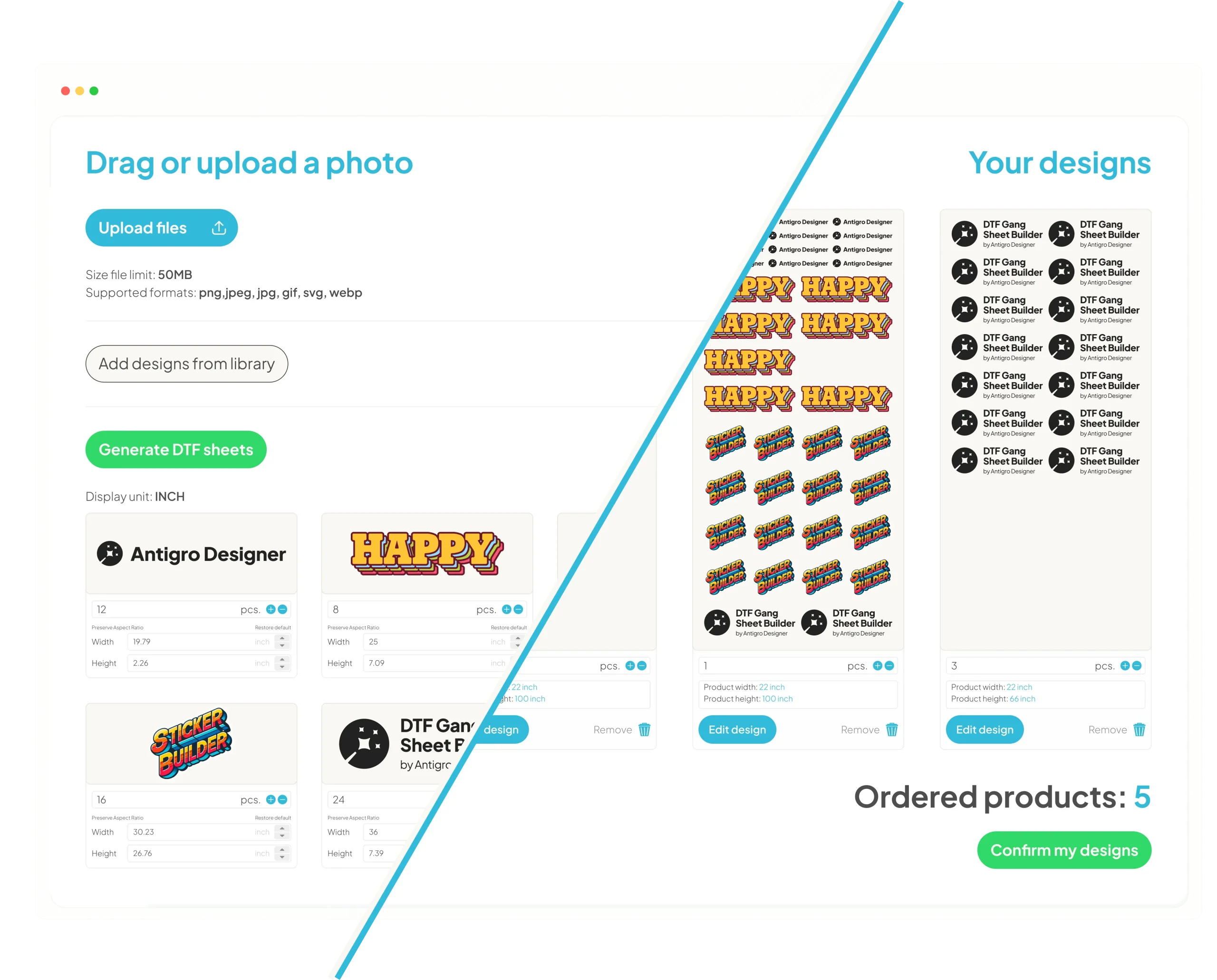
DTF gangsheet builder workflow is transforming how shops scale custom apparel by coordinating design, layout, and print into a repeatable cycle. This approach tightens production, reduces waste, and aligns with a clear plan for every order. By leveraging DTF gangsheet design principles and a streamlined DTF layout workflow, teams maximize ink use and color consistency. The process culminates in a reliable DTF printing process that feeds directly into curing and transfer steps. With a focus on DTF workflow optimization, you can scale operations, improve turnaround, and deliver high-quality transfers on diverse fabrics.
From an LSI perspective, the concept becomes a multi-design sheet production pipeline that groups artwork for efficient transfer. Think of it as a gangsheet creation workflow that pairs smart art placement with precise packing and registration planning. Other terms like transfer-friendly design strategies and print-path optimization echo the same idea—packing more designs per sheet without sacrificing accuracy. By framing the task as a consolidated printing cycle—design, layout, and post-print handling—the team can align tools, inks, and fabrics for consistent results. This approach helps brands connect related topics such as color management, documentation, and workflow efficiency while keeping production lean.
DTF gangsheet builder workflow: Designing a Repeatable Production Engine
The DTF gangsheet builder workflow unifies the design, layout, and print phases into a repeatable production engine. By treating a gangsheet as a shared canvas for multiple designs, teams can optimize ink usage, film consumption, and time. This approach aligns with the goals of DTF workflow optimization and leverages the strengths of DTF gangsheet design to scale output while maintaining quality. Integrating awareness of DTF layout workflow and DTF printing process helps ensure each batch behaves predictably.
In practice, this workflow guides teams through a cycle: design (artwork to transfer-ready files), layout (arranging designs on one sheet), and print (film, inks, curing). The repeatable cycle reduces variability between batches and supports consistent color reproduction across orders. With a documented process, you can train new staff faster and keep production steady as demand grows. This structure also supports DTF transfer design tips by considering how on-sheet designs translate to transfers.
DTF gangsheet design: Turning Artwork into Transfer-Ready Files
DTF gangsheet design centers on translating client branding into transfer-ready assets while preserving color accuracy and sharpness. From color targets to compatible color profiles, smart decisions in this stage set the foundation for successful gangsheet layouts and reliable prints. This ties directly into DTF transfer design tips, which guide how to map design elements onto a single sheet without compromising legibility or tone. Emphasize DTF gangsheet design for color fidelity, and consider how these choices feed into the DTF printing process later.
Key practices include preparing artwork for separation, choosing scalable vectors for edges, and planning for the transfer media (film, adhesive, possible effects like white underbase, foiling). By prioritizing clean separations and high-resolution source files, designers reduce misregistration and ensure the final transfers align with brand expectations. The DTF gangsheet design process should anticipate downstream layout and print needs in the DTF layout workflow.
DTF Layout Workflow: Maximizing Sheet Utilization and Minimizing Waste
DTF Layout Workflow focuses on packing more designs on a single gangsheet while preserving margins, bleed, and alignment. Grid-based planning helps maximize sheet utilization and minimize waste, which is the heart of DTF layout workflow efficiency. The layout phase is where production teams translate artistic intent into a production-ready file that printers can reproduce consistently. When executed with awareness of the DTF printing process, the layout also smooths downstream curing and handling steps.
Practical tactics include maintaining consistent margins and edge-to-edge considerations, aligning designs to machine tolerances, and generating a printable preview to catch overlaps or mis-sized elements before printing. By standardizing layouts and using alignment marks, teams can reduce rework and speed up the cycle from design to print, reinforcing the link between layout discipline and overall print quality. This is reinforced by ongoing measurements in DTF workflow optimization.
DTF Printing Process: Achieving Color Consistency on Every Batch
DTF Printing Process centers on the physical transfer from digital design to film and fabric. Selecting the right film and inks and calibrating the printer ensures color density, opacity, and transfer durability. A well-executed printing process underpins the reliability of every transfer across batches. Regular calibration and alignment with the design targets are essential for consistent results within the DTF layout workflow.
Important practices include regular printer calibration, careful management of white underbase for dark fabrics, and small test prints to verify color density and alignment. After printing, controlled curing and handling prevent smudges and ensure the final transfers perform as expected on various textiles. Integrating these steps with the broader DTF workflow optimization helps teams refine the entire cycle.
DTF Transfer Design Tips: From Concept to Transfer-Ready Files
DTF Transfer Design Tips guide how artwork translates cleanly to on-garment transfers. Focus on legible typography, color contrast, and read-through on different fabrics, while considering effects like foil or glitter that may require adjusted weight or layering. These tips help ensure the transfer design remains impactful once applied to material. Planning for the transfer film and adhesive early ties back to DTF gangsheet design decisions.
Designers should factor color targets, separation strategy, and media compatibility from the outset. By aligning with the transfer media and substrate, they reduce rework later in the workflow and maintain fidelity from screen to garment. The emphasis on practical tips helps teams produce designs that print faithfully and survive wear, aligning with DTF transfer design tips and broader DTF workflow optimization.
DTF Workflow Optimization: Metrics, Templates, and Continuous Improvement
DTF Workflow Optimization emphasizes measurement, standardization, and continuous improvement across the entire cycle. Implementing templates, checklists, and standardized file naming reduces variability and enhances predictability in turnaround times. This aligns with the goal of DTF workflow optimization to make production leaner and more scalable.
Key initiatives include tracking metrics such as cycle time, material waste, color accuracy, and defect rates; developing a library of reusable gangsheet templates; and documenting lessons learned. With an ongoing focus on training and process refinement, teams can sustain improvements and deliver consistent results across growing orders. Integrating lessons learned into the standard operating procedures closes the loop and reinforces DTF workflow optimization.
Frequently Asked Questions
How does the DTF gangsheet builder workflow improve consistency across designs in the DTF gangsheet design process?
The workflow standardizes the cycle from design to layout to print, with repeatable checks at each stage. By translating client artwork into transfer-ready files with clear color targets, scalable vectors, and alignment planning, color fidelity and placement stay consistent across batches. This reduces misregistration and rework, delivering reliable results in the DTF gangsheet design and printing steps.
What are best practices for DTF gangsheet design within the DTF gangsheet builder workflow to minimize color bleed?
Begin with color targets in the DTF gangsheet design, convert to a printer-friendly profile when needed, choose scalable vectors and high-res assets, and plan for transfer media such as white underbase where applicable. Use clear separation or a well-managed composite file to prevent misregistration during the DTF layout workflow. This keeps colors accurate and reduces bleed across designs.
How does the DTF layout workflow reduce waste in the DTF gangsheet builder workflow?
Use grid-based planning to fit multiple designs on a single gangsheet, maintain consistent margins and bleed, and align for machine tolerances with registration marks. Create a printable preview to catch overlaps before printing, which minimizes reprints and material waste in the DTF layout workflow.
What should I focus on during the DTF printing process to ensure the gangsheet output matches the design intent?
Regular printer calibration to align with design targets, careful management of ink density and white underbase, verify color and density with test prints, and ensure correct curing and handling. Consider any post-processing steps so the final transfers read correctly on fabric.
What DTF transfer design tips are most important in this workflow to improve transfer quality?
Define legible design elements and accurate color separations for the transfer film, account for white underbase on darker textiles, and anticipate effects like foil or glitter if used. Use previews and tests to verify readability and adhesion before full runs.
How can I optimize the DTF workflow optimization to scale the DTF gangsheet builder workflow across batches?
Standardize file naming and asset management, build reusable gangsheet templates, and implement checklists for each stage. Track metrics like time per stage, material waste, color accuracy, and defect rates to drive continuous improvement in DTF workflow optimization, and document lessons learned.
| Stage / Aspect | Key Points | Notes / Benefits |
|---|---|---|
| Introduction / Overview | DTF printing enables custom apparel, accessories, and promos. The DTF gangsheet builder workflow aims for a repeatable, efficient process to scale production, reduce waste, and ensure consistent results across orders. | |
| Design Stage: DTF Gangsheet Design | Turn client artwork into transfer-ready files. Establish color targets early (CMYK and spot colors as needed). Prepare for color fidelity, color profiles, and clean separation to minimize misregistration. Use scalable vectors and high-res raster elements. Plan for transfer media (foil, glitter, white underbase) to read clearly on the gangsheet. | |
| Layout Stage: DTF Layout Workflow | Arrange multiple designs on one gangsheet to maximize space and minimize waste. Consider sheet size, margins, bleed, and alignment marks. Create a printable preview and ensure consistent margins, align for machine tolerances, and use grid-based planning to optimize sheet utilization. | |
| Print Stage: DTF Printing Process | Select the right film and inks; calibrate printer regularly to maintain color targets. Manage ink density and white underbase for light/dark fabrics. Run test prints, ensure proper curing, and plan post-processing steps if needed (foil, texture). | |
| Repeat and Optimize: A Repeatable, Scalable Workflow | Turn a successful print into a repeatable engine. Standardize file naming, use checklists, track key metrics (time, waste, color accuracy, defects), build a library of reusable gangsheet templates, and document lessons learned for continuous improvement. | |
| Practical Tips | Pilot runs to validate designs, balance creativity with feasibility, build quality controls, align with client expectations, and invest in operator training to reduce waste and improve results. | |
| Case in Point: Simple, Real-World Workflow | Example: design, layout, test gangsheet, adjust white underbase, then run full batch, cure, and apply transfers. If a design fails to meet standards, revise and re-run to illustrate the iterative, repeatable nature of the workflow. |