
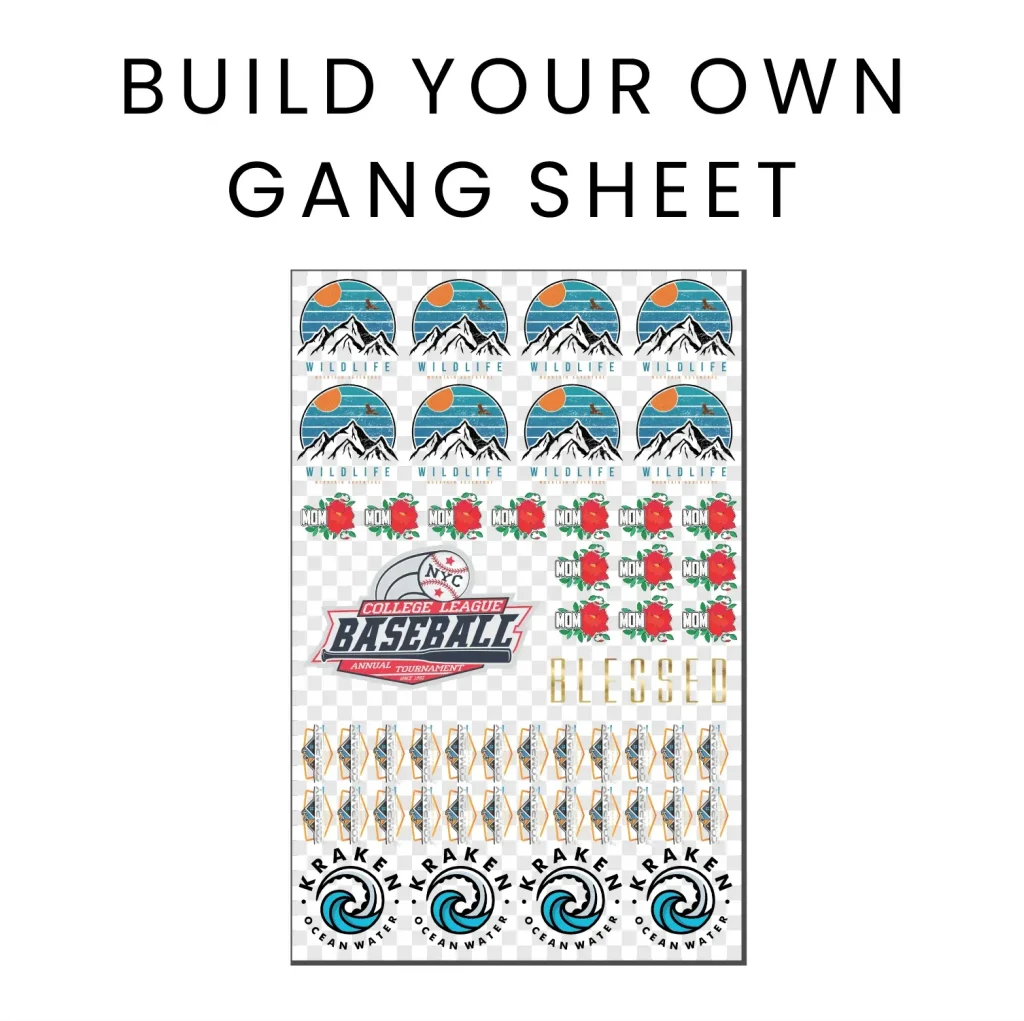
DTF Gangsheet Builder is reshaping how studios approach fabric printing by condensing multiple designs into one efficient gangsheet. This SEO-friendly tool streamlines the DTF printing workflow, helping you manage color, margins, and layouts with precision. By following gangsheet design best practices, you minimize waste and ensure consistent results across garments and materials. It supports planning for DTF transfer sheets and other consumables, reducing setup time and speeding up digital textile printing. From batch layout to quality checks, this tool remains a practical solution for any fabric printing project.
In broader terms, this planning tool acts as a batch-layout engine for direct-to-film projects, coordinating artwork so margins and alignment stay consistent across dozens of designs. By reusing layout blocks and color presets, studios accelerate print preparation and reduce waste, improving throughput on the production floor. The approach fits within a digital textile printing framework, linking design intent with fabric types, transfer sheet choices, and color management. Viewed this way, the tool becomes a production partner that helps teams scale while preserving image fidelity and finish quality.
Frequently Asked Questions
What is the DTF Gangsheet Builder and how does it fit into the DTF printing workflow?
The DTF Gangsheet Builder is a software guided workflow that arranges multiple graphics on a single gangsheet before transfer. It integrates into the DTF printing workflow by batch layouting designs, reducing setup time, and enforcing consistent margins and color placement, in line with gangsheet design best practices for fabric printing.
How does the DTF Gangsheet Builder support gangsheet design best practices?
It helps plan color separations, maintain safe zones, ensure consistent scale and orientation, optimize file sizes, and test layouts on representative fabrics. These features align with gangsheet design best practices to deliver reliable fabric printing results.
What should you consider about DTF transfer sheets and materials when using the DTF Gangsheet Builder?
The builder can guide sheet size compatibility, consider thermal and adhesive properties, and inform curing and finishing steps. This supports careful selection of DTF transfer sheets for various fabrics in fabric printing and digital textile printing.
How do you prepare artwork and define sheet parameters with the DTF Gangsheet Builder?
Gather designs and verify color spaces before starting. Set gangsheet dimensions, margins, bleed, and how many designs fit per sheet. Place each artwork, apply color checks, validate the layout, export the printer ready file, and then print.
How does color management work in the DTF Gangsheet Builder to ensure consistency across orders?
The tool preserves color intent across designs, reduces color shifts during transfer, and aligns with printer profiles used in digital textile printing. This leads to more consistent color reproduction across fabrics and orders.
What are common issues and how can you troubleshoot and optimize performance with the DTF Gangsheet Builder?
Common issues include misregistration, color drift, and edge artifacts. Solve these by rechecking alignment and calibration, revisiting color management and transfer sheet heat settings, increasing safe zones for bleed, and splitting very large gang sheets into multiple layouts. Ensure RIP compatibility and perform quick validation before printing.
| Topic | Key Points |
|---|---|
| What is a DTF Gangsheet Builder |
|
| Why this matters for your DTF printing workflow |
|
| Key features that drive efficiency |
|
| Step-by-step guide to building an efficient gang sheet |
|
| Design best practices for gang sheets |
|
| DTF transfer sheets and materials: what to consider |
|
| Workflow integration and automation |
|
| Troubleshooting and optimization tips |
|
| Real-world considerations: scaling with digital textile printing |
|
Summary
Conclusion: The DTF Gangsheet Builder is a powerful tool that consolidates multiple designs onto a single gangsheet to streamline DTF printing workflows. By improving layout consistency, color management, and material efficiency, it helps studios scale operations while maintaining high-quality results. Embracing the DTF Gangsheet Builder enables faster turnaround, reduced waste, and greater predictability across orders, making it an essential part of modern fabric printing efficiency.

