
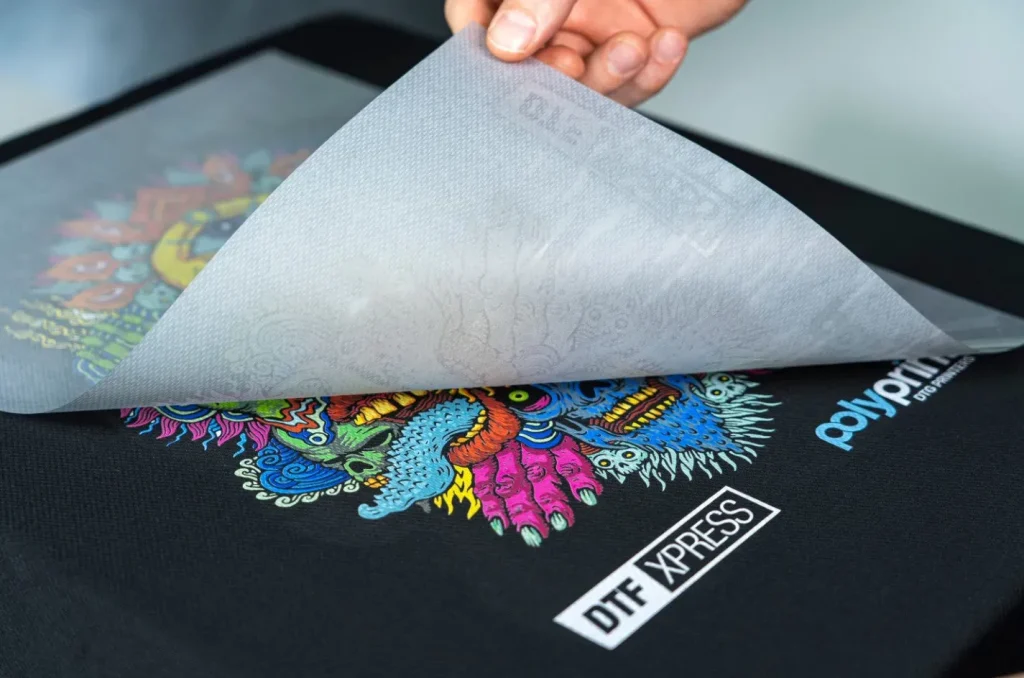
DTF on Fabrics is a popular printing method that delivers vibrant images directly onto textile surfaces, offering strong color reproduction, durability, and versatility across a range of fabrics, from athletic wear to fashion textiles and home decor. This introductory guide highlights DTF bleed control on fabrics and robust color management to minimize edge gaps and color shifting during transfer, while also outlining practical checks for production-ready files. You will also learn about DTF printing curves management to keep curves printer-friendly and avoid micro-bridges that affect edge sharpness, while strategies for smoothing vectors support robust transfer across different inks. By focusing on DTF setup best practices and careful fabric selection—Fabrics for DTF printing—you can achieve reliable results on cotton, polyester, blends, and specialty textiles, while maintaining batch-to-batch color consistency and minimizing waste. Finally, emphasize DTF text legibility on textiles by using readable fonts, appropriate sizing, and contrast strategies to preserve legibility after heating and adhesion, ensuring that logos and messaging remain clear on every product.
Alternative terms for the same practice include digital fabric transfer, film-based textile printing, and color-accurate transfer on apparel materials, all of which align with the underlying technique. The concept can be described as a print-on-film workflow that bonds ink to fibers through heat and pressure, yielding vivid imagery with a soft hand. From an information architecture perspective, these LSI-friendly terms help search engines connect related topics such as color management, prepress, and heat-press processes to DTF-style workflows. By framing the method in these related terms, readers can explore the same set of practices from different angles and apply them to cotton, blends, or synthetics in a practical, scalable way.
DTF on Fabrics: Core Principles for Color, Bleed, and Durability
DTF on Fabrics is a versatile method that delivers vibrant images directly onto textile surfaces. By understanding the core principles—color reproduction, adhesion, and wash durability—you can optimize your workflow and achieve consistent results across a range of fabrics. This approach anchors your process in reliable transfer behavior, ensuring that colors stay true from screen to fabric.
To build a solid foundation, you must integrate bleed-aware design and fabric-aware color strategies. Bleed helps eliminate white edge gaps when the transfer is trimmed or shifted during pressing, making DTF bleed control on fabrics a practical requirement. Calibrated color profiles, tested on representative fabrics, help preserve the intended hue identity across cotton, polyester, and blends, reinforcing the importance of DTF on Fabrics as the central theme of your setup.
Bleed and Color Accuracy in DTF on Fabrics
Bleed is not just a design nicety; it is a safeguard that prevents visible gaps if the material shifts during transfer. Incorporating bleed into the design file and aligning it with your RIP workflow reduces the risk of jagged edges and white halos, which is a fundamental aspect of DTF bleed control on fabrics.
Color accuracy follows bleed, with careful calibration of ICC profiles and soft proofs tailored to each fabric category. A robust prepress phase that includes fabric-specific tests helps you anticipate hue shifts between cotton, polyester, and blends, ensuring that the final print remains faithful to the original artwork. Documenting embellishment values and process steps supports repeatability across batches in line with Fabrics for DTF printing.
DTF Printing Curves Management: Designing for Smooth Transfers
Curves are essential for logos and icons but can challenge transfer stability if not planned properly. DTF printing curves management focuses on curve geometry that remains printer-friendly and resilient under heat and tension. Favor rounded corners and wider curves to minimize micro-bridges and ink buildup that can distort edges.
For small radii or text-heavy areas, simplify vector paths and adjust curve transitions to preserve coverage at the edges. Adding a touch of bleed in curved regions can help maintain edge crispness after pressing. Mastery of DTF printing curves management reduces registration errors and preserves color depth across diverse fabrics.
DTF Text Legibility on Textiles: Typography, Contrast, and Edge Crispness
Text legibility on textiles hinges on clear letterforms, appropriate sizing, and strong contrast. DTF text legibility on textiles guides you to choose minimum font sizes that stay readable after the adhesive layer and fabric texture are added, while subtle outlines or bolder weights can improve readability.
Font choice matters as much as color. Sans serif fonts with open counters often perform well on textiles, whereas script or condensed type may require size or weight adjustments. Consider a light bleed around bold typographic elements to help maintain edge sharpness after transfer, ensuring that messages remain legible from the intended viewing distance.
DTF Setup Best Practices for Consistent Results Across Fabrics
A reliable workflow starts with a strong prepress and setup phase. DTF setup best practices emphasize clean vector or bitmap art, proper bleed, and a validation run on representative fabric swatches to verify color accuracy and edge sharpness before full production.
Calibration and process documentation are essential. Use a repeatable RIP workflow, consistent ink densities, and precise transfer temperature and timing to minimize variation between cotton, polyester, and blends. Recording successful parameter sets for different fabrics and artwork styles supports scalable production with predictable results.
Fabrics for DTF Printing: Selecting Substrates and Pretreat Considerations
The choice of fabric drives ink behavior, texture, and color reproduction. Cotton and cotton blends often accept inks more uniformly, while polyester and poly blends may reveal different absorption rates and surface textures. Align your fabric selection with your design goals and end-use conditions to maximize print quality.
Pretreat and finishing steps significantly influence bleed performance and text legibility. Fabrics with higher absorbency may require adjusted ink mass or white base opacity, while glossy poly fabrics may benefit from a firmer adhesive layer and extended heat-press time. Document these variations to support consistent DTF setup best practices across orders and reinforce the broader concept of Fabrics for DTF printing.
Frequently Asked Questions
What is DTF bleed control on fabrics and why does it matter for color accuracy across cotton and polyester?
DTF bleed control on fabrics is the practice of extending color beyond the final trim line to prevent white gaps if the fabric shifts during transfer. Include a bleed area in your design (a few millimeters), use fabric-specific ICC profiles, and run small test prints to verify color and edge sharpness. Proper bleed helps maintain consistent color identity when printing on cotton, polyester, or blends in DTF on Fabrics.
How does DTF printing curves management help prevent edge artifacts on different fabrics?
DTF printing curves management shapes curve geometry to print cleanly and transfer reliably. Avoid extremely tight curves and micro-bridges; prefer rounded corners and smoother vector paths. For text-heavy or small curved features, simplify curves and allow a slight bleed in curved regions to preserve coverage, reducing edge jaggedness across fabrics in DTF on Fabrics.
What factors influence DTF text legibility on textiles and how can you optimize font choice and contrast?
DTF text legibility on textiles depends on font size, stroke weight, and contrast after the adhesive layer and fabric texture. Choose clear sans‑serif fonts, apply moderate font sizes, and consider subtle outlines or bolder weights to improve readability. Ensure high contrast (dark ink on light fabrics or light ink on dark fabrics) and, if needed, add a small bleed around bold letters to keep edges crisp in DTF on Fabrics.
What are the best practices for DTF setup best practices when starting a new fabric type?
DTF setup best practices for a new fabric type include establishing fabric-specific color profiles, calibrating ink density and white base strength, and validating transfer temperature and press time with small test runs. Maintain a documented workflow for alignment, adhesive dwell, and RIP settings to ensure repeatable results across orders in DTF on Fabrics.
Which Fabrics for DTF printing are best suited for vibrant transfers and durability?
Fabrics for DTF printing vary in absorbency and texture. Cotton and cotton blends typically ink well, while polyester and poly blends may require adjusted ink mass and a firmer adhesive layer. Document fabric specs and pretreat needs to select fabrics for DTF printing that balance vibrancy, edge sharpness, and wash durability.
How should I structure a prepress workflow to support DTF on Fabrics quality?
A solid prepress workflow for DTF on Fabrics starts with a clean design including bleed, confirm color values and line weights, and build a fabric-aware proof. Print small swatches to verify bleed, curves, and text legibility before a full run, then lock in RIP and color settings for each fabric to ensure reliable results.
| Section | Key Points |
|---|---|
| Introduction | DTF on Fabrics is a vibrant textile printing method delivering strong color reproduction, durability, and flexibility; anchors this guide with bleed control, curves handling, and text legibility. |
| Bleed and color management | Bleed extends color beyond the trim to prevent white gaps; design with bleed; calibrate ICC profiles and RIP; adjust for fabric absorbency; test with fabric swatches; document values for repeatable color. |
| Curves and shapes | Plan printer-friendly curve geometry; avoid extremely tight curves; prefer rounded corners; simplify curves for text-heavy designs; adjust curvature radius; add small bleeds in curved regions to preserve coverage. |
| Text legibility | Preserve readability with appropriate font sizes; use subtle outlines or bold weights; ensure contrast with the fabric; prefer clear sans serif; consider bleed around bold elements to keep edges crisp. |
| Fabric types and pretreat considerations | Cotton and blends absorb inks more uniformly; polyester and blends vary; pretreat affects bleed and legibility; adjust ink mass and adhesive needs; document fabric considerations for consistent workflows. |
| Prepress workflow and test prints | Use clean files with bleed; verify color values, line weights, and text; build a fabric-aware palette; run small tests on actual fabric swatches; check bleed, curves, and readability and alignment. |
| Print execution and heat transfer | Keep consistent parameters per fabric (density, white base, temperature, press time); apply even pressure; avoid sliding; adjust profile if halos or misregistration occur. |
| Quality control, finishing and ongoing optimization | Embed QC at every stage; verify bleed, curve integrity, and text legibility after washing; collect feedback; optimize color profiling and underbase; document successful parameter sets. |
| Common pitfalls and troubleshooting tips | Issues include insufficient bleed, jagged curves, and faint text; address by revisiting bleed, smoothing curves, and adjusting font weights; verify color management and fabric type in RIP; check alignment and cure times; document recurring issues. |
Summary
DTF on Fabrics delivers vibrant color reproduction and durable transfers across a wide range of textiles. This descriptive conclusion emphasizes the importance of bleed control, curves handling, and text legibility, along with fabric-aware prepress, heat transfer, and quality control to achieve consistent results across cotton, polyester, blends, and specialty fabrics. By applying disciplined workflow practices, ongoing testing, and clear documentation, you can produce reliable, high-quality DTF on Fabrics prints that stand out in the market while maintaining efficiency.