
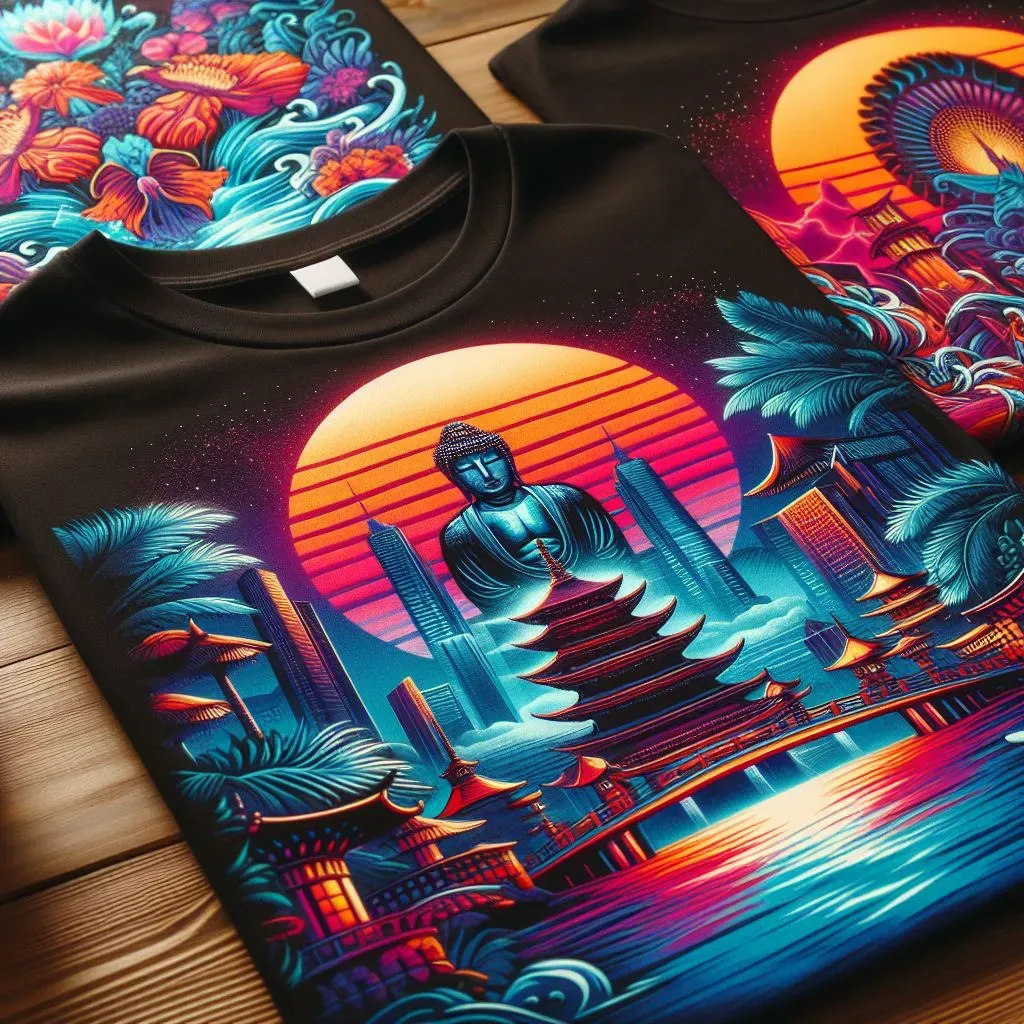
Vibrant colors DTF transfers have emerged as a game-changer in the world of fabric printing, particularly when it comes to apparel made from dark materials. This innovative DTF transfer technique utilizes specialized inks and films to achieve stunning, eye-catching designs that truly stand out. Whether you're a seasoned professional or just starting, understanding the ins and outs of printing on dark fabrics can elevate your creative projects. This guide will provide you with essential tips and best practices to harness the full potential of vibrant DTF designs, ensuring your creations capture attention and maintain their brilliance over time. With the right heat transfer settings and quality materials, you can transform any fabric into a canvas of vibrant colors that resonate with your audience.
Direct-to-Film (DTF) transfers have redefined fabric printing, especially for darker textiles that require special handling for vibrant output. This method, known for its ability to replicate intricate designs with striking clarity, allows creators to produce unique garments that cater to diverse tastes. By utilizing premium DTF inks paired with the correct materials, users can achieve remarkable effects and longevity in their prints. This article will explore techniques and insider tips to optimize your DTF process, focusing on the crucial aspects that contribute to the richness of colors on dark fabrics. Layering colors strategically and adjusting heat settings are just some of the ways you can ensure your creations remain vivid and captivating.
Maximizing Vibrancy with DTF Transfers
Achieving maximum vibrancy in DTF transfers starts with selecting the right materials, particularly the DTF inks. Quality inks are paramount because they determine how colors will translate when printed. Opt for pigment-based inks specifically recommended for DTF transfers; these are formulated to provide opacity and brilliance on dark fabrics. Additionally, ensuring that your adhesive powder is compatible with your ink will enhance the transfer's color richness and durability. This initial selection will set the foundation for your vibrant designs.
Moreover, understanding the application technique plays a critical role in achieving vibrant results. The application method—whether through heat press or another technique—requires careful attention to temperature and pressure settings. For vibrant colors to set properly, the recommended temperature is between 320-350°F, coupled with a pressing time of about 10-15 seconds. Adjusting these settings according to fabric type and thickness can significantly impact the final vibrancy of the design.
Essential Materials for DTF Printing
To create outstanding DTF transfers, it's crucial to start with high-quality materials. The transfer film you select should be designed specifically for DTF applications; this helps ensure that the ink adheres well and the vibrancy of colors is preserved during the heat pressing process. Using subpar films can lead to dull results and may not withstand repeated washes.
In addition to quality transfer films, using premium DTF inks is vital. These inks not only provide vibrant colors but also ensure that designs are sharp and detailed when transferred onto dark fabrics. It's also worth mentioning that a white underbase serves as a critical layer when printing on dark materials, as it allows the top colors to shine brightly against a dark background.
Pre-Treatment for Optimal Results
Before applying DTF transfers, pre-treating dark fabrics is essential for achieving optimal results. Pre-treatment improves the ink's adherence to the fabric, which directly affects the vibrancy and longevity of the colors. This step often involves cleaning the fabric thoroughly and ensuring it is free from any dirt or oils that could impact adhesion.
Effective pre-treatment can also enhance the overall texture of prints on dark fabrics. By creating a more receptive surface, inks can penetrate better, leading to crisper designs. Skipping this step may result in less saturated colors and designs that appear faded over time, especially after multiple washes.
Perfecting Heat Transfer Settings
Heating settings are crucial for maximizing the effectiveness of DTF transfers, particularly on dark fabrics. Each fabric type may require slightly different settings, but generally, maintaining a temperature range of 320-350°F is advisable. Adhering to this temperature ensures that the adhesive fully melts and binds the ink to the fabric, which directly contributes to how vibrant and enduring the colors will appear.
Creating the right pressure during the heat transfer process also plays a significant role. Applying medium to firm pressure helps drive the ink into the fabric fibers, allowing for better ink adhesion. This practice minimizes the chances of peeling or fading, crucial for maintaining vibrant designs over time.
Color Considerations for Dark Fabrics
When designing for dark fabrics, it’s essential to consider color layers, particularly the application of a white underbase. This layer not only enhances color opacity but also acts as a barrier, ensuring that the top colors remain bright and vivid. Without a white underbase, darker backgrounds can mute and dull colors, leading to disappointing outcomes.
Additionally, using design software like Adobe Illustrator or CorelDRAW to adjust saturation levels and preview prints can help anticipate how colors will appear once transferred. This preparation may involve tweaking designs to ensure they align with the desired vibrancy and detail, particularly when the aim is to produce standout apparel or crafted items.
Post-Pressing Care for Longevity
After successfully applying DTF transfers, the next step is ensuring they survive the test of time through proper care. Allowing the transfer to cure completely before washing can help maintain vibrant colors. This curing process ensures that the adhesive bonds firmly with the fabric, reducing the risk of peeling during subsequent washes.
In terms of washing, it is recommended to use cold water and avoid harsh detergents or bleach. This approach conserves the vibrancy of the colors and prolongs the life of the fabrics. Following proper care instructions fosters an environment where your vibrant DTF designs can stay fresh and continue making an impact over time.
Frequently Asked Questions
How does the DTF transfer technique work to achieve vibrant colors on dark fabrics?
The DTF transfer technique works by printing designs onto a specially coated film using high-quality DTF inks. This film is then heat-pressed onto dark fabrics, allowing for vibrant colors to pop even against challenging backgrounds. The key to achieving striking results lies in the right combination of transfer film, inks, and heat application.
What types of DTF inks are best for vibrant DTF designs on dark fabrics?
For the best vibrant DTF designs on dark fabrics, opt for high-quality pigment-based DTF inks. These inks provide rich, opaque colors that stand out beautifully against darker materials, enhancing detail and overall visual impact.
What are the critical heat transfer settings for achieving vibrant colors with DTF transfers on dark fabrics?
To achieve vibrant colors with DTF transfers on dark fabrics, it's crucial to use the right heat transfer settings. Recommended settings include a temperature of 320-350°F (160-180°C) and a pressing duration of 10-15 seconds, ensuring proper fusion and color vibrancy.
Why is a white underbase necessary for vibrant DTF transfers on dark fabrics?
A white underbase is essential for vibrant DTF transfers on dark fabrics as it creates a solid foundation for the top colors, allowing them to appear bright and vivid. Without this underbase, darker fabrics can absorb and dull the colors of the print.
What pre-treatment is necessary for dark fabrics before applying vibrant DTF transfers?
Before applying vibrant DTF transfers, dark fabrics typically require a pre-treatment to improve ink adherence, resulting in enhanced color vibrancy and durability. This preparation step is critical for achieving the best visual results and ensuring longevity.
How should you care for vibrant DTF transfers on dark fabrics after pressing?
To maintain the vibrancy of DTF transfers on dark fabrics, allow the transfers to cure thoroughly and follow recommended care guidelines, such as washing in cold water and avoiding bleach, to prevent fading and protect the integrity of the design.
| Key Points | Details |
|---|---|
| Introduction to DTF Transfers | DTF transfers successfully print on dark fabrics, overcoming traditional challenges. |
| Materials Needed | High-quality transfer film, DTF inks, and adhesive powder are essential for vibrant output. |
| Pre-Treatment of Fabrics | Pre-treatment enhances ink adherence and color durability on dark fabrics. |
| Heat Transfer Settings | Ideal settings are around 320-350°F for 10-15 seconds with medium to firm pressure. |
| Color and Design | Use a white underbase to ensure top colors remain bright on dark materials. |
| Post-Pressing Care | Curing transfers and washing in cold water helps maintain vibrancy. |
| Recent Innovations | New advancements improve color accuracy, adhesion, and print speed for DTF. |
Summary
Vibrant colors DTF transfers on dark fabrics are not just an aesthetic choice; they represent a significant advancement in printing technology. By utilizing the right materials and procedures, artists and designers can achieve stunning results. The process involves careful selection of transfer films, high-quality inks, and precise heat settings, all crucial for ensuring designs stand out against darker backgrounds. The use of a white underbase enhances color vibrancy, while post-press care ensures longevity. With continuous innovations in DTF technology, achieving professional, eye-catching prints has never been easier. Embrace the vibrant possibilities of DTF transfers and elevate your fabric printing to new heights!