
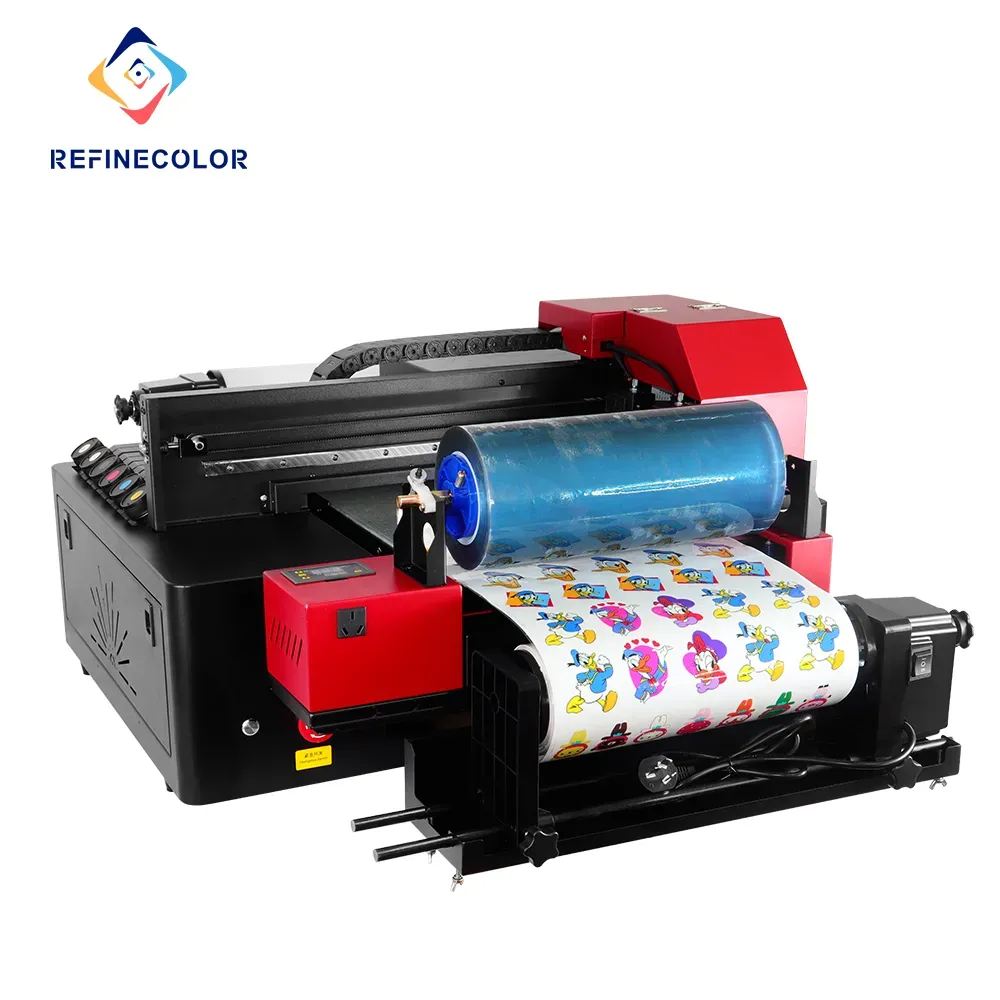
UV DTF, or Ultraviolet Direct-to-Film, is at the forefront of a printing revolution that is reshaping industries worldwide. This groundbreaking UV printing technology leverages ultraviolet light to cure inks onto film surfaces, leading to vibrant colors and incredible detail that traditional methods simply cannot match. As the demand for custom apparel printing increases, UV DTF stands out as an optimal choice for its speed and efficiency, allowing businesses to meet tight deadlines without sacrificing quality. Furthermore, this eco-friendly printing method minimizes harmful emissions, making it a responsible option for sustainability-conscious companies. With durable prints that are resistant to wear and fading, UV DTF is poised to change the game across textiles, packaging, and promotional items in a rapidly evolving market.
Known alternatively as Ultraviolet Direct-to-Film, UV DTF technology represents a significant advancement in printing processes designed for modern applications. This method utilizes ultraviolet light to cure inks, making it a preferred choice for industries requiring fast turnaround times alongside exceptional print quality. Businesses looking for innovative ways to enhance their custom apparel solutions or packaging designs can benefit greatly from adopting this direct-to-film printing technique. Emphasizing eco-friendly solutions, UV DTF merges high-definition graphics with durable outputs, ensuring that prints maintain their integrity in various environments. As more industries embrace this method, understanding its benefits will be crucial for staying competitive.
The Mechanics of UV DTF Printing
UV DTF printing revolutionizes the way designs are transferred onto various substrates. At its core, it employs specialized UV-sensitive inks that are precisely applied onto a film. This film is then exposed to ultraviolet light, which triggers an instantaneous curing process. The speed at which the ink cures is significantly faster than traditional methods, allowing for a seamless transition from design creation to finished product. This effectiveness not only enhances workflow efficiency but also enables businesses to tackle larger orders with stringent deadlines, making it a preferred choice for those in the fast-paced world of printing.
The mechanics behind UV DTF also allow for intricate detail and vibrant color reproduction. The technology's capability to showcase high-definition graphics means that even the most complex designs can be rendered with accuracy. Furthermore, due to the ink's rapid curing process, multiple layers can be applied without running the risk of smudging, ultimately resulting in a visually stunning final product. This precision is a marked improvement over conventional direct printing options, underscoring UV DTF's standing as a cutting-edge solution in the printing landscape.
A significant aspect that differentiates UV DTF from other printing methods is its versatility in substrate usage. Businesses can utilize this technology on various materials such as textiles, plastics, and metals, broadening the scope for creative applications. Whether it's custom apparel printing or unique promotional items, UV DTF fits diverse operational needs, enabling businesses to cater to a wider audience. The flexibility this technology offers aligns seamlessly with the demands of modern consumers who seek personalized products.
In summary, the mechanics of UV DTF printing champion speed, efficiency, and versatility. This combination is essential for modern businesses striving for excellence in product quality and design capability, thereby pushing the boundaries of what can be achieved in the printing industry.
Benefits of Choosing UV DTF for Your Business
Adopting UV DTF technology brings forth numerous benefits for businesses engaged in the printing sector. One of the most prominent advantages is speed; the immediate curing of inks means that production times are drastically reduced. In an industry where time is often equated with money, the ability to deliver products quickly without compromising on quality is invaluable. Businesses can increase their output and effectively manage larger orders, streamlining operations to meet growing demands.
Moreover, UV DTF is an eco-friendly printing method that produces minimal volatile organic compounds (VOCs), making it a sustainable choice for environmentally-conscious businesses. With an increasing emphasis on sustainability in manufacturing processes, adopting UV DTF can enhance a company’s marketability and appeal to eco-aware consumers. By reducing harmful emissions, businesses not only comply with environmental regulations but also contribute positively to their community.
Durability is another key benefit of UV DTF. The prints generated using this technique are resistant to fading, scratches, and wear, which translates into extended product lifespans. For businesses that prioritize quality, offering durable products is essential, as it instills consumer confidence and satisfaction. The reduced need for reprints and replacements not only saves costs but also enhances brand reputation, showcasing a commitment to high standards.
In conclusion, the myriad benefits of UV DTF, such as speed, sustainability, and durability, collectively position it as an optimal choice for businesses in various sectors. Leveraging this technology can significantly enhance operational efficiency and product quality, making it a strategic investment for growth.
Exploring Applications of UV DTF Technology
UV DTF technology has transformed various applications across multiple industries, providing unique solutions for both printing demands and design creativity. In the realm of custom apparel, for instance, the ability to reproduce intricate designs with vibrant colors surpasses what traditional screen printing can achieve. Brands can effectively showcase their creativity on clothing, enhancing customer appeal and driving sales. As a result, businesses within the fashion and textile sectors are increasingly gravitating towards UV DTF for custom garment solutions.
Packaging is another sector reaping the benefits of UV DTF technology. High-quality visuals are crucial in attracting consumer attention to products on shelves. With UV DTF, companies can print detailed labels and packaging designs that stand out, contributing to effective branding and marketing strategies. The technology's capability to work on different substrates without compromising quality makes it an indispensable tool for businesses looking to create compelling packaging that resonates with their target audiences.
Furthermore, promotional items have also seen a revival with UV DTF. Brands are now capable of producing personalized items like mugs, tote bags, and giveaways with visually striking patterns that reinforce their marketing messages. The versatility of UV DTF enables endless possibilities for promotional materials, allowing businesses to effectively engage with customers and improve brand loyalty.
In summary, the applications of UV DTF technology span a diverse range of industries, from custom apparel and packaging to promotional products. The innovative capabilities it offers not only meet the demands of modern consumers but also enhance brand visibility and market competitiveness.
Recent Advancements in UV DTF Technology
The landscape of UV DTF technology is continuously evolving thanks to rapid advancements. Manufacturers are investing heavily in new printer models that boast improved print resolutions and faster speeds, directly addressing market demands for higher quality outputs in shorter timeframes. These innovations enable print shops, regardless of size, to enhance their capabilities and offer even more impressive products to their customers.
In addition to speed and resolution improvements, recent developments include new ink formulations designed to enhance adhesion and flexibility. These innovations are crucial for maintaining high-quality prints on various substrates, ensuring that the results meet the rigorous standards set by both businesses and consumers. As UV DTF printers become more advanced and user-friendly, it is anticipated that a growing number of businesses will adopt this technology—fuelling further innovation in the printing industry.
Manufacturers are also focusing on creating affordable models suitable for small to medium-sized print shops. By making technology accessible, they are democratizing the benefits of UV DTF, allowing more businesses to incorporate this cutting-edge method into their operations. The ripple effect of these advancements is likely to create fresh opportunities across diverse sectors, driving competition and creativity.
In conclusion, the recent advancements in UV DTF technology promise to reshape the printing industry landscape. Enhanced capabilities, coupled with affordable options for smaller enterprises, will enable a wider array of businesses to adopt this innovative approach and enhance their offerings.
Considerations for Implementing UV DTF
While the benefits of UV DTF technology are compelling, businesses must take several factors into account when considering implementation. One significant consideration is the initial cost associated with purchasing the necessary equipment and inks. These investments can be substantial, especially for smaller operations or those transitioning from traditional printing methods. Careful financial planning and analysis of potential returns on investment are necessary to justify these upfront costs.
Another critical factor is the training required for staff to effectively utilize UV DTF technology. While the operation of the equipment may be user-friendly, understanding the nuances of color management, substrate compatibility, and printing settings is vital. Investing time in employee training ensures that the business can fully exploit the technology's advantages while minimizing errors that could lead to waste or subpar results.
In addition to training, businesses should also consider the logistics of integrating UV DTF into their existing workflows. This may involve reassessing production timelines, supply chains, and material inventories to accommodate the new technology effectively. Additionally, businesses should stay informed regarding advancements in UV DTF technology to remain competitive and utilize the latest innovations.
Ultimately, while implementing UV DTF technology presents challenges, thorough planning and adaptation can lead to significant advantages. The potential for enhanced efficiency, sustainability, and print quality makes UV DTF a worthy consideration for any printing business.
The Future of UV DTF Printing
The future of UV DTF printing appears bright as it continues to carve out a significant niche within the broader printing industry. With increasing consumer demand for customization and high-quality visuals, the technology is well-positioned to meet these expectations. As advancements continue, such as more efficient printers and improved ink formulations, businesses will likely find even more applications for UV DTF, expanding their product offerings and market reach.
Moreover, as sustainability becomes an even larger focal point in manufacturing, UV DTF's eco-friendly attributes will play a pivotal role in its adoption. Companies are continuously seeking greener alternatives to align with consumer preferences and regulatory demands. As more businesses discover the advantages of UV DTF, it is possible that its usage will expand beyond textiles and packaging to other sectors, further solidifying its role in the future of printing.
In conclusion, the future of UV DTF printing is characterized by growth and innovation. As technology advances and more industries recognize its benefits, the possibilities for creative expression and quality production will only continue to grow. Businesses that embrace UV DTF will likely find themselves at the forefront of a printing revolution, equipped to adapt to the ever-changing landscape.
In summary, adapting to UV DTF technology is not just a trend—it's a necessary step for businesses aiming to sustain growth and relevance in the competitive printing industry.
Frequently Asked Questions
What is UV DTF and how does it work in printing?
UV DTF, or Ultraviolet Direct-to-Film, is a cutting-edge printing technology that applies specialized inks onto a film surface. When exposed to UV light, these inks cure instantly, allowing for high-quality graphics and vibrant colors. This fast curing process makes UV DTF ideal for producing detailed designs on diverse substrates like textiles and plastics.
What are the benefits of using UV DTF for custom apparel printing?
UV DTF offers numerous benefits for custom apparel printing, including fast production times, the ability to produce intricate designs, and long-lasting durability. The technology allows for vibrant colors and sharp details that capture the essence of the brand, surpassing the capabilities of traditional printing methods.
Is UV DTF a more eco-friendly printing method compared to traditional printing?
Yes, UV DTF is considered an eco-friendly printing method. Unlike traditional solvent-based inks, UV inks release lower levels of volatile organic compounds (VOCs), reducing environmental impact. This makes UV DTF a preferable choice for businesses committed to sustainable printing practices.
What industries can benefit from UV DTF technology?
UV DTF technology serves various industries, including textiles for custom apparel, packaging for product labels, and promotional items for marketing. Its versatility in printing on different substrates and ability to produce vibrant visuals make it an asset for any business seeking high-quality prints.
How does UV DTF enhance the durability of prints?
Prints generated with UV DTF are known for their superior durability. The instant curing process results in strong adhesion and resistance to fading, scratches, and wear. This makes UV DTF ideal for products that need to withstand everyday use, ensuring prints last longer without compromising quality.
What should businesses consider when adopting UV DTF technology?
Businesses looking to adopt UV DTF technology should consider the initial investment in equipment, training for employees, and compatibility of inks with substrates. It’s crucial to understand these factors to achieve optimal print quality and efficiency in production.
| Aspect | Details |
|---|---|
| Technology Overview | UV DTF stands for Ultraviolet Direct-to-Film, a revolutionary printing technology that uses UV light to cure ink instantly. |
| How It Works | Specialized inks are applied to a film and cured with UV light, allowing for faster production compared to traditional methods. |
| Benefits | Speed, environmental friendliness, and durability, making it suitable for high-demand printing. |
| Applications | Used in custom apparel, packaging, and promotional items, allowing for intricate designs and vibrant colors. |
| Recent Developments | Innovations in printers and ink formulations are enhancing print quality and adhesion across various applications. |
| Adoption Considerations | Initial costs and training for staff, alongside compatibility of inks and substrates, should be considered. |
Summary
UV DTF technology is transforming the printing industry by providing a fast, efficient, and environmentally friendly method for creating high-quality prints. With its innovative approach to curing ink, UV DTF offers unmatched speed compared to traditional techniques, making it ideal for businesses needing rapid turnaround times and vibrant graphics. The versatility of UV DTF allows it to be applied across diverse sectors such as custom apparel, packaging, and promotional products, facilitating intricate designs that draw consumer attention. As advancements continue to emerge, more businesses are likely to adopt this technology, enhancing their branding and marketing strategies in a competitive landscape. Understanding and utilizing UV DTF can offer a significant edge in achieving superior print quality and sustainability.