
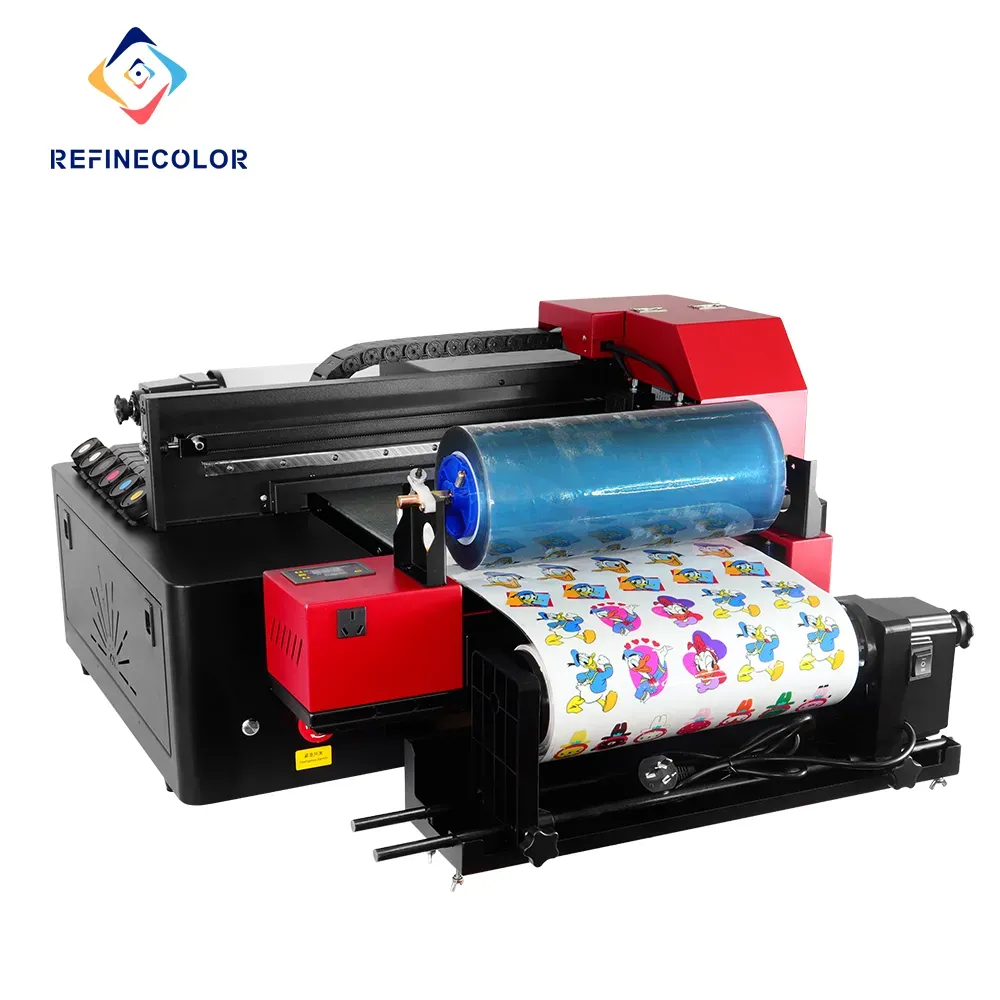
UV DTF printing has emerged as a groundbreaking solution in the modern printing landscape, revolutionizing the way we approach design on various materials. By harnessing the power of ultraviolet light to cure specialized inks directly onto transfer films, this technology offers an impressive array of benefits that appeal to both creators and consumers. Not only does UV DTF provide high-quality, durable prints, but it also positions itself as a leader in sustainable printing solutions. As we explore how UV DTF works, we will uncover the intricacies of this innovative printing method while emphasizing how it aligns with the growing eco-conscious movement. With its versatility and efficiency, UV DTF printing is undoubtedly reshaping the future of the industry.
Also known as UV Direct to Film printing, this advanced printing technique utilizes the principles of ultraviolet light to create stunning graphics on a variety of surfaces. By applying a unique curing process, it merges the benefits of UV printing technology with traditional methods, ensuring high-quality transfers that stand the test of time. The benefits of UV DTF extend beyond just aesthetic appeal; they also cater to the demands for environmentally friendly solutions in today's market. As businesses increasingly prioritize sustainability, understanding how UV DTF operates becomes crucial for those looking to innovate their printing capabilities. This technique not only enhances print quality but also supports a broader movement towards eco-friendliness in production.
The Innovations Driving UV DTF Printing
UV Direct to Film (DTF) printing represents a leap forward in printing technology, combining the efficiency of digital printing with the versatility of traditional methods. Recent innovations in UV DTF have focused on enhancing the curing process, enabling quicker print speeds and improved adherence to a wider array of surfaces. This evolution has opened new markets, allowing companies to explore fresh avenues for creativity in custom designs, from textiles to intricate signage.
As UV DTF printing technology continues to advance, it benefits from ongoing developments in UV inks, which now offer even higher resolution and color vibrancy. The latest formulations are designed to deliver results that are not only visually stunning but also exceptionally durable, resisting fading and wear over time. This makes UV DTF a perfect choice for businesses looking to enhance their product offerings while ensuring high quality.
How UV DTF Works: A Step-by-Step Guide
Understanding the mechanics behind UV DTF printing is essential to appreciating its benefits. The printing process begins with the selection of a proper transfer film, which plays a crucial role in achieving high quality and durable results. Once the film is in place, liquid UV ink is applied, and the film is runs through a UV curing unit. Here, the magic happens; exposure to ultraviolet light triggers a rapid chemical reaction, solidifying the ink and ensuring it bonds effectively with the film's surface.
After the UV exposure, the already cured film can be transferred onto a variety of substrates using techniques like heat pressing. This method guarantees a robust adhesion, making it ideal for various materials including textiles, ceramics, and plastics. Consequently, businesses can capitalize on the flexibility of UV DTF printing, creating vibrant and intricate patterns across multiple products.
Benefits of UV DTF Printing Over Traditional Methods
One of the primary benefits of UV DTF printing is its versatility. Unlike traditional printing methods that often require specific treatments for various substrates, UV DTF excels at printing on unconventional surfaces such as metals and woods, making it a favorite among designers looking to innovate. This adaptability opens new avenues for creative expression and commercialization, meeting diverse consumer demands.
Durability is another significant advantage associated with UV DTF printing. The cured ink provides a tough exterior that resists scratches, moisture, and fading, ensuring that printed products maintain their aesthetic appeal and integrity over time. This characteristic is particularly crucial for items subjected to everyday use, like promotional products and apparel, appealing to businesses aiming for longevity in their offerings.
Sustainable Printing Solutions with UV DTF
As the demand for eco-friendly practices grows across industries, UV DTF printing emerges as a sustainable alternative to traditional methods. With UV inks containing lower levels of volatile organic compounds (VOCs), the process not only aligns with environmental standards but also actively contributes to reducing the harmful impacts associated with printing. This feature makes UV DTF appealing to brands committed to environmentally conscious practices.
Moreover, ongoing research is focused on developing more sustainable UV inks and enhancing the overall print process. These advancements ensure that businesses can maintain high-quality outputs while decreasing their carbon footprints. As more companies transition toward sustainable printing solutions like UV DTF, they not only enhance their market competitiveness but also cater to a growing base of eco-conscious consumers.
Recent Applications of UV DTF Technology
The applications of UV DTF technology are expanding rapidly, influencing a range of sectors from fashion to advertising. Recently, businesses have begun adopting UV DTF for custom textiles, allowing for vibrant designs that stand up to frequent washing and wearing. This method enables designers to create tailored pieces that resonate with consumers, driving engagement and setting brands apart in an increasingly crowded market.
Additionally, UV DTF printing has found its way into promotional products, where businesses seek high-quality output that can withstand exposure to the elements. Items like water bottles, outdoor gear, and even electronics can benefit from the durability and versatility of UV DTF. As industries strive for innovation and efficiency, the growing utilization of this technology highlights its potential to redefine sectors previously dependent on traditional printing methods.
The Future of UV DTF in the Printing Industry
Looking ahead, the future of UV DTF technology appears promising as further advancements are anticipated. The integration of smarter automation and improved ink formulations will likely elevate the capabilities of UV DTF printers, leading to even higher efficiencies and lower operational costs. This evolution means that smaller businesses can leverage this technology without significant investment, leveling the playing field in the competitive printing market.
Additionally, as consumer trends shift towards more personalized and custom products, UV DTF stands poised to meet this demand effectively. The ability to produce small runs of high-quality prints with quick turnaround times aligns perfectly with the needs of today’s market. As businesses increasingly embrace innovation, UV DTF technology will play a pivotal role in shaping the future landscape of printing.
Frequently Asked Questions
What is UV DTF printing and how does it work?
UV DTF printing, or UV Direct to Film printing, is a modern printing technology that utilizes ultraviolet light to cure specially formulated inks on a transfer film. The process begins with applying liquid UV ink onto a selected transfer film. As the film is exposed to UV light, a chemical reaction occurs that instantly solidifies the ink, creating a durable finish that can be transferred to various materials.
What are the benefits of UV DTF compared to traditional printing methods?
UV DTF offers several advantages over traditional printing methods, including versatility in printing on a wide range of substrates such as metals, ceramics, and plastics. Its cured ink is highly durable, resisting scratches and fading, making it ideal for everyday items. Additionally, UV DTF utilizes inks that contain fewer volatile organic compounds (VOCs), enhancing its eco-friendliness and making it a more sustainable printing solution.
How does the UV curing process contribute to the quality of UV DTF prints?
The UV curing process is crucial in UV DTF printing as it allows for rapid solidification of the ink, creating a hard and durable finish on the film. This instantaneous curing enhances the overall quality of prints by ensuring that colors are vibrant, details are sharp, and the prints are resistant to wear and tear, leading to high-end, long-lasting products.
Can UV DTF printing be used for sustainable printing solutions?
Yes, UV DTF printing is an excellent option for sustainable printing solutions. It uses advanced UV inks that emit significantly lower levels of VOCs compared to conventional solvent-based inks. This aligns well with the increasing demand for eco-friendly printing practices, allowing businesses to minimize their environmental impact without compromising print quality.
What industries benefit the most from UV DTF printing technology?
Various industries benefit from UV DTF printing technology, including textiles, promotional products, signage, and custom packaging. Its versatility allows businesses to explore new product offerings and creative designs, while its efficiency in printing ensures quicker turnaround times, making it a valuable asset across these sectors.
How is UV DTF printing evolving with recent technological advancements?
UV DTF printing is evolving with continuous advancements in technology that enhance print quality, expand applications, and improve sustainability. Recent developments have led to broader adoption in various industries, better color vibrancy, higher print resolutions, and ongoing research into eco-friendly inks, ensuring that UV DTF remains at the forefront of the printing industry.
| Key Points | Description |
|---|---|
| Introduction | UV Direct to Film (DTF) printing is a cutting-edge technology that has transformed the printing industry, enabling high-quality designs on various substrates with many benefits. |
| Technology Overview | UV DTF printing combines the principles of traditional Direct to Film and UV printing, curing ink with ultraviolet light on a transfer film. |
| Printing Process | The process includes ink application onto transfer film, UV exposure for rapid curing, and heat transfer to the substrate. |
| Advantages | Advantages include versatility for different materials, durability against wear, and lower environmental impact due to reduced VOCs. |
| Recent Developments | The technology is seeing broader adoption across various industries, improved print quality, and advancements in eco-friendliness. |
| Conclusion | UV DTF technology is essential for modern printing, improving product quality while addressing sustainability concerns, making it a future-oriented choice. |
Summary
UV DTF is revolutionizing the printing landscape, offering numerous benefits such as high-quality prints, compatibility with diverse materials, and a sustainable approach to inks. As businesses increasingly face the challenge of remaining competitive while being environmentally responsible, UV DTF provides an innovative solution that can significantly enhance product offerings. With ongoing developments promising improved print capabilities and sustainability, UV DTF technology is not only a smart choice for printing today but a vital investment for the future.