
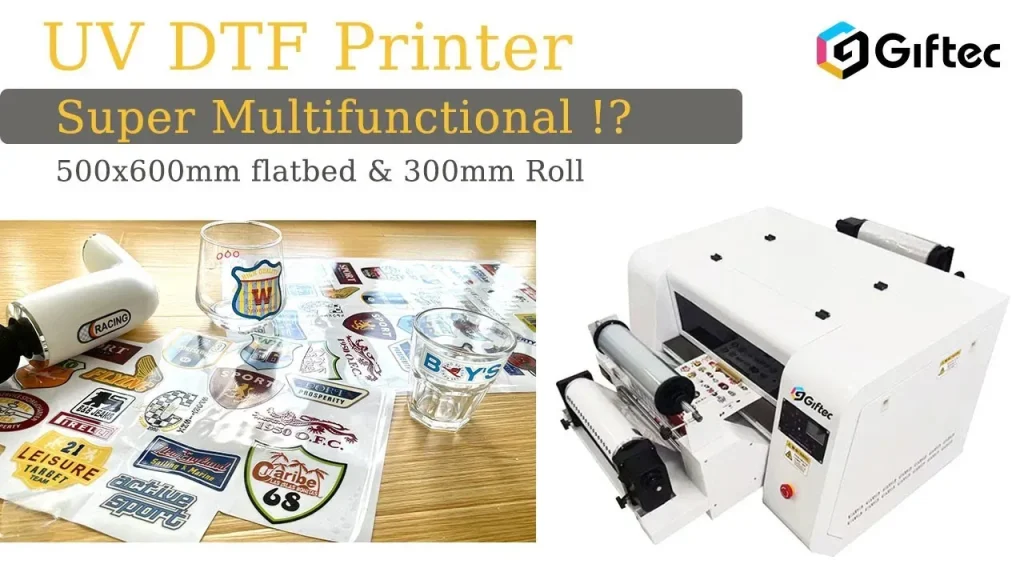
UV DTF transfer substrates drive color vibrancy and durability across a range of media, including fabrics for UV DTF transfer, UV DTF transfer plastics, and other surfaces. The choice of substrates for UV DTF printing influences adhesion, color fidelity, and washability, making substrate selection as important as ink chemistry. From textiles to plastics, surface prep and adhesion promoters play a role in ensuring long-lasting results, guided by DTF transfer fabric substrate compatibility. Testing across fabric blends and plastic types helps identify the best substrates for UV DTF printing under your cure conditions. By aligning substrate choices with design goals, you can minimize reprints and maximize consistency.
Beyond the exact phrase UV DTF transfer substrates, practitioners often speak in terms of printable media, base materials, and surface compatibility when planning a run. For textiles, polymer sheets, or coated boards, choosing the right print media influences ink uptake, texture, and durability under wash. By exploring related terms like substrate options for UV DTF printing, surface priming strategies, and adhesion boosters, you build a semantic map that supports discovery and decision-making. This Latent Semantic Indexing (LSI)-based approach helps you connect concepts such as pre-treatment, curing, and post-process finishes without overemphasizing a single keyword. In practice, documenting results across different base materials reveals patterns in adhesion, color fidelity, and durability.
1) Understanding UV DTF Transfer Substrates: From Fabrics to Plastics and Beyond
UV DTF transfer substrates represent the broad spectrum of materials that can receive UV-curable ink transfers. The substrate you choose influences color vibrancy, texture, adhesion, and wash durability, often more than the ink chemistry or cure settings alone. While fabrics, plastics, and other surfaces each pose unique challenges, understanding how these materials interact with UV-curable inks and the DTF adhesive helps you predict performance and reduce reprints.
A rigorous substrate strategy starts with identifying the substrate family—fabrics, plastics, and others—and then validating surface readiness, adhesion potential, and print stability through targeted tests. Surface cleanliness, the presence of primers or surface treatments, and appropriate curing settings all play pivotal roles in achieving consistent results across production runs.
2) Fabrics for UV DTF Transfer: Material, Weave, and Pre-Treatment Choices
Fabrics for UV DTF transfer span a wide range of weights, blends, and finishes. Cotton and cotton blends are popular for apparel due to their ink acceptance and soft hand after transfer, while polyester and poly blends offer bold color and durability—often requiring ink viscosity tweaks or a primer layer to maximize adhesion and edge fidelity. Weave and weight (e.g., 180–280 gsm versus lighter 90–150 gsm) affect how well detail is preserved and how the fabric behaves during transfer and post-press handling.
DTF transfer fabric substrate compatibility improves with pre-treatment and pre-press steps designed to open the fabric surface, reduce dye migration, and enhance ink uptake. Always follow the fabric supplier’s guidance and run substrate tests to determine the best combination of adhesive, primer, and curing for your target fabric type and end-use scenario.
3) UV DTF Transfer Plastics: Surface Prep, Primers, and Adhesion Promoters
UV DTF transfer plastics bring durability and low weight to items like promotional pieces and signage. Surfaces vary from PET and polycarbonate to polypropylene and coated polymers, each influencing color brightness and edge sharpness. Achieving reliable adhesion on plastics often requires surface activation (such as corona discharge or flame treatment) and compatible primers or adhesion promoters to bridge the ink to the substrate.
Careful curing is essential with plastics to avoid heat-induced warping or damage. Clean surfaces thoroughly, apply recommended primers or adhesion promoters, and adjust cure parameters so the ink fully cross-links without overheating the substrate. When done correctly, plastics can deliver highly vibrant, durable results that hold up in demanding environments.
4) Other Substrates for UV DTF Printing: Wood, Glass, Metal, and Ceramics
Beyond textiles and plastics, UV DTF printing opens possibilities on coated metals, wood, glass, and ceramics. Each material brings its own texture and porosity—porous woods can add character but may require sealing, while glass and glazed ceramics demand surface prep and sometimes a glaze primer to ensure color fidelity and adhesion. Coated metals and composites can yield sharp images with high durability when properly prepped.
End-use considerations matter: moisture, cleaning agents, and frequent handling can affect adhesion and color stability. In many cases, a protective topcoat or sealing layer is recommended to preserve image integrity over time. Validate with real-world tests that mimic how the item will be used and maintained.
5) Testing, Pre-Press, and Ink-Adhesive Matching for Consistent Results
A disciplined approach begins with substrate compatibility testing. Print test patches across representative samples of each substrate type to evaluate adhesion, color vibrancy, edge sharpness, and any dye migration. Document results meticulously, as this data guides repeatability and helps scale production without costly trial runs.
Match inks and adhesives to the substrate and selected surface treatment. Some fabrics respond best to a textile-specific adhesive, while plastics may require primers or adhesion promoters. Pre-press for fabrics to remove moisture and create a flat printing surface, and ensure plastics are clean and properly treated. A data-driven workflow reduces waste and improves long-term consistency.
6) Troubleshooting and Best Practices for Substrates
Even with careful substrate selection, issues can arise. Common fabric problems include peeling, cracking, or dye migration, which can often be mitigated by confirming adhesive compatibility, adjusting pre-press conditions, or selecting a primer designed for textiles. On plastics, insufficient adhesion may be addressed with surface treatment, primers, or adhesion promoters, while non-porous surfaces may require different ink density or cure strategies to maintain vibrancy.
To build reliability, establish baseline substrates and follow substrate- and adhesive-specific guidelines for pretreatments, curing, and washing care. Document every parameter from ink density to cure times, and run small-batch tests when adding new substrate types. Consider end-use expectations—outdoor exposure, abrasion, or frequent washing—and choose finishes and topcoats that align with those conditions.
Frequently Asked Questions
What are UV DTF transfer substrates and why do they matter for print quality?
UV DTF transfer substrates are the materials that receive a UV-curable ink transfer, including fabrics, plastics, and other surfaces. The substrate type directly affects ink adhesion, color vibrancy, texture, and wash durability, so not all substrates perform equally. A robust testing and preparation workflow helps you choose substrates that minimize reprints and deliver consistent, durable results.
What should I consider when choosing fabrics for UV DTF transfer substrates (fabrics for UV DTF transfer)?
Key factors include fabric composition (cotton and cotton blends for a soft hand; polyester blends for color and durability), weave and weight (gsm ranges such as 180–280 for detail; 90–150 for lighter fabrics), and pre-treatment or pre-press as needed. Post-press heat-setting and following adhesive guidance are important. Always perform substrate tests to balance color, hand feel, and washability.
What should I know about UV DTF transfer plastics as substrates?
Common plastics include PET and polycarbonate, which yield bright colors and sharp detail, while polypropylene and some polymers may require surface treatment to improve adhesion. Surface activation methods like corona discharge or flame treatment, plus primers or adhesion promoters, can dramatically improve bonding. During curing, ensure full ink cure without overheating the substrate to avoid warping.
What are the best substrates for UV DTF printing across materials?
Best substrates for UV DTF printing depend on design goals and end-use. Start with a baseline substrate (a standard fabric and a common plastic) and validate adhesion, color vibrancy, and durability through test prints. Use substrate-specific guidelines for pretreatments and primers, and consider sealers for porous or textured surfaces. Document results to guide scalable production.
How does DTF transfer fabric substrate compatibility affect substrate selection and results?
DTF transfer fabric substrate compatibility guides which fabrics work with your ink and adhesive. Conduct compatibility testing with representative fabrics, evaluating adhesion, dye migration, and edge sharpness. Align pre-press, primer, and adhesive choices with each fabric type, and maintain records to reproduce reliable results.
What testing and preparation workflow do you recommend for substrates for UV DTF printing?
Adopt a data-driven workflow: 1) assemble a small set of substrates; 2) print test patches with representative ink and adhesive; 3) evaluate adhesion, color vibrancy, edge sharpness, and dye migration; 4) document results; 5) adjust ink density and cure settings; 6) perform post-processing like heat-setting; 7) run small batches before committing to large runs.
| Category | Key Points | Notes / Examples |
|---|---|---|
| Substrate Selection Importance | Affects color vibrancy, durability, and washability; surface dictates ink adhesion with the DTF adhesive; not all substrates perform equally; testing helps pick substrates that deliver consistent results. | Understanding fabrics, plastics, and other surfaces helps minimize reprints and optimize outcomes. |
| UV DTF Basics | UV-curable inks cure quickly, creating durable bonds; substrate type influences adhesion, color fidelity, texture, and wear resistance; smoother surfaces yield crisper images; porous/textured materials may need ink density adjustments and pre-treatment. | Prepare by calibrating cure settings and selecting compatible inks and adhesives. |
| Fabrics as Substrates | Factors include composition, weave/weight, pre-treatment/pre-press, and post-press care. | Common fabrics: 100% cottons, cotton-poly blends, polyesters; heavier fabrics (180–280 gsm) hold detail; lighter fabrics (90–150 gsm) feel delicate. |
| Plastics as Substrates | Common plastics: PET (and polycarbonate), PP, ABS, acrylic; surface activation improves adhesion. | Surface prep: corona discharge, flame treatment, primers; curing: avoid overheating to prevent warping; primers and adhesion promoters boost adhesion. |
| Other Surfaces | Coated metals, glass, wood, ceramics offer additional design options with unique challenges. | Consider texture, porosity, sealing/topcoats, and environmental exposure; validate with representative prints. |
| Testing & Process | Substrate compatibility testing, ink/adhesive pairing, pre-press, cure calibration, and post-processing. | Document results and adjust parameters per substrate category for fabrics, plastics, and others. |
| Troubleshooting | Peeling/cracking on fabrics; dye migration on porous fabrics; poor adhesion on plastics; fading on non-porous; warping/distortion. | Apply fabric primers, surface treatments, or adhesion promoters; adjust cure; ensure cleanliness and drying; use sealing layers where needed. |
| Best Practices | Baseline testing with standard fabrics and plastics; follow substrate and adhesive manufacturer guidelines; document everything; run small-batch tests before large runs. | Consider end-use, durability, and cleaning requirements; iterate to optimize performance across substrates. |
Summary
UV DTF transfer substrates play a central role in achieving durable, vibrant prints across fabrics, plastics, and other surfaces. By understanding how each substrate interacts with UV-curable inks and the DTF adhesive, you can tailor pretreatments, adhesion promoters, and curing conditions to maximize adhesion, color fidelity, and wash durability. A disciplined testing workflow—comprising substrate compatibility tests, ink and adhesive pairing, proper pre-press, careful curing, and appropriate post-processing—reduces waste, improves consistency, and scales production. When selecting UV DTF transfer substrates, consider end-use environment, expected wear, and production capabilities to achieve reliable results and satisfy customer expectations.

