
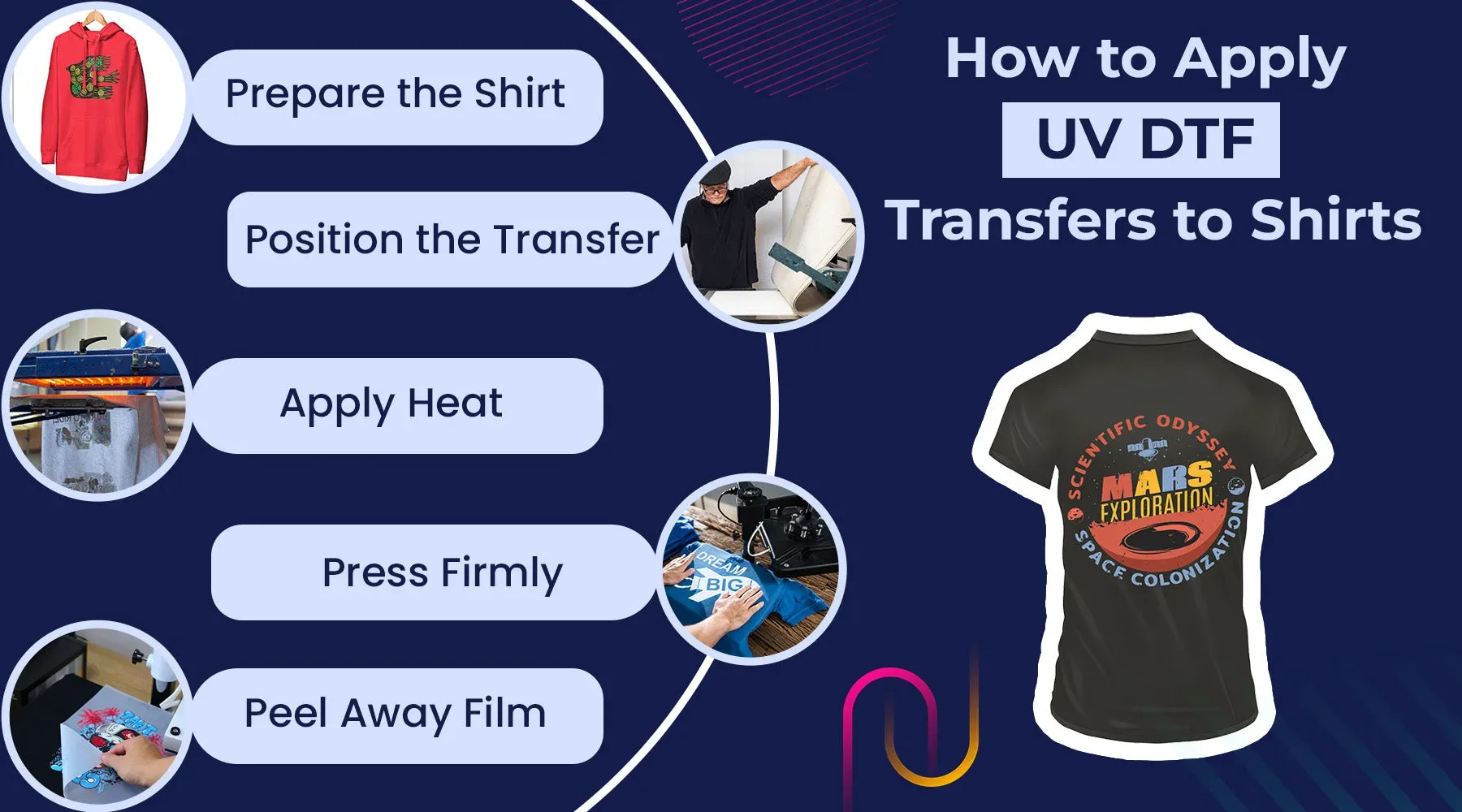
UV DTF Transfer is redefining short-run garment printing by pairing Direct-to-Film with UV-curable inks and rapid curing that accelerates the design-to-delivery cycle, reduces downtime, and enables rapid art direction. Designers can consistently achieve photorealistic DTF transfers with crisp edges, seamless gradients, and tactile textures—from glossy highlights on metallic details to subtle fabric grain on portraits—across a broad spectrum of fabrics. For brands experimenting with limited editions, the method minimizes setup time and changeovers, supports personalized runs, and helps maintain color fidelity across small batches without the labor-intensive setup of traditional print methods. The workflow centers on careful material selection, calibrated curing, and precise pressure and timing, delivering consistent adhesion, wash durability, and predictable transfer outcomes on diverse substrates. In practice, teams seeking speed without sacrificing quality will find this approach a flexible, scalable path to on-demand apparel, limited drops, and brand-ready merchandise.
In less technical terms, this technique relies on a UV-cured printed film that transfers artwork to fabric through heat and pressure, marrying digital design with durable surface adhesion. You can think of it as a modern analogue to a UV-curable film transfer system, where light locks color into a film before it is applied to textiles. A practical way to describe it is a rapid, film-based ink transfer that uses light-activated curing to set color, enabling small runs with low minimums. LSΙ-friendly terms for readers include UV-ink transfer technology, light-cured print-on-film methods, and adaptable garment imaging on diverse substrates. This framing helps search engines connect related concepts such as digital-to-film workflows, photorealistic output, and durable finishes for apparel without relying on a single branded term.
UV DTF Transfer for Short-Run Garment Printing: Speed, Flexibility, and Photorealism
In the realm of apparel, short-run garment printing demands a method that preserves detail while moving quickly from concept to product. UV DTF Transfer blends a Direct-to-Film workflow with UV-curable inks and rapid UV-LED curing to minimize dwell times and reduce changeovers. This combination enables designers to achieve photorealistic DTF transfers with gradients, fine lines, and textures that closely resemble original artwork, even in small batches.
Because setup is lightweight and designs can be swapped without screens or stencils, brands can confidently release limited editions and seasonal drops. The imaging pipeline supports robust color fidelity across light and dark substrates, aligning with the needs of short-run garment printing where speed and flexibility matter most.
UV-LED Curing DTF Technology: Boosting Durability for Apparel
UV-LED curing DTF technology provides an immediate lock-in of color and improved adhesion, contributing to durable DTF transfers for apparel. The right UV-curing system helps prevent ink bleed and enhances abrasion resistance on common fabrics such as cotton, polyester blends, and performance textiles.
Additionally, UV-LED curing enables tighter production windows and more consistent results across substrates. For short runs, this translates into reliable durability and wash-fastness while maintaining photorealistic detail and smooth gradients essential for branding and photography-inspired artwork.
Process Deep Dive: Printing, Curing, and Transfer Steps for UV DTF
A typical cycle starts with selecting compatible DTF films and UV-curable inks, followed by precise printing at high resolution to capture micro-gradients. The UV DTF transfer process then moves to an application phase where the printed film is laid onto fabric, and the UV-LED curing step fixes the image before heat transfer is completed.
Calibrating cure height, exposure, and dwell time is critical to avoid gloss variation or delamination. Alignment checks and substrate testing are standard quality gates to ensure consistent results, especially when aiming for photorealistic DTF transfers across different garment blends. Edge handling and post-processing may further stabilize the print.
UV DTF Transfer vs Traditional Methods for Short Runs
Compared with traditional methods, UV DTF Transfer offers a faster path from design approval to finished product, with reduced setup costs and more design flexibility for short-run garment printing. The UV-curing step enhances durability and color stability, often outperforming baseline DTG or standard DTF on mixed fabrics.
On the other hand, some workflows require specialized curing equipment and tuned parameters. When evaluating UV DTF transfer vs traditional methods, consider fabric range, color fidelity, and overall production cost per unit for small batches, where versatility and speed can outweigh other constraints in photorealistic transfers.
Optimizing Color Management for Photorealistic DTF Transfers
For photorealistic DTF transfers, precise color management is essential, including ICC profiling, screen calibration, and device-link profiles. The use of accurate color profiles ensures gradients, skin tones, and textures transfer faithfully from digital design to garment.
Maintaining consistency across short runs requires documenting color metrics, cure settings, and substrate tests. A simple print-to-fabric test helps verify color accuracy and adhesion, and ongoing monitoring reduces drift between runs while preserving edge sharpness and wash-fast durability, all of which underpin photorealism in UV DTF transfers.
Applications and Best Practices: Limited Editions, Personalization, and On-Demand Merchandise
The combination of UV DTF Transfer and short-run production unlocks opportunities for limited editions and on-demand merchandise with high-detail imagery. Brands can deliver personalized names, numbers, or artwork on individual items while preserving photorealistic detail and color fidelity across a variety of fabrics.
Best practices include iterating with pilot runs, building scalable workflows, and maintaining a robust QA checklist that covers alignment, cure consistency, and substrate compatibility. This approach helps ensure durable transfers for apparel and efficient turnaround for on-demand orders, aligning with the evolving needs of boutique labels and small brands.
Frequently Asked Questions
What is UV DTF Transfer and how does it enable photorealistic short-run garment printing?
UV DTF Transfer is a modern Direct-to-Film process that uses UV-curable inks. The film is printed with high-detail color and sharp line work, then a heat-transfer step applies the image to fabric. The UV-LED curing stage instantly locks in color, increases durability, and reduces post-processing time, making UV DTF Transfer ideal for short-run garment printing. This approach delivers photorealistic DTF transfers with fast turnaround and consistent results across small batches.
How does UV DTF transfer compare to traditional methods for short-run garment printing?
For short runs, UV DTF transfer vs traditional methods offers faster throughput due to UV-LED curing and reduced setup, along with strong color fidelity and durable results. It avoids extensive screens or stencils, enabling easy design changes and personalization. However, UV curing equipment and process tuning may be needed, so evaluate total cost and scalability against other methods.
How durable are UV DTF transfers for apparel?
The UV-curing step enhances adhesion and abrasion resistance, producing durable DTF transfers for apparel with good wash-fastness on many fabrics. This helps maintain vibrancy on cotton, polyester blends, and performance textiles, even with frequent wear and laundering.
What materials and workflow steps are essential to achieve photorealistic results with UV DTF Transfer?
To achieve photorealistic DTF transfers, use compatible DTF films and UV-curable inks designed for your printer, and calibrate color management. Optimize the curing process with UV-LED lamps, ensuring consistent cure height and exposure. Follow precise transfer parameters (time, temperature, pressure) and include post-processing or stabilization steps and routine quality checks to maintain sharp edges and gradients.
Can UV DTF Transfer be used on a variety of fabrics for short-run garment printing?
Yes. UV DTF Transfer offers broad fabric compatibility, including cotton, polyester blends, and performance textiles, making it well-suited for short-run garment printing. Its UV curing helps preserve image quality across different base fabrics and color bases, delivering photorealistic results on light and dark garments.
What are best practices to maximize results from setup to finished product with UV DTF Transfer?
Start with a clear short-run goal, pilot designs, and a scalable workflow. Document curing temperatures, dwell times, and pressure settings to build a best-practice playbook. Maintain color management discipline, run test swatches, and perform quality control checks before production to ensure consistent, durable UV DTF transfers for apparel.
| Aspect | Key Points |
|---|---|
| What is UV DTF Transfer? | A modern variant of Direct-to-Film using UV-curable inks; prints to film; heat-transferred onto fabric; UV-LED curing locks in color quickly and improves durability. |
| Why it works for Short Runs | Fast design-to-print due to rapid curing; low setup for design changes; high fidelity; durable; works on a broad range of fabrics. |
| Materials, Workflow, and Quality Considerations | Printing media and UV inks compatibility; curing equipment calibration; transfer process parameters; post-processing; quality control checkpoints. |
| Photorealistic Results | Crisp edges, smooth gradients, and realistic textures; reduced ink bleed; strong micro-detail performance. |
| Comparing UV DTF with Other Methods | vs Traditional DTF: faster curing and better color stability; vs Sublimation: works on dark cotton and diverse fabrics; vs DTG: more consistent across fabrics; vs Screen Printing: better for small runs with quick design changes. |
| Use Cases for Short Runs | Limited edition drops; Personalization and on-demand orders; Promotional merchandise; Event branding. |
| Practical Tips for Getting the Best Results | Match fabric to transfer; optimize color management; keep curing and pressure parameters consistent; prepare fabrics; plan edge handling. |
| Case Study: A Small-Batch Fashion Brand | A boutique brand shifted from screen printing to UV DTF Transfer for its seasonal capsule, delivering five new designs monthly with vibrant, durable prints and reduced lead times. |
| Getting Started: Next Steps | Define goals; pilot designs; build a best-practice playbook; invest in scalable setup. |
Summary
UV DTF Transfer delivers photorealistic, fast-turnaround results for short runs. This approach combines Direct-to-Film printing with UV-curable inks and UV-LED curing to lock in color quickly, improve durability, and enable the use of a broad fabric range. For designers, brands, and print shops, UV DTF Transfer offers flexible, high-fidelity production with reduced setup and minimal post-processing. With careful material selection, workflow planning, and quality control, it is well-suited for limited editions, personalized orders, and on-demand merchandise in the evolving world of garment printing.