
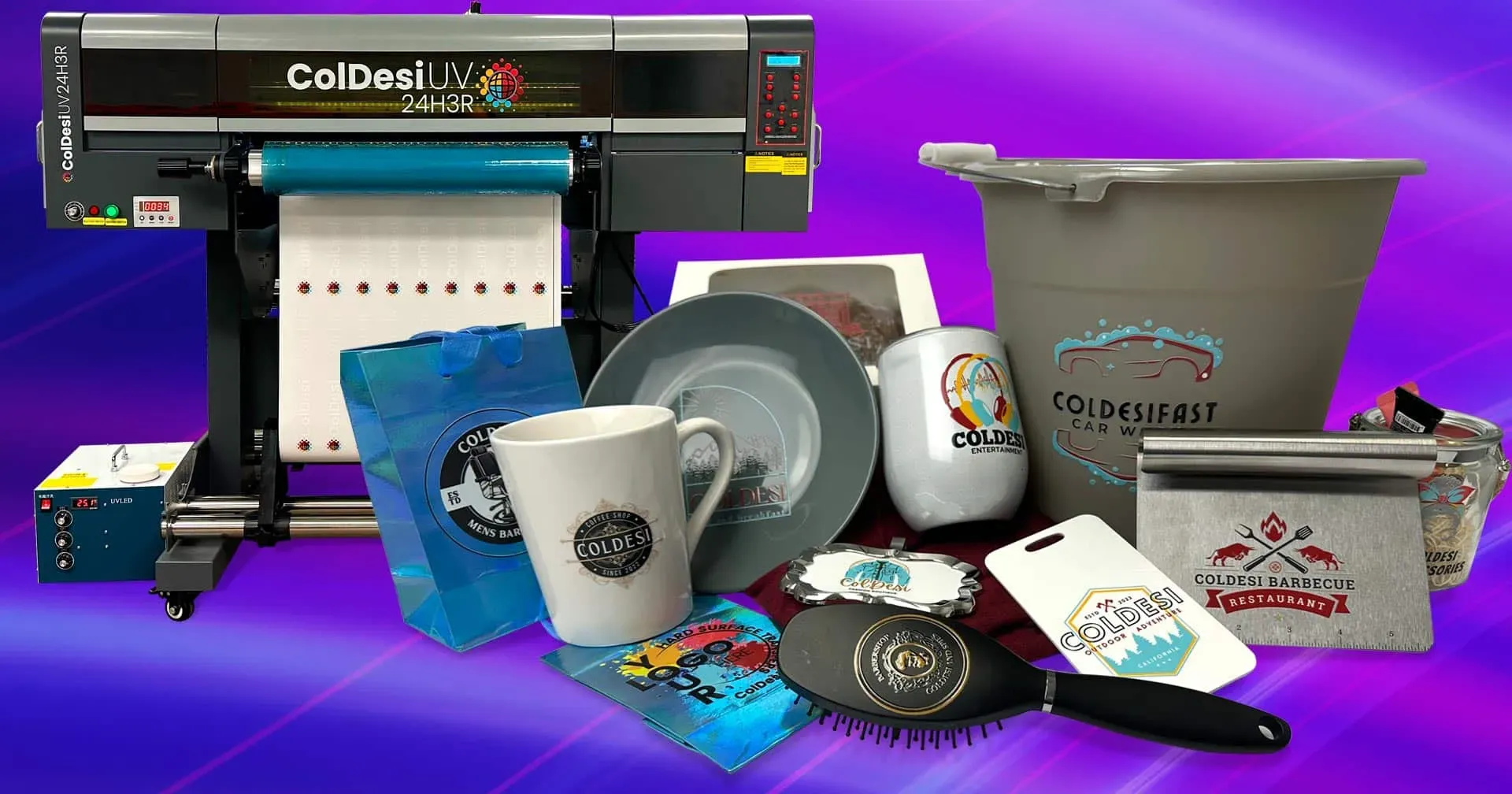
UV DTF printing, or ultraviolet direct to film printing, has quickly established itself as a revolutionary force in the printing landscape, particularly for businesses focused on custom designs. This innovative technology merges the precision of UV printing with DTF capabilities, allowing for the creation of high-quality prints that boast vibrant colors and intricate details. As sustainability becomes increasingly important in consumer choices, UV DTF printing stands out for its eco-friendly attributes, such as low VOC emissions and reduced waste. With the ability to print on demand, this method caters to the diverse needs of brands looking to personalize their offerings without the burden of excess inventory. In this exploration of UV DTF printing, we will uncover its numerous benefits and applications that make it an essential tool for creative expression and efficient production.
Also referred to as ultraviolet direct-to-film printing, this technique represents a significant advancement in the world of custom printing solutions. By utilizing cutting-edge DTF technology, it offers unparalleled versatility for businesses in need of high-quality prints on various materials. The trend toward sustainable printing practices is well-supported by the eco-conscious methods inherent in UV DTF processes. Moreover, the print-on-demand capability of this innovative approach makes it an ideal option for companies looking to maximize efficiency and minimize waste while delivering unique products tailored to customer desires. As we delve deeper into the realm of UV DTF printing, we will explore its transformative potential in the landscape of modern design.
Understanding the Basics of UV DTF Printing
UV DTF printing merges two advanced printing technologies: ultraviolet (UV) curing and direct-to-film (DTF) methods. The process utilizes UV light to instantly cure the ink, markedly enhancing the print quality. As the ink is printed onto a special film, it is then transferred onto various substrates, including textiles, plastics, and metals. This outstanding adaptability makes UV DTF printing a top choice for a wide range of applications, from custom apparel to promotional items.
What sets UV DTF apart from traditional printing methods is not only its versatility but also its efficiency. Unlike many other techniques that require drying time, UV DTF immediately cures the ink, significantly speeding up production times. Businesses are increasingly leaning towards this technology to satisfy the rising demand for high-quality prints and custom designs, thus enhancing their competitive edge in the market.
The Competitive Edge Offered by Custom Designs
In today's fast-paced market, brands constantly seek unique ways to stand out. Custom designs are paramount in attracting consumers' attention, and UV DTF printing provides an exceptional avenue to achieve that. By leveraging high-resolution graphics and a broad color palette, companies can create visually striking products that resonate with specific target audiences. This capability is crucial for businesses aiming to diversify their offerings and tap into niche markets.
Moreover, the customization aspect of UV DTF printing facilitates personalized products, a feature that modern consumers appreciate. Whether it’s custom t-shirts for a family reunion or branded merchandise for corporate events, the ability to print on demand has revolutionized how businesses approach product creation. This engagement fosters customer loyalty and promotes a unique branding strategy essential for maintaining relevance in a saturated market.
Eco-Friendly Aspects of UV DTF Printing
Sustainability is no longer a mere trend; it is a vital consideration for consumers and businesses alike. UV DTF printing stands out in this domain due to its eco-friendly attributes. The technology utilizes low-VOC inks, which significantly reduce harmful emissions while producing vibrant prints. Additionally, UV DTF printing generates less waste compared to traditional printing methods, making it a responsible choice for environmentally conscious companies.
By adopting UV DTF printing, businesses can enhance their green credentials and appeal to a larger audience. As eco-awareness continues to grow, consumers are increasingly drawn to brands that prioritize sustainability. Therefore, investing in methods like UV DTF printing not only supports environmentally sustainable practices but also strengthens a brand's reputation in a market that favors responsible consumption.
Exploring the Versatility of UV DTF Applications
UV DTF printing possesses remarkable versatility, enabling businesses to adapt to various market needs. From custom apparel featuring detailed designs to promotional products that require durability, this printing method excels across multiple applications. The ability to print on diverse substrates including wood, glass, and metals opens a treasure trove of possibilities for creative enterprises, allowing them to explore new product lines with ease.
Furthermore, this versatility extends to the customization aspect of promotional items. Companies can produce branded giveaways, showcasing their logos on various materials such as tote bags or caps, ensuring effective marketing efforts that leave a lasting impression. The adaptability of UV DTF printing encourages innovation, allowing businesses to explore new opportunities within their respective industries.
The Rise of Print on Demand with UV DTF Technology
Print on demand is revolutionizing inventory management, and UV DTF printing is at the forefront of this transformation. Businesses, particularly small enterprises and startups, benefit significantly from this model, as it eliminates the need for large upfront investments in inventory. Instead, they can produce customized designs only when an order is received, thereby minimizing waste and reducing storage costs.
This approach not only enhances operational efficiency but also meets the consumer's desire for tailored products. As the demand for unique merchandise increases, businesses that adopt print on demand strategies using UV DTF technology can rapidly respond to market trends. The flexibility this method offers enables companies to thrive in an ever-changing landscape, positioning them favorably against competitors with traditional inventory approaches.
Challenges and Solutions in Implementing UV DTF Printing
While UV DTF printing presents numerous advantages, it is not without its challenges. The initial investment cost for UV DTF printers can be a barrier for some businesses, particularly those just starting. Furthermore, the technology's learning curve can be steep, requiring time and training to master the intricacies of the printing process.
However, solutions are emerging as the technology matures. Manufacturers are increasingly producing user-friendly machines with lower price points, making UV DTF printing more accessible to small businesses. As suppliers enhance training resources and support services, companies can overcome these initial hurdles, paving the way for wider adoption and innovation within the sector.
Frequently Asked Questions
What are the benefits of using UV DTF printing for custom designs?
UV DTF printing offers numerous benefits for custom designs, including high-resolution prints with vibrant colors, versatility to print on a variety of materials, and eco-friendly sustainable printing options. This technology ensures durability, making it ideal for creating long-lasting items that stand out.
How does UV DTF printing compare to traditional printing methods?
UV DTF printing provides several advantages over traditional methods, such as producing high-quality prints with minimal waste and the ability to create print on demand. This makes it more suitable for businesses looking to offer custom designs without the need for large inventory.
Can UV DTF printing be used for apparel customization?
Absolutely! UV DTF printing is particularly suitable for custom apparel, allowing brands to print intricate and vibrant designs on fabrics like t-shirts, hoodies, and bags. The durability of UV-cured prints means they can withstand regular wear and washing.
Is UV DTF printing a sustainable printing option?
Yes, UV DTF printing is considered a sustainable printing option as it utilizes low-VOC inks, produces minimal waste, and allows for efficient print on demand, reducing excess inventory. This aligns with the growing consumer demand for eco-friendly practices.
What materials can be used with UV DTF printing technology?
UV DTF printing is versatile and can print on a wide range of substrates, including textiles, plastics, metals, and wood. This adaptability makes it perfect for creating custom designs across various product categories, from promotional items to signage.
How can businesses benefit from UV DTF printing's print on demand capabilities?
Businesses can significantly benefit from UV DTF printing's print on demand capabilities by reducing inventory costs and offering personalized custom designs without upfront investment in large quantities. This flexibility helps businesses respond quickly to market trends and customer preferences.
| Key Points | Details |
|---|---|
| What is UV DTF Printing? | A method using UV light to cure ink on a film, which is then transferred to various substrates. |
| High Print Quality | Produces high-resolution prints with vibrant, long-lasting colors. |
| Versatility | Can print on various materials including textiles, plastics, and metals. |
| Eco-Friendly Printing | Minimizes waste and uses low-VOC inks. |
| Cost-Effectiveness | Ideal for small businesses due to reduced production costs and print-on-demand options. |
| Applications | Used for custom apparel, promotional products, and signage. |
| Challenges | High initial investment and learning curve for new technology. |
| Future Prospects | Growing demand for custom designs and ongoing advancements in technology. |
Summary
UV DTF printing is revolutionizing the way businesses approach custom designs by offering high-quality, versatile, and eco-friendly printing solutions. This innovative technology not only produces vibrant and durable prints but also allows for customization across a variety of substrates. As sustainability becomes increasingly important in consumer choices, UV DTF printing aligns perfectly with these trends, providing an effective way for brands to stand out. With its cost-effectiveness and adaptability to rapid changes in market demands, UV DTF printing is set to become a cornerstone in the future of the printing industry, enabling businesses to embrace creativity and efficiency together.