
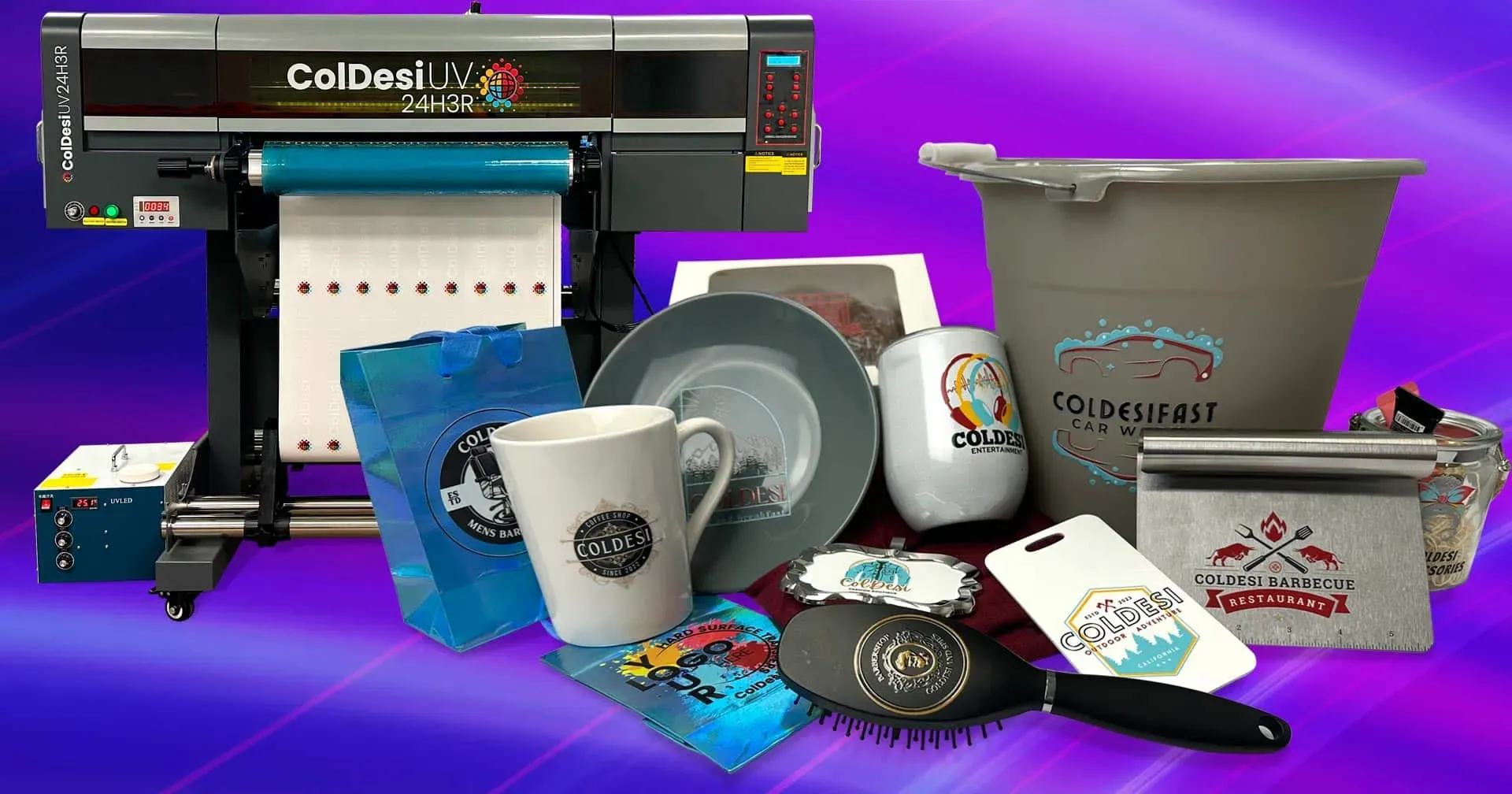
In the dynamic world of custom T-shirt production, UV DTF printing is making waves as a revolutionary printing technology. This cutting-edge method not only enhances the quality and vibrancy of prints but also supports sustainable printing practices, appealing to today's eco-conscious consumers. UV Direct-to-Film printing allows for intricate designs and rapid turnaround times, making it an ideal choice for businesses of all sizes. As we delve deeper into the advantages of UV DTF printing, we'll discover how this innovative approach is reshaping the landscape of T-shirt printing. Join us on this exploration of how technology is driving change in the apparel industry, creating opportunities for unique, personalized garments without compromising on efficiency.
Referred to as Direct-to-Film UV printing, this modern technique is transforming how garments are printed, particularly in the T-shirt sector. The process involves transferring high-resolution images onto a special film before applying them onto a variety of fabrics, offering unmatched versatility. This alternative printing approach is not only ideal for T-shirt printing but also expands to various surfaces, making it a favorite among custom apparel makers. As sustainability becomes a pivotal concern for many brands, the eco-friendly nature of this printing technology stands out, minimizing waste and water usage. Embracing this innovative method allows businesses to cater to consumer demands for personalized, high-quality products efficiently.
What Makes UV DTF Printing a Game Changer?
UV DTF printing stands out for its ability to deliver vibrant images and complex designs directly onto fabric, setting it apart from conventional methods like screen printing or heat transfer. This technology utilizes ultraviolet light to cure the ink instantly, allowing for quicker production times while maintaining exceptional quality. T-shirt printers can achieve high-resolution images that are not only visually appealing but also durable, making them withstand the rigors of washing and wearing. As a result, UV DTF has quickly become a favorite among businesses looking for efficient and effective printing solutions in the competitive custom T-shirt market.
Moreover, the flexibility inherent in UV DTF printing opens up possibilities beyond T-shirts, enabling personalization on various materials, from cotton to polyester and even rigid surfaces. This adaptability is vital for businesses aiming to cater to diverse consumer needs and preferences. Whether creating stylish fashion items or promotional merchandise, UV DTF allows for individuality and creativity, ensuring appealing products in a saturated market.
The Speed and Efficiency of UV DTF Printing
Speed is a critical factor in the T-shirt printing industry, and UV DTF excels in this area. By eliminating the need for lengthy drying times associated with traditional methods, businesses can streamline their production processes, fulfilling orders more rapidly. The instant curing of ink via UV light means that after printing, the garments are ready for finishing touches and distribution almost immediately. This efficiency not only helps meet tight deadlines but also boosts overall productivity, allowing businesses to take on more orders.
In addition to faster turnaround times, UV DTF printing minimizes material waste, contributing to a more sustainable production model. As businesses optimize their operations, they can reduce the volume of offcuts and remnants typically associated with other printing methods. This efficiency not only results in cost savings for businesses but also aligns with the growing consumer demand for eco-friendly practices in garment production.
Sustainability in T-Shirt Printing: Embracing Eco-Friendly Practices
As sustainability increasingly becomes a priority for consumers and businesses alike, UV DTF printing has emerged as a more environmentally friendly option in the T-shirt printing industry. Unlike traditional printing methods which, for instance, consume excessive amounts of water and produce considerable waste, UV DTF utilizes a nearly dry process. This reduces water usage significantly, allowing businesses to align their manufacturing with ecologically responsible practices and meet the expectations of eco-conscious customers.
Furthermore, UV DTF technology often requires fewer chemicals than conventional printing methods, leading to less environmental impact overall. By adopting UV DTF, companies not only benefit from the operational efficiencies it provides but also position themselves as leaders in sustainable printing technology, appealing to a growing demographic that values environmental responsibility.
Customization and Creativity: Unleashing Design Potential with UV DTF
In today’s fashion market, consumers crave uniqueness, and UV DTF printing allows businesses to meet this demand for custom T-shirt designs effortlessly. With this technology, companies can create intricate graphics and multi-color designs without the constraints of traditional screen printing, which often imposes higher minimum order quantities. This opens the door for small businesses and startups to offer bespoke goods without incurring hefty costs. Such flexibility enables brands to cater to niche markets, ensuring they remain competitive by providing personalized merchandise that resonates with individual customers.
Moreover, the creative possibilities with UV DTF are virtually limitless. Designers can experiment with complex textures, gradients, and even incorporate unique artistic styles into their T-shirt designs. This level of detail and richness is not only eye-catching but helps brands stand apart in a crowded market, driving innovation and continually keeping the consumer informed about current trends.
Cost-Effectiveness of UV DTF Printing for Businesses
One of the most compelling advantages of UV DTF printing is its ability to be cost-effective for both small businesses and large manufacturers. By minimizing operational costs—such as reducing material waste and decreasing the investment needed for equipment—businesses can offer competitive prices without sacrificing quality. For entrepreneurs, the economical printing process enables them to explore creative T-shirt designs and product ranges without the risks often associated with large minimum orders.
Additionally, the long-term savings associated with UV DTF technology are substantial. As consumer demands shift towards faster, customizable, and sustainably produced garments, businesses leveraging UV DTF printing are likely to see a notable return on investment. Companies that adopt this technology not only benefit from immediate cost reductions but also position themselves for sustained growth as the demand for personalized and efficient printing continues to expand.
The Future of T-Shirt Printing: Embracing Innovation through UV DTF
As the T-shirt printing industry evolves, UV DTF printing is at the forefront of this transformation, ushering in a new era of innovation. Businesses that adopt UV DTF technology position themselves not just to respond to market trends but to set them, ensuring they remain relevant in an increasingly competitive landscape. The ability to create high-quality, customized designs on various materials will be paramount in attracting modern consumers who value both originality and sustainability.
Looking ahead, as the printing technology continues to advance, it is expected that UV DTF will evolve to incorporate even more capabilities, enhancing workflow efficiencies and further reducing costs. Businesses that embrace this innovation will not only enhance their production processes but also redefine the landscape of custom T-shirt printing, setting new standards for quality, speed, and sustainability in the industry.
Frequently Asked Questions
What are the benefits of UV DTF printing for T-shirt customization?
UV DTF printing offers significant advantages for T-shirt customization such as high-quality prints with vibrant colors and intricate designs. It allows for full-color graphics without stringent minimum orders, making it ideal for small businesses looking to provide unique custom T-shirts.
How does UV DTF printing compare to traditional T-shirt printing methods?
Unlike traditional T-shirt printing methods like screen printing, UV DTF printing uses ultraviolet light to cure inks directly on film before transferring to fabric. This process provides higher-resolution images, faster production times, and less material waste, making it a more efficient option.
Is UV DTF printing an environmentally friendly option for T-shirt production?
Yes, UV DTF printing is considered a sustainable printing method. It significantly reduces water usage compared to traditional textile printing methods and minimizes waste, aligning with eco-friendly practices that appeal to environmentally conscious consumers.
Can UV DTF printing be used on materials other than T-shirts?
Absolutely! UV DTF printing is versatile and can be applied to a variety of materials beyond T-shirts, including cotton, polyester, and even non-fabric surfaces. This expands the possibilities for businesses to create customized products across different markets.
What makes UV DTF printing a cost-effective solution for small businesses?
UV DTF printing reduces upfront investment and operational costs due to faster production times and minimized material waste. This cost-effectiveness enables small businesses to thrive in competitive markets by offering custom T-shirts efficiently.
What trends are driving the growth of UV DTF printing technology?
The growth of UV DTF printing technology is driven by the demand for faster, customizable apparel solutions, its eco-friendly practices, and broader access for businesses of all sizes. This democratization allows local businesses to compete effectively by providing high-quality custom products.
| Key Point | Description |
|---|---|
| What is UV DTF Printing? | A printing method that uses UV light to cure ink on film, allowing for direct transfer onto fabric. |
| Enhanced Speed and Quality | Rapid production with high-resolution and durable prints. |
| Versatility | Applicable to various materials beyond T-shirts, expanding market opportunities. |
| Sustainability | Reduced water usage and waste compared to traditional printing methods. |
| Customization Capability | Support for intricate designs and no minimum order restrictions, fostering creativity. |
| Market Growth | Accessible technology for both large and small businesses, driving competition. |
| Cost-Effectiveness | Lower upfront costs and efficient production, enhancing profitability. |
Summary
UV DTF printing is revolutionizing the T-shirt printing industry by providing an innovative solution that enhances quality, efficiency, and environmental sustainability. This technology allows for vibrant and durable prints that can be quickly produced on a variety of materials, catering to a wide range of custom designs without hefty price tags. By reducing water use and minimizing waste, UV DTF printing facilitates eco-friendly practices that align with modern consumer values. As businesses leverage these advantages, we can expect an increase in customized offerings that resonate with consumers seeking individuality in their apparel. Overall, UV DTF printing represents a significant leap forward for the T-shirt printing landscape, promising continued growth and adaptation in the market.