
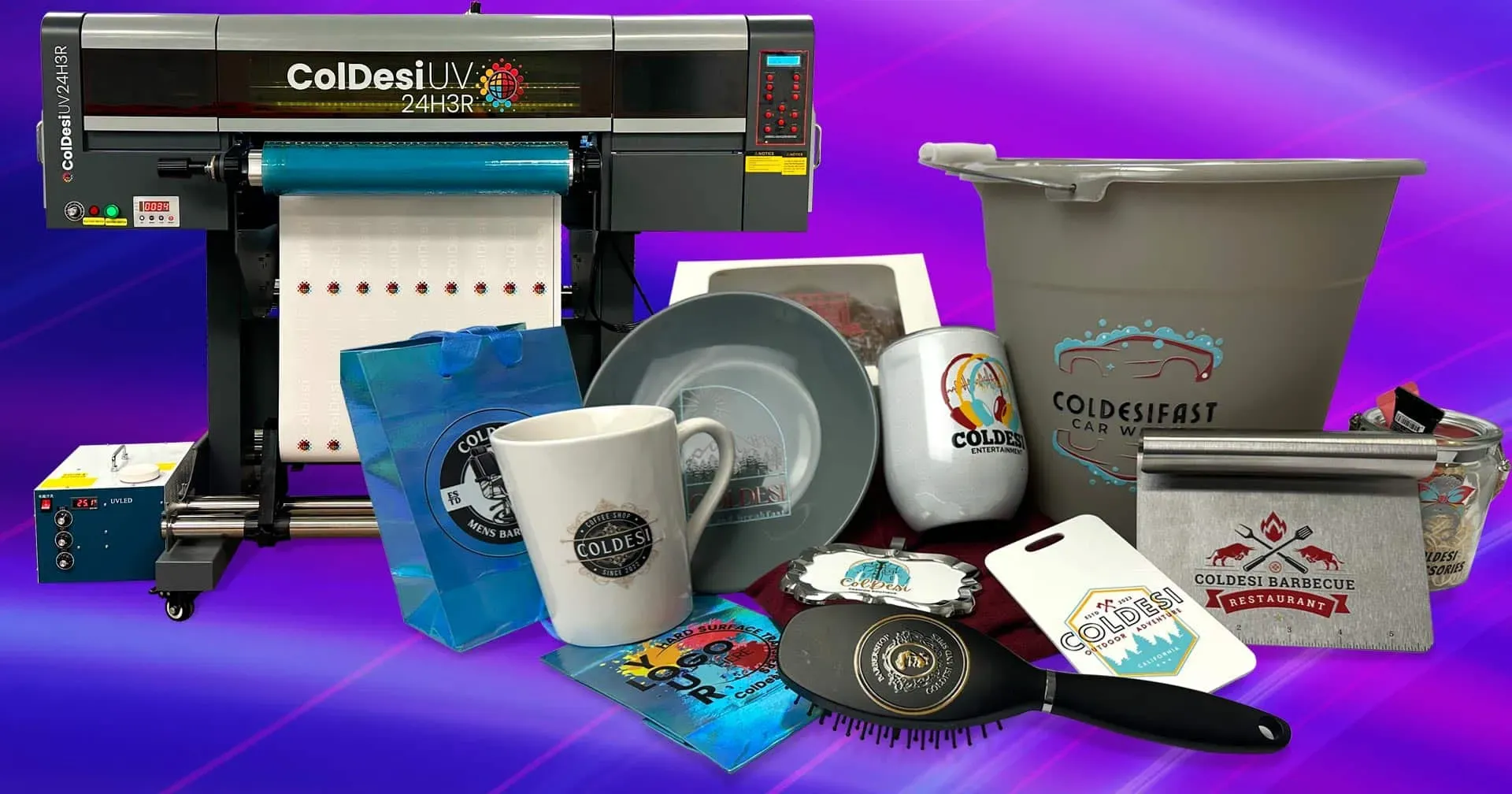
UV DTF printing is revolutionizing the custom printing landscape, bringing innovation and quality to the forefront of the industry. By leveraging advanced UV printing technology alongside Direct to Film (DTF) techniques, it has made it possible to achieve stunning prints on various materials while ensuring durability and vibrancy. This method not only expedites production processes but also adheres to sustainable printing practices, appealing to eco-conscious consumers and businesses alike. As a result, UV DTF printing has broad applicability, from apparel to promotional merchandise, making it a favorite amongst custom printers. In this comprehensive guide, we will explore how UV DTF printing is changing the game for customized products, highlighting its key advantages and potential for future growth.
When discussing modern printing solutions, terms like Direct to Film (DTF) printing and ultraviolet (UV) printing techniques often emerge. These innovative methods are increasingly gaining traction due to their ability to create high-quality, long-lasting prints across a diverse array of substrates. The rapid advancement of printing technologies is transforming the way businesses approach custom designs, providing a blend of speed and flexibility that meets the demands of today’s market. Moreover, the focus on environmentally friendly practices has led to greater interest in sustainable printing options, making techniques like DTF and UV printing critical components of the industry's evolution. In this article, we delve into the nuances of these printing advancements and their significant impact on the custom printing world.
What is UV DTF Printing?
UV DTF printing, or Direct to Film printing utilizing UV technology, is an innovative process that revolutionizes how images are applied to a variety of materials. By employing UV-curable inks, this method allows for the production of remarkable, high-resolution images that maintain their vibrancy over time. Unlike conventional printing methods, UV DTF stands out due to its capability to produce intricate designs without needing any specialized treatments, enabling consistent results across different substrates.
The technique begins with the printing of a design on a special film, followed by a transfer process that seamlessly adheres the images to the target material through the application of heat and pressure. This not only enhances adhesive strength but also guarantees a durable finish that resists fading and damage. Therefore, UV DTF has become popular for businesses looking to create high-quality, custom products ranging from apparel to promotional goods that can withstand daily wear and tear.
Advantages of UV DTF Printing
One of the most significant advantages of UV DTF printing is its unparalleled durability. The use of UV-cured inks ensures that prints are not only vibrant but also resistant to various environmental factors such as sunlight, moisture, and abrasion. This durability is crucial for businesses, especially those that operate in dynamic environments where promotional materials are exposed to harsh conditions. The longevity of UV DTF prints thus translates into lower replacement costs over time, enhancing the overall value proposition of investing in such technology.
Moreover, UV DTF offers higher-quality outputs compared to traditional printing techniques. The precise control over ink deposits facilitates the production of intricate and detailed designs, highlighting the potential for high-resolution prints that look crisp and professional. This advantage makes UV DTF particularly appealing for businesses aiming to leave a lasting impression with their branding initiatives.
Versatility of UV DTF Printing Techniques
The versatility of UV DTF printing is perhaps one of its most compelling features. This technique enables the application of designs to a myriad of materials, including textiles, plastics, metals, and wood. Such adaptability means that businesses can diversify their offerings and respond to a wider range of client requests without the need for extensive preparation or specialized equipment.
This method also eliminates the requirement for extensive pre-treatment processes that some traditional printing techniques mandate. For example, when printing on textiles, there is often a need for special coatings or preparations to ensure optimal adhesion. However, with UV DTF printing, the technology has evolved to allow direct application on various surfaces. This opens new avenues for creative possibilities in product customization and enhances operational efficiency.
Environmental Impact of UV DTF Printing
As sustainability gains prominence across industries, UV DTF printing is positioned as a more environmentally friendly option within custom printing practices. The inks used in UV DTF processes typically feature low levels of volatile organic compounds (VOCs), which minimize harmful emissions during production. This clean approach not only improves indoor air quality but also contributes to safer working environments for printing professionals.
Additionally, the direct transfer process inherent to UV DTF printing results in less waste compared to traditional methods that require excess materials and intricate setups. By reducing waste and utilizing eco-conscious inks, businesses that adopt UV DTF technology can bolster their sustainability agendas while meeting customer demands for quality and personalized products.
Customization through UV DTF Printing
Customization is a key driver in today’s market, and UV DTF printing shines in its ability to create personalized products that resonate with consumers. The technology allows for distinct designs to be rendered in high resolution, enabling users to introduce unique elements that can differentiate their offerings from competitors. This level of customization caters not only to individual customers looking for unique items but also helps brands to enhance their visibility and engagement in crowded markets.
Furthermore, the flexibility of designs achievable through UV DTF printing means that businesses can experiment with a diverse range of styles and finishes. Whether it’s customizing promotional merchandise or creating personalized apparel for events, the possibilities are boundless. This allows businesses to stay ahead of trends and cater to the ever-evolving preferences of their clientele.
Emerging Trends in Custom Printing with UV DTF
As we look towards the future of custom printing, UV DTF technology stands out due to its rising popularity among businesses aiming to capitalize on the growing demand for personalized products. The shift towards more digital solutions in both graphic design and printing indicates that UV DTF will likely play a crucial role in the evolution of the industry. Many companies are investing in state-of-the-art equipment to harness the benefits associated with this advanced printing technique.
The trend is not merely about the technology but also emphasizes efficiency and customer satisfaction. With increasing pressure on businesses to deliver products quicker without sacrificing quality, UV DTF printing meets these demands by streamlining production processes. This trend will only reinforce the relevance of UV DTF in the competitive world of custom printing, ensuring that it remains a pivotal player in the market.
Frequently Asked Questions
What is UV DTF printing and how does it work?
UV DTF printing, or Direct to Film printing, utilizes advanced UV printing technology to produce high-quality images. It involves printing vibrant graphics onto a special film with UV-curable inks, which are then transferred to various materials using heat and pressure, resulting in durable and vivid custom products.
What are the key advantages of using UV DTF printing for custom printing needs?
The key advantages of UV DTF printing include exceptional durability, versatility across various materials, efficient production speeds, and environmental benefits. This technology allows for high-quality prints that are resistant to fading and damage, enabling customization on textiles, plastics, metals, and more.
Can UV DTF printing be used on different types of materials?
Yes, UV DTF printing is highly versatile and can be used on a wide array of materials such as textiles, plastics, metals, and wood. This adaptability makes it an excellent choice for businesses looking to expand their custom printing services and meet diverse client needs.
How does UV DTF printing contribute to sustainable printing practices?
UV DTF printing supports sustainable printing practices by using low-VOC inks, which are less harmful to health and the environment. The direct transfer process also reduces waste, making UV DTF an eco-friendly option for businesses aiming to minimize their environmental impact.
What distinguishes UV DTF printing from traditional DTF printing techniques?
UV DTF printing differs from traditional DTF techniques by utilizing UV-curable inks, which offer superior durability and resistance to environmental factors. This technology also allows for faster production speeds and the ability to print on a broader range of substrates compared to conventional DTF methods.
What trends are emerging in the UV DTF printing market as we approach 2025?
As we approach 2025, the UV DTF printing market is witnessing increased investment in printing technology, driven by the rising demand for customized products. The trend towards digital solutions in graphic design and the emphasis on quality and customization signify a promising future for UV DTF techniques in the custom printing industry.
| Key Point | Description |
|---|---|
| Introduction | The emergence of UV DTF printing is changing the custom printing landscape. |
| Understanding UV DTF Printing | High-quality image prints are made on various substrates using UV-curable inks. |
| Durability and Quality | UV-cured inks resist fading and scratching, ensuring long-lasting prints. |
| Versatility Across Various Materials | Prints on textiles, plastics, metals, and wood without special pre-treatments. |
| Efficiency and Speed | Reduces production times compared to traditional methods. |
| Environmental Benefits | Low VOC inks and reduced waste make it eco-friendly. |
| Customization and Design Flexibility | Supports intricate designs for personalized promotional items. |
| Recent Market Trends | Increasing investment in UV DTF to meet custom printing demand. |
Summary
UV DTF printing is revolutionizing the custom printing industry by combining durability, versatility, and efficiency alongside environmental awareness. This innovative technique allows businesses to produce high-quality, personalized products quickly, appealing to the growing consumer preference for customized items. As UV DTF printing technology continues to gain traction and become integral to custom printing, it sets a new standard for quality and sustainability in the market.