
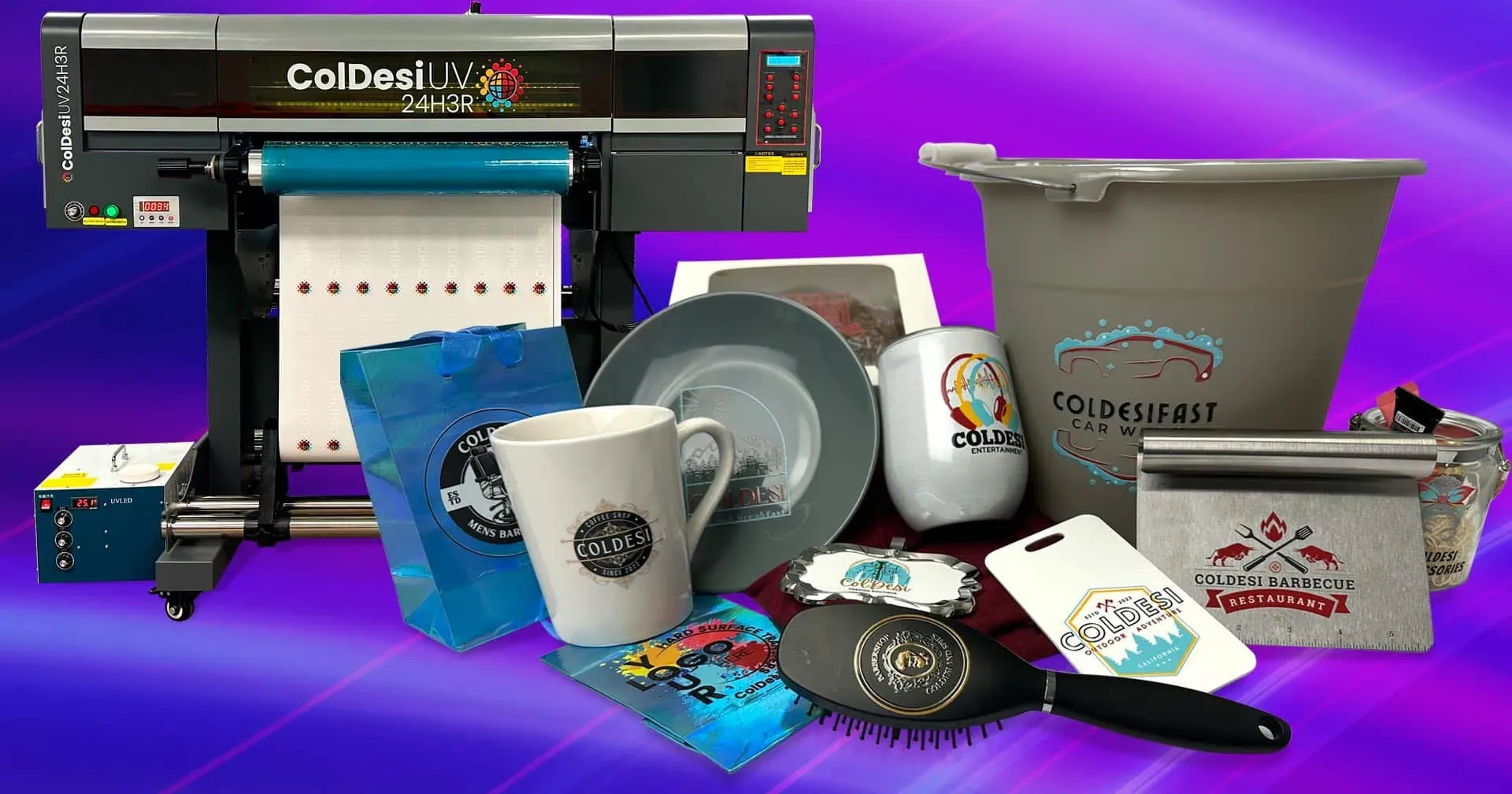
UV DTF printing, or UV Direct to Film printing, represents a groundbreaking advancement in the realm of sustainable printing techniques. This innovative process leverages ultraviolet light to cure inks almost instantly, significantly reducing chemical reliance and the emission of harmful volatile organic compounds (VOCs). As industries increasingly seek energy-efficient printing solutions, UV DTF emerges as a frontrunner, offering long-lasting prints while utilizing recyclable printing materials. By choosing this technology, businesses can align with eco-friendly practices, showcasing their commitment to the environment. Dive into the world of UV DTF printing and discover its outstanding environmental benefits that not only enhance print quality but also contribute to a greener future.
When discussing the latest trends in eco-friendly printing, one cannot overlook the significance of UV Direct to Film technology. Often referred to as energy-efficient printing, this method has gained prominence for its capability to deliver high-quality visuals while maintaining a focus on sustainability. The process employs ultraviolet light to cure inks quickly, thereby minimizing wasted resources and enhancing durability. Furthermore, this technology utilizes sustainable materials that are often recyclable, appealing to consumers eager for greener alternatives. With an emphasis on reducing environmental impact, UV DTF printing stands out as a solution designed to meet the growing demand for responsible printing practices.
The Environmental Impact of UV DTF Printing
UV DTF printing significantly reduces the ecological footprint associated with traditional printing methods. By employing UV-curable inks, the technology minimizes volatile organic compound (VOC) emissions, which are not only harmful to the environment but also to human health. This eco-conscious approach helps to create a cleaner production process and a healthier work environment for printing professionals. The reduction in chemical use not only improves air quality but also reflects a growing commitment across the industry to adopt sustainable practices.
Moreover, the waste generated from conventional printing processes tends to be higher due to its reliance on solvent inks and extensive cleanup operations. With UV DTF printing, the curing process is instantaneous, leading to less waste and a more streamlined operation. This efficiency not only supports the printing industry’s move toward sustainability but also enables companies to respond better to eco-conscious consumer demand. By choosing UV DTF printing, businesses can effectively contribute to environmental conservation while also boosting their brand's reputation.
Energy Efficiency in UV DTF Printing
An essential advantage of UV DTF printing lies in its energy efficiency. Unlike traditional printing methods that often require extensive energy for drying ink through heat, UV DTF technology employs ultraviolet light to cure inks instantaneously. This rapid curing process drastically reduces energy consumption during production, leading to lower operational costs and a decreased environmental footprint. According to industry reports, the significant reduction in energy needs can lead printers toward more renewable energy sources, further enhancing their sustainability efforts.
Furthermore, the efficiency of UV DTF printing extends beyond energy savings; it also allows for greater productivity and faster turnaround times. Businesses can produce high-quality prints in less time, which is especially beneficial in today’s fast-paced market. This improved efficiency not only helps to meet tight deadlines but also minimizes the overall resource use. By adopting UV DTF printing, companies can align themselves with energy-efficient practices that cater to both their operational goals and environmental responsibilities.
Sustainable Materials in UV DTF Printing
UV DTF printing uses advanced inks that are often derived from renewable, bio-based materials. This is a pivotal shift in the printing industry, where sustainability has increasingly become a priority. The use of such eco-friendly inks not only aligns with global sustainability goals but also meets the growing consumer demand for green products. By utilizing materials that minimize environmental impact, businesses can ensure their printing practices are environmentally responsible.
The focus on sustainable materials also creates opportunities for innovation within the industry. As manufacturers develop more environmentally friendly inks and substrates, they are setting a precedent for others to follow. This shift towards sustainable materials contributes to the overall longevity and safety of the printed products, as many bio-based inks are less toxic and more biodegradable than their conventional counterparts. By embracing these advancements, UV DTF printing helps pave the way for a more sustainable industry.
Durability and Longevity of UV DTF Prints
One of the key benefits of UV DTF printing is the outstanding durability of the prints produced. Unlike traditional printing methods, which may degrade or fade over time, UV DTF prints maintain their vibrancy and quality for longer periods. This resilience is essential for businesses that demand high-performance products that can withstand the test of time. By investing in prints that exhibit longer-lasting characteristics, companies can reduce waste and the need for frequent replacements.
Additionally, the durability of UV DTF prints allows for a broader range of applications, from outdoor signage to fashion accessories, without the fear of deterioration. This versatility supports sustainability by encouraging the use of durable products instead of single-use or less resilient options. As consumers become more environmentally conscious, the demand for long-lasting and durable printed materials continues to rise, positioning UV DTF printing as a preferred choice in eco-friendly printing solutions.
Recyclability in UV DTF Printing
Recyclability plays a crucial role in the sustainability narrative of UV DTF printing. Many of the substrates used in this process are designed to be easily recyclable, a significant advancement over traditional printing materials which are often discarded after use. This capability not only contributes to reducing landfill waste but also aligns with wider global initiatives aimed at promoting recycling and resource recovery. As businesses seek to enhance their environmental practices, the recyclability of UV DTF products adds a valuable dimension to their sustainability strategies.
Furthermore, the ongoing innovation in the materials used for UV DTF printing means that manufacturers are continually looking for ways to enhance the recyclability of their products. This commitment to developing recyclable inks and substrates reflects a deep understanding of environmental responsibilities and the urgent need for sustainable solutions. As consumers increasingly prioritize recycling in their purchasing decisions, companies that leverage UV DTF printing can meet this demand while enhancing their overall sustainability profile.
Frequently Asked Questions
What are the key environmental benefits of UV DTF printing?
UV DTF printing offers several environmental benefits including reduced chemical usage, improved energy efficiency, sustainability of materials, longer-lasting prints, and enhanced recyclability. By using UV light to cure inks instantly, this printing method minimizes VOC emissions and lowers energy consumption, making it a more eco-friendly choice.
How does UV DTF printing contribute to sustainable printing techniques?
UV DTF printing contributes to sustainable printing techniques by utilizing inks derived from renewable resources, thus promoting eco-friendly practices. This method reduces the reliance on harmful chemicals and uses energy-efficient curing processes, aligning with global initiatives for sustainability.
Is UV DTF printing energy-efficient compared to traditional printing methods?
Yes, UV DTF printing is significantly more energy-efficient than traditional printing methods. The UV curing process occurs almost instantly, resulting in lower energy consumption during production. This efficiency not only speeds up printing times but also minimizes the overall environmental impact.
Are the materials used in UV DTF printing recyclable?
Many materials used in UV DTF printing can be easily recycled, which is a considerable benefit over traditional printing methods. This recyclability aligns with sustainability goals by reducing waste and contributing to a circular economy.
What makes UV DTF prints durable and long-lasting?
UV DTF prints are known for their durability due to the instant curing process which enhances ink adhesion and resistance to fading. This longevity means that products made with UV DTF printing require less frequent replacement, thereby reducing waste and promoting sustainability.
How does UV DTF printing support businesses aiming for eco-friendly practices?
By adopting UV DTF printing, businesses can significantly lower their environmental footprint through reduced chemical usage and energy consumption. The focus on sustainable materials and the production of long-lasting, recyclable products allows companies to meet growing consumer demand for eco-friendly practices while maintaining quality.
| Key Points | Description |
|---|---|
| Reduced Chemical Usage | UV DTF printing significantly lowers VOC emissions by using ultraviolet light to cure inks, reducing reliance on harmful chemicals. |
| Energy Efficiency | The curing process in UV DTF printing is much quicker and requires less energy compared to traditional methods. |
| Sustainability of Materials | Inks for UV DTF printing often come from renewable sources, aligning with sustainable practices in the industry. |
| Longevity and Durability | Prints produced have enhanced durability and resistance to fading, reducing the need for frequent replacements. |
| Recyclability of Printed Products | Many substrates from UV DTF printing can be recycled more easily, encouraging waste reduction. |
Summary
UV DTF printing stands out as a revolutionary method that not only enhances print quality but also brings substantial environmental benefits. By significantly decreasing chemical usage, improving energy efficiency, utilizing sustainable materials, and ensuring the longevity and recyclability of printed products, UV DTF printing is positioned as a forward-thinking solution for a greener future. As businesses aim to meet consumer demand for sustainable practices, adopting UV DTF printing methods will be crucial in reducing the environmental footprint of the printing industry and fostering sustainable growth.