
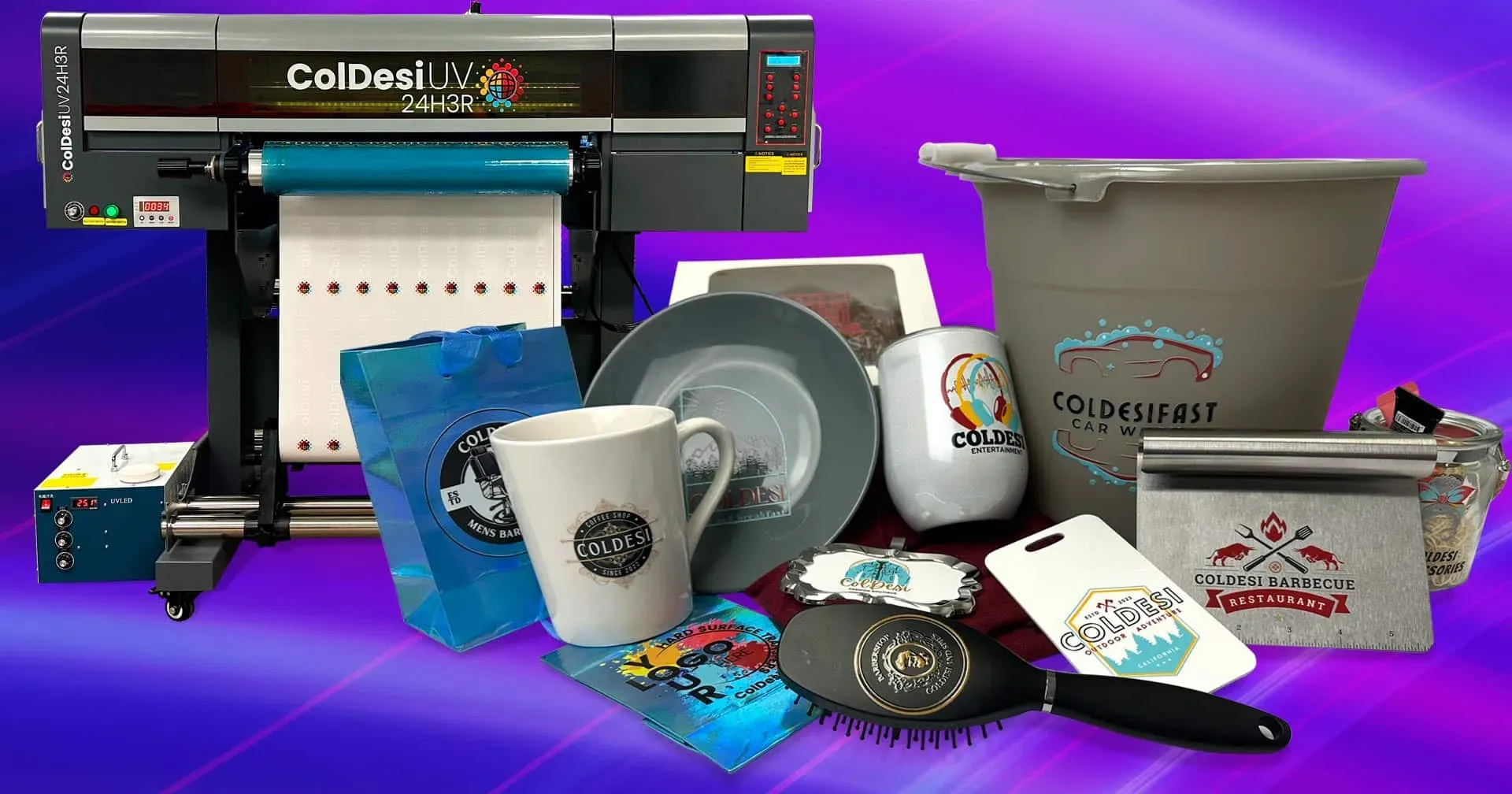
In the realm of printing technology, UV DTF printing stands out as a revolutionary method that transforms how businesses and individuals approach design applications. Harnessing the power of specialized UV inks, this technique allows vibrant images to be printed onto a variety of surfaces, from textiles to plastics, ensuring exceptional quality and durability. Unlike traditional printing methods such as screen printing and direct-to-garment (DTG) printing, UV DTF provides the flexibility to accommodate custom orders efficiently. With its instant curing technology, UV DTF advantages include faster turnaround times and the ability to produce unique, intricate designs without sacrificing quality. As the printing landscape evolves, understanding the nuances of UV DTF printing compared to its traditional counterparts is essential for making informed choices for your projects.
UV DTF printing, also known as ultraviolet direct-to-film printing, represents a cutting-edge advancement in the field of print technology. This innovative approach allows for striking designs to be transferred onto various materials while leveraging modern ink curing processes. In contrast to older methods like screen printing and direct-to-garment (DTG) printing, UV DTF offers a streamlined solution that suits both small custom jobs and large-scale productions alike. With its remarkable color vibrancy and durability, this technique is quickly becoming a preferred choice for businesses seeking high-quality prints that can stand the test of time. Exploring the features of UV DTF compared to traditional methods reveals its impressive potential in meeting contemporary printing demands.
The Evolution of Printing Technology
The evolution of printing technology has transformed the way designs are produced and disseminated. From the ancient art of woodblock printing to the advent of digital solutions, technology continues to shape the industry in ways previously unimaginable. Today's printing solutions—like UV DTF (Direct to Film) printing—offer enhanced capabilities that traditional methods, such as screen and DTG printing, cannot match. This modern approach provides businesses with the tools they need to meet the demands of a fast-paced market, where speed and precision are paramount.
Moreover, as industries move toward more sustainable practices, UV DTF printing stands out due to its reduced environmental impact. Unlike some traditional printing methods that often utilize solvent-based inks emitting volatile organic compounds (VOCs), UV DTF printing employs UV inks that cure instantly and are more eco-friendly. This shift signifies an essential step towards greener processes in printing technology, capturing the interest of both consumers and businesses alike.
Advantages of UV DTF Printing
UV DTF printing boasts numerous advantages, particularly in versatility and quality. Unlike traditional screen printing, which is limited to specific substrates, UV DTF can print on an extensive range of materials including textiles, plastics, and metals. This makes it an ideal choice for customized items in various industries, from promotional products to apparel. The sharpness and vibrancy of the printed images are results of advanced ink technology, ensuring that each design pops with color and detail, regardless of the material.
Furthermore, UV DTF prints are known for their durability. The curing process with ultraviolet light not only enhances adhesion to the substrate but also ensures that the prints are resistant to fading, scratching, and weathering. Consequently, products printed using this method can withstand outdoor conditions far better than those created through older techniques, reinforcing the trend towards UV technology among businesses looking to provide high-grade output for their customers.
Comparing UV DTF to Screen Printing
When it comes to comparing UV DTF to traditional screen printing, the differences are quite pronounced. Screen printing, while highly effective for large batch production, can be cumbersome for intricate designs due to its reliance on stencils that must be created for each color used in a design. This results in increased setup costs and longer turnaround times, particularly for small runs. In contrast, UV DTF printing eliminates the need for multiple setups, allowing for quicker transitions between different designs.
Moreover, the quality of prints generated by UV DTF often surpasses those achieved through screen printing. UV DTF allows for detailed graphics and vibrant color reproduction without sacrificing durability. This capability caters to businesses that require aesthetic appeal and long-lasting products, especially within competitive markets where presentation is key. As such, many companies are shifting their standards further towards digital and UV printing technologies.
Exploring Direct-to-Garment (DTG) Printing
Direct-to-Garment (DTG) printing is another popular method that competes closely with UV DTF printing. DTG utilizes inkjet technology to apply ink directly onto the fabric, making it perfect for detailed, full-color designs on textiles, such as t-shirts and hoodies. However, DTG printing is often restricted by the types of fabric it can print on as well as its overall durability compared to UV DTF.
While DTG may offer a stunning representation of full-color graphics, its longevity is sometimes compromised, especially if the inks aren’t properly cured or if the fabrics are incompatible. In contrast, UV DTF printing provides enhanced longevity as it bonds effectively with a variety of substrates. This makes it an advantageous choice for applications that demand not just beauty but resilience in the finished product.
Cost Analysis: UV DTF vs. Traditional Printing
Understanding the cost dynamics between UV DTF printing and traditional methods like screen printing is crucial for businesses budgeting for their projects. Although the initial setup costs for UV DTF can be higher, especially if special equipment is needed, it proves to be more economical for shorter runs or custom projects. In contrast, screen printing excels in bulk orders where the per-unit cost decreases significantly as the quantity increases.
This inherent difference makes it essential for businesses to assess their printing needs carefully. If a company expects to run multiple small-scale projects or custom prints, investing in UV DTF technology might deliver better long-term savings. On the other hand, for mass production of simpler designs, traditional printing methods could still be the way to go, highlighting the necessity for a strategic approach when selecting a printing technology.
Environmental Impact of Printing Technologies
The environmental impact of printing technologies is a concern that is gaining increasing attention among manufacturers and consumers alike. UV DTF printing is perceived as a more environmentally friendly option since it typically involves fewer harmful emissions. The use of UV inks, which cure almost instantly upon exposure to ultraviolet light, results in reduced volatile organic compounds (VOCs) released into the atmosphere, making it a more responsible choice in terms of ecological footprint.
In contrast, traditional methods, particularly those involving solvent-based inks, can contribute significantly to air pollution and may have harmful effects on health and the environment. Companies looking to improve their environmental impact may find that transitioning to UV DTF printing aligns better with sustainability goals, while still maintaining high quality and versatility in their printed products. This approach not only benefits businesses but also appeals to an increasing market of eco-conscious consumers.
Frequently Asked Questions
What are the advantages of UV DTF printing compared to traditional printing methods?
UV DTF printing offers several advantages over traditional printing methods like screen printing and DTG. One major advantage is its capability to print on a diverse range of substrates, including textiles, plastics, and metals. Additionally, UV DTF prints are characterized by vibrant colors and durability, as UV inks cure instantly under ultraviolet light, resulting in prints that are resistant to fading. This makes UV DTF printing an ideal choice for custom orders and intricate designs.
How does UV DTF printing technology differ from traditional methods like screen printing?
Unlike screen printing, which relies on physical screens and ink stencils, UV DTF printing involves transferring images printed on film onto various surfaces. This technology allows for quicker setup times and lower costs for small orders, making it more efficient for intricate designs. While screen printing is best for bulk orders due to its lower cost per unit, UV DTF stands out for its versatility and the quality of prints across different materials.
Is UV DTF printing more environmentally friendly than traditional printing methods?
Yes, UV DTF printing is generally considered more environmentally friendly than many traditional printing methods. UV inks emit fewer volatile organic compounds (VOCs) compared to solvent-based inks often used in screen printing and other methods. As a result, businesses opting for UV DTF technology can contribute to a healthier environment while achieving high-quality prints.
Can UV DTF printing achieve the same durability as screen printing?
Yes, UV DTF printing can achieve durability that rivals that of screen printing. The curing process of UV inks makes the prints resistant to fading and wear, suitable for both indoor and outdoor applications. While screen printing is well-known for its deep ink penetration and longevity, UV DTF can provide vibrant and long-lasting results, particularly for complex and detailed designs.
What types of projects are best suited for UV DTF printing compared to traditional printing methods?
UV DTF printing is best suited for projects requiring customization, intricate graphics, or low-volume orders. It excels in scenarios where quick turnaround times and versatility across materials are essential. Conversely, traditional printing methods like screen printing shine in larger production runs where cost-effectiveness and simplicity are prioritized.
How do costs for UV DTF printing compare to traditional printing technologies?
The costs associated with UV DTF printing can be higher initially due to setup and equipment investment; however, it becomes cost-effective for small batches and customized orders due to reduced setup time per design. In contrast, traditional methods like screen printing offer lower costs for bulk orders, making them ideal for high-volume projects, but they may be less economically viable for intricate small runs.
| Key Feature | UV DTF Printing | Traditional Printing Methods |
|---|---|---|
| Process and Technology | Printing on a film, versatile materials (textiles, plastics) | Involves stencils (screen printing) or direct ink application (DTG) |
| Quality and Durability | Vibrant colors, durable, UV inks withstand fading | Screen printing offers deep penetration; DTG supports full-color but varies by substrate |
| Cost and Efficiency | Higher initial setup cost; efficient for low-volume, custom orders | Lower per-item cost for bulk orders; less efficient for complex designs |
| Environmental Considerations | Lower VOC emissions; more eco-friendly options | Some methods still use harmful solvent-based inks |
| Market Trends | Growing popularity due to customization and efficiency | Traditional methods still strong for bulk but face competition |
Summary
UV DTF printing is a revolutionary method that is reshaping the landscape of the printing industry. Unlike traditional methods such as screen printing and direct-to-garment printing, UV DTF printing provides a versatile, high-quality solution for a wide range of substrates, making it highly adaptable to various projects. This modern technique not only addresses the need for vibrant graphics and long-lasting durability but also caters to the increasing demand for customizable prints with lower production volumes. As businesses pivot towards more sustainable and efficient printing methods, UV DTF printing stands out as an exceptional choice for those seeking innovation in their printing applications.