
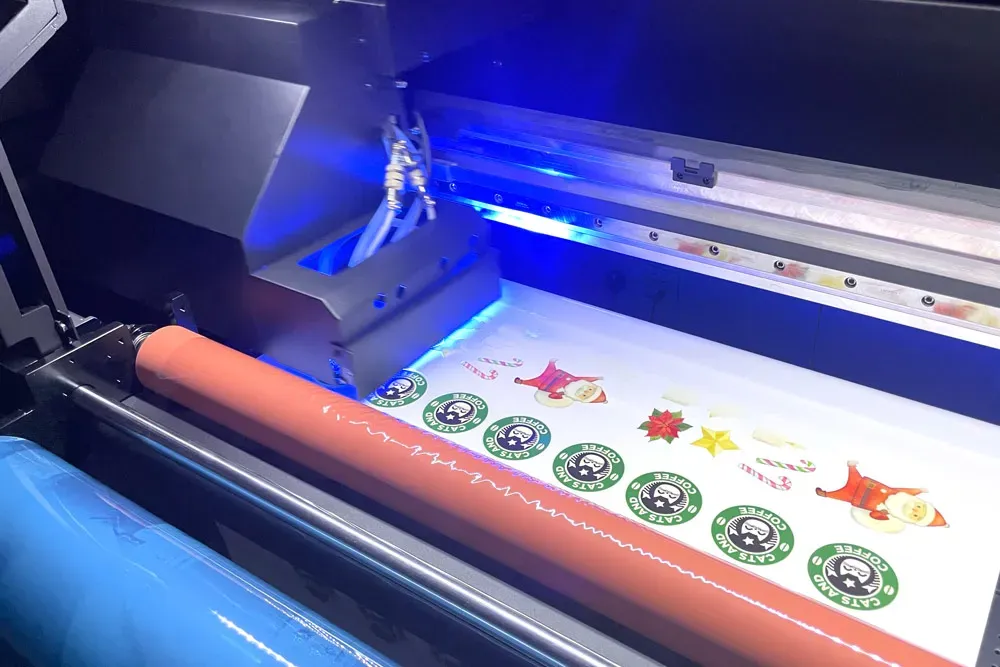
The world of custom apparel design is being transformed by the remarkable capabilities of UV DTF printing, a cutting-edge technique that stands for ultraviolet direct-to-film printing. This innovative method enhances the quality and efficiency of printing processes, allowing designers and manufacturers to produce vibrant, high-resolution prints on a variety of fabrics. With a focus on providing tailored solutions, UV DTF printing empowers businesses to explore new opportunities in the market, from creating unique clothing pieces to offering personalized items that resonate with customers. By integrating DTF transfer services, companies can further streamline their production workflows and enhance their product offerings, ensuring they stay competitive. As technology evolves, personal UV printers and advancements like 3D texture printing will revolutionize the landscape of custom apparel technology, making it accessible for creators of all levels.
In today’s fashion industry, a fresh approach is reshaping the way we think about textile printing: UV DTF or ultraviolet direct-to-film printing. This advanced printing technique marries the benefits of traditional methods and digital innovations, appealing to those in the custom clothing sector. Utilizing personalized UV printers, manufacturers can achieve stunning detail and color vibrancy, while simultaneously reducing production times compared to older processes. The introduction of 3D texture printing capabilities elevates designs, allowing for a tactile experience that's increasingly in demand among consumers. As this technology permeates the market, custom apparel creators are better equipped than ever to develop unique, high-quality products catered specifically to their audience.
Understanding the Basics of UV DTF Printing
UV DTF printing, or ultraviolet direct-to-film printing, represents a groundbreaking advancement in the realm of custom apparel design. This technique is a hybrid process that combines the rapid output of digital printing with the high-quality finishes typically associated with traditional methods. By using UV light to cure the inks as they are applied to the film, designers can achieve an astonishing level of detail and vibrancy in their prints. This method not only allows for stunning image reproduction but also significantly reduces production costs and time, making it highly appealing to new and existing apparel businesses.
Moreover, what sets UV DTF printing apart is its versatility. It can be utilized on a variety of substrates, ranging from cotton to more unconventional materials like polyester and leather. This flexibility opens up a world of possibilities for custom apparel technology, allowing designers to cater to niche markets and respond to unique customer requests. As a result, UV DTF printing is quickly becoming the preferred choice for many in the apparel industry.
Key Advantages of UV DTF Printing
One of the standout benefits of UV DTF printing is its remarkable quality and durability. Unlike conventional inks, UV inks are formulated to be resistant to fading, which means that garments printed using this technique will retain their vibrancy even after multiple washes. This quality assurance plays a critical role in customer satisfaction, as end users are looking for products that not only look good on purchase but also stand the test of time. For businesses, this means fewer returns and increased loyalty from customers who appreciate durable products.
Another significant advantage is the reduced turnaround time associated with UV DTF printing. Traditional printing processes often require lengthy drying times and multi-step procedures for preparing materials. In contrast, UV DTF printing streamlines this process, enabling businesses to fulfill orders in a fraction of the time. This efficiency is crucial in today's fast-paced market, where customers increasingly demand quick responses and rapid delivery of products.
Market Trends Driven by UV DTF Printing
The rise in popularity of UV DTF printing has led to various market trends that are reshaping the industry. Small businesses and entrepreneurs are leveraging this technology to differentiate their product offerings, creating unique apparel that stands out in a crowded marketplace. This trend toward personalization and custom design has opened the door for individuals to express their creativity, allowing them to experiment with designs, textures, and materials in ways that were previously challenging or cost-prohibitive.
Moreover, with the increased emphasis on sustainability and responsible production, UV DTF printing aligns well with these values. It enables businesses to create limited edition collections that minimize waste and appeal to eco-conscious consumers seeking more thoughtful fashion choices. As this technology continues to evolve, its influence on market dynamics will likely grow, further emphasizing the importance of innovation in the apparel design landscape.
Applications of UV DTF Printing in Custom Apparel
The applications of UV DTF printing in the custom apparel sector are vast and varied. Entrepreneurs can utilize this technique for creating bespoke t-shirts, hoodies, and accessories that reflect the unique styles and preferences of their customers. This technology makes it feasible to bring niche designs to life quickly, catering to discerning customers who appreciate individualized apparel.
Additionally, businesses can also leverage UV DTF printing for promotional merchandise, wherein they create eye-catching items that effectively represent their brand. The ability to produce high-quality, durable prints without the long lead times associated with traditional methods empowers companies to run efficient marketing campaigns while maintaining a professional image. This has proven especially beneficial for startups and small businesses aiming to make their mark in the competitive apparel landscape.
Personal UV Printers: Revolutionizing the Design Process
The advent of personal UV printers, such as the eufyMake E1, is revolutionizing the apparel design process by providing individuals with the tools they need to create intricate textures and designs right at their desks. These compact, innovative machines are designed for ease of use, enabling users to explore and implement custom textures, which were once only available through industrial printers. As a result, the barrier to entry for aspiring designers and small businesses is lower than ever.
This democratization of printing technology allows for greater creativity in the custom apparel market. Users can experiment with 3D texture printing and other features available in personal UV printers, which expands the artistic possibilities for custom designs. By harnessing these capabilities, even those without extensive technical backgrounds can produce eye-catching apparel that stands out in the marketplace.
The Future of Custom Apparel Design with UV DTF Printing
As UV DTF printing technology continues to advance, it is becoming increasingly clear that it will play a central role in the future of custom apparel design. The efficiency and quality associated with this method are appealing to both established brands looking to innovate and newcomers seeking to enter the industry. In particular, the technology's ability to create detailed designs quickly and cost-effectively positions it as a game-changer for how apparel is manufactured, marketed, and sold.
Moreover, as consumer preferences shift towards personalized and unique apparel, businesses will need to adapt to meet these demands. The versatility and speed of UV DTF printing align perfectly with this trend, allowing brands to offer a diverse range of products tailored to specific customer needs. As we look ahead, the intersection of technology and creativity will surely lead to an exciting evolution in the landscape of custom apparel.
Frequently Asked Questions
What advantages does UV DTF printing offer for custom apparel design?
UV DTF printing provides several advantages for custom apparel design, including vibrant colors, high durability, and the ability to print on various fabrics. This technology simplifies the printing process, eliminating the need for pre-treating garments, and allows for quick turnaround times, making it ideal for businesses looking to offer personalized apparel solutions.
How does UV DTF printing differ from traditional custom apparel printing methods?
Unlike traditional custom apparel printing methods, UV DTF printing uses ultraviolet light to cure ink directly onto the fabric, which enhances color vibrancy and durability. While traditional methods may require lengthy processes such as pre-treating or multiple printing passes, UV DTF streamlines production, offering a faster and more cost-effective solution for businesses.
What are the applications of UV DTF printing in the custom apparel industry?
UV DTF printing is widely used in the custom apparel industry for creating unique designs, promotional merchandise, and limited edition collections. Its versatility allows brands to experiment with different materials and styles, catering to individual customer preferences while ensuring high-quality and long-lasting prints.
Can small businesses benefit from UV DTF printing technologies?
Yes, small businesses can greatly benefit from UV DTF printing technologies as it lowers overhead costs and reduces production times. This enables them to produce high-quality custom apparel swiftly and affordably, helping them compete in a crowded market and meet varying customer demands efficiently.
What role do personal UV printers play in custom apparel technology?
Personal UV printers, such as the innovative eufyMake E1, play a crucial role in custom apparel technology by allowing individuals and small businesses to create and experiment with custom designs and 3D textures. This accessibility empowers a new wave of creativity in the custom apparel market, especially for those looking to offer unique products.
How does UV DTF printing ensure durability in designs?
UV DTF printing ensures durability in designs through the use of UV inks that are resistant to fading and washing. This means that custom apparel printed with UV DTF technology maintains vibrant colors and quality even after multiple washes, making it suitable for everyday wear and long-lasting promotional items.
| Key Points | Details |
|---|---|
| Introduction to UV DTF Printing | UV DTF printing is transforming custom apparel design with quality and efficiency. |
| What is UV DTF Printing? | Combines DTG and digital printing, using UV light for curing ink, allowing for vibrant, detailed prints on numerous fabrics. |
| Key Development 1: Sam's DTF Transfers | Emerging leader in U.S. custom apparel printing, providing in-house DTF transfer services and catering to personalized solutions. |
| Key Development 2: Personal UV Printers | Innovative personal 3D texturing printers enable users to create custom textures on apparel, democratizing the design process. |
| Market Trends and Applications | UV DTF printing appeals to small businesses for unique apparel designs, promotional merchandise, and limited editions. |
| Benefits of UV DTF Printing | Includes quality, versatility, reduced turnaround times, and customization options. |
Summary
UV DTF printing is an innovative approach that is dramatically impacting how custom apparel is created. By integrating the strengths of traditional printing methods with modern technology, UV DTF printing not only enhances the quality of designs but also introduces efficiency and flexibility into the production process. This new method supports a wide range of fabrics and surfaces, allowing designers and businesses to experiment with bold colors and intricate designs. As seen with successful companies like Sam's DTF Transfers and cutting-edge products such as personal UV printers, UV DTF printing heralds a new era in personalized apparel solutions, empowering creatives and entrepreneurs to meet diverse consumer demands. The sustainable design capabilities, alongside the ability to rapidly fulfill unique customer requests, suggest that UV DTF printing will continue to grow and redefine the future of the custom apparel industry.