
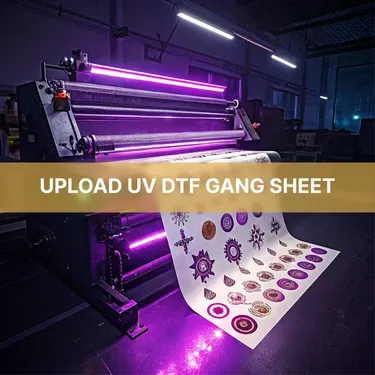
UV DTF Gangheet is revolutionizing the world of custom prints by merging UV printing technology with the highly effective Direct-to-Film method. This cutting-edge approach expands the horizons of personalized printing, enabling vibrant designs to be applied to an array of materials with incredible precision and durability. In recent years, this innovation has become pivotal for brands seeking to elevate their marketing strategies and deliver customized products to meet consumer demands. Given its unique advantages, including faster turnaround times and enhanced color fidelity, UV DTF technology is swiftly reshaping the landscape of printing. Businesses that adopt UV DTF Gangheet are not just keeping up with market trends; they are setting new standards in the realm of custom and personalized prints.
As we delve deeper into the realm of advanced printing solutions, it's crucial to highlight the significance of DTF technology coupled with ultraviolet curing methods. This combination, often referred to as **UV DTF printing**, presents a fresh and innovative approach to creating customized designs that are both striking and long-lasting. The versatility of this printing technique allows for personalization across various substrates, transforming traditional printing practices into a modernized, eco-friendly solution. Moreover, terms like 'UV printing' and 'customized printing' become increasingly relevant as industries seek to meet the growing consumer appetite for unique products. Ultimately, embracing these innovative printing technologies signifies a leap into the future of digital customization.
Exploring the Mechanics of UV DTF Printing
UV DTF, or Direct-to-Film printing, is revolutionizing the custom printing landscape with its unique mechanism that allows for high-quality prints on various surfaces. This technology utilizes UV-curable inks that are applied onto a specialized film, which is then cured using ultraviolet light. The curing process enables the inks to solidify instantly, resulting in vibrant colors and sharp details that are essential for high-quality custom prints. The adaptability of UV DTF allows for its application across different substrates including textiles, plastics, and metal, making it an incredibly versatile solution for businesses.
Additionally, the mechanics behind UV DTF also lend themselves to a seamless transfer process. Once the ink is cured onto the film, it can be easily transferred onto an object, ensuring durability and longevity. This flexibility is a game-changer for industries such as apparel and promotional products where customization is critical. The ability to produce intricate designs quickly and efficiently enables businesses to meet market demands while maintaining quality, showcasing why UV DTF is becoming a preferred choice for personalized printing.
Advantages of UV DTF Over Traditional Printing Methods
The advantages of UV DTF printing are numerous and compelling. Unlike traditional printing methods that may require extensive setup and longer turnaround times, UV DTF offers efficiency that is crucial in today’s fast-paced market. One of the standout features is its durability; prints made using UV DTF technology are highly resistant to environmental factors such as UV rays, moisture, and physical abrasion. This makes them ideal for a range of applications from outdoor advertising to fashion wear, where longevity is paramount.
Moreover, UV DTF significantly streamlines the printing process by reducing waste. Because it allows for on-demand printing, businesses can avoid excess inventory and dead stock, which not only saves costs but also aligns with sustainability practices. In an era where eco-friendly solutions are gaining momentum, businesses adopting UV DTF can appeal to a more environmentally conscious consumer base, enhancing their brand value while optimizing production.
The Growth of UV DTF Technology in Custom Prints
The landscape of custom prints is very dynamic, and the emergence of UV DTF technology plays a significant role in its evolution. In recent years, there has been a notable shift towards personalization, with brands seeking ways to differentiate themselves in a crowded marketplace. UV DTF printing caters precisely to this need, offering high-quality, detailed prints that can be customized rapidly and efficiently. As more businesses recognize the benefits of personalized printing, the demand for UV DTF solutions continues to rise.
Moreover, the increase in e-commerce and online custom print services has further propelled the growth of UV DTF technology. With consumers seeking unique products tailored to their specifications, businesses are increasingly investing in UV DTF capabilities. Analysts forecast that as this technology becomes more accessible, its presence in both commercial and artisanal print sectors will solidify, marking several advancements in printing technology that cater to the evolving consumer landscape.
Challenges and Considerations in Adopting UV DTF Gangheet
While UV DTF technology presents numerous advantages, several challenges need to be addressed for broader adoption. The initial cost of acquiring UV DTF printing equipment can be significant, which may deter smaller businesses from making the investment. Additionally, the complexity of the UV DTF process requires skilled personnel who understand the nuances of the technology to ensure high-quality output. These operational challenges can impede the seamless integration of UV DTF within existing workflows.
Furthermore, businesses must navigate the learning curve associated with promoting this new technology among their customer base. As UV DTF is relatively novel, there may be a need for education and marketing strategies that clearly convey its advantages over traditional methods. By overcoming these hurdles—such as costs, training, and consumer education—companies can effectively tap into the vast potential that UV DTF Gangheet technology offers.
Integrating UV DTF Technology into Business Strategy
As UV DTF technology continues to gain traction, it's essential for businesses to incorporate it into their broader digital transformation strategies. Those who adapt successfully will position themselves as leaders in the custom print industry. Businesses need to consider how UV DTF can enhance their offerings, streamline processes, and respond to consumer demand for personalized products. Integrating UV DTF could be the key differentiator for brands looking to stay relevant in an ever-changing market.
Moreover, embracing UV DTF technology means investing not only in equipment but also in understanding market trends and consumer preferences. As advancements in printing technology evolve, companies must remain agile, ready to adapt their strategies in response to new opportunities. By leveraging UV DTF effectively, businesses can foster innovation, minimize waste, and ultimately drive customer satisfaction through higher-quality, customized prints.
Future Prospects of UV DTF and Custom Prints
The future of UV DTF technology looks promising as innovation and consumer demand continue to shape the custom printing landscape. With more research and development focused on improving ink formulations and print machinery, the capabilities of UV DTF will only expand. This will likely lead to even more intricate and vibrant designs that meet the diverse needs and preferences of consumers across various industries.
Additionally, as businesses increasingly prioritize sustainable practices, UV DTF's eco-friendly attributes align well with market expectations. The push for customized, eco-conscious products ensures that UV DTF printing will remain relevant and crucial in the years to come. Companies that embrace these trends and invest in UV DTF technology will find themselves well-placed to thrive amid rapid advancements in printing technologies and growing consumer preferences for personalized, high-quality outputs.
Frequently Asked Questions
What is UV DTF Gangheet and how does it work?
UV DTF Gangheet is a printing technology that uses UV-curable inks on specialized film substrates to create vibrant custom prints. This method allows for durable and flexible designs that adhere to various surfaces, making it ideal for applications ranging from textiles to plastics.
What are the key advantages of using UV DTF Gangheet for custom prints?
The primary advantages of UV DTF Gangheet include exceptional durability, eco-friendliness due to reduced waste, and unparalleled customization flexibility. These features allow businesses to produce high-quality personalized prints that meet diverse customer needs.
How does UV DTF printing differ from traditional printing methods?
Unlike traditional printing methods, UV DTF printing combines the durability of UV inks with the ease of transfer printing. This results in vivid, long-lasting prints that can be applied to a wider range of materials, making it a versatile choice for custom printing.
Why is UV DTF Gangheet gaining popularity in the printing industry?
The rising popularity of UV DTF Gangheet in the printing industry is driven by the increasing demand for personalized products, especially in apparel and promotional items. Its quick turnaround time and ability to handle small to medium orders efficiently make it a favored choice among businesses.
What challenges might businesses face when adopting UV DTF Gangheet technology?
Businesses looking to adopt UV DTF Gangheet technology may face challenges such as high initial setup costs and the need for skilled personnel. Understanding the technical aspects of UV DTF printing is crucial for successful operation and maximizing its potential.
How can businesses stay competitive using UV DTF Gangheet in their offerings?
To stay competitive with UV DTF Gangheet technology, businesses should integrate it into their digital transformation strategies, keep up with industry trends, and continuously innovate their printing capabilities to cater to the growing market for custom prints.
| Key Points | Details |
|---|---|
| Definition | UV DTF Gangheet combines UV printing technology with transfer printing for robust and flexible custom prints. |
| Advantages | 1. **Durability**: Resistant to fading and scratching. 2. **Eco-Friendly**: Minimizes waste via on-demand printing. 3. **Customization Flexibility**: Allows intricate designs and vibrant colors. |
| Market Trends | Increasing interest in UV DTF across sectors, especially fashion and advertising, due to personalized production demands. |
| Challenges | High initial setup costs and the need for skilled operators may hinder adoption. |
| Industry Insights | Integrating UV DTF into business strategies is essential for staying competitive in the evolving print market. |
Summary
UV DTF Gangheet technology marks a significant milestone in the evolution of custom prints, offering a combination of durability, flexibility, and eco-friendliness that traditional methods struggle to match. This innovative approach is carving a niche in a competitive landscape, allowing businesses to achieve vibrant and long-lasting designs that cater to unique demands. As the interest and investment in UV DTF technology grow, it becomes increasingly clear that this printing method is not just a trend but a cornerstone for the future of custom printing. By understanding its advantages and navigating the associated challenges, businesses can position themselves at the forefront of this revolution, ensuring their offerings remain relevant and appealing in an ever-changing marketplace.