
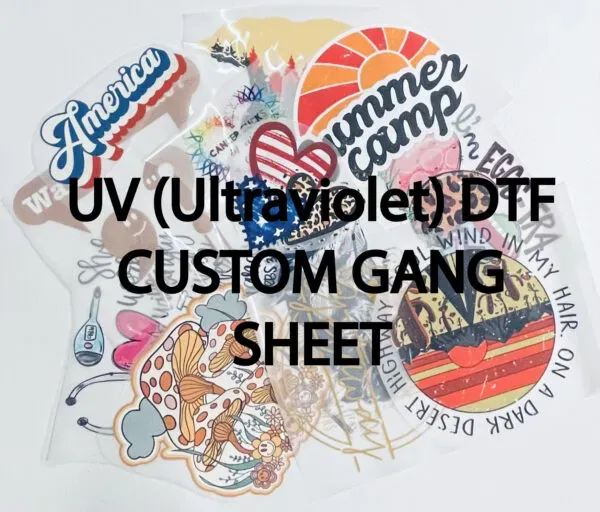
In the ever-evolving landscape of the textile industry, UV DTF Gangheet is emerging as a game-changer, offering cutting-edge solutions for custom fabric printing. This innovative UV Direct to Film (DTF) printing technology not only excels in producing high-quality prints rapidly but also champions sustainable textile printing practices. By enhancing efficiency and minimizing waste, UV DTF Gangheet is fostering a new era of creativity and productivity in manufacturing. As brands increasingly seek eco-friendly solutions, the versatility of UV DTF printing across various substrates ensures that designers can meet diverse consumer demands with ease. Join us as we explore the remarkable advantages of UV DTF Gangheet and its profound impact on textile sector innovation.
Breaking down barriers in modern fabric decoration, UV DTF Gangheet represents a significant shift in the way textiles are printed and produced. Known as UV Direct to Film printing, this technology employs sophisticated digital textile technology to deliver vibrant and intricate designs on a variety of materials. It marks a move towards sustainable practices that appeal to an environmentally-conscious market, while still enabling customization and unique fabric creations. The fusion of speed and precision in this printing method allows businesses to adapt quickly to consumer trends, a crucial factor in today's fast-paced retail environment. This article will delve into the many facets and transformative possibilities that UV DTF printing holds for the future of the textile industry.
The Evolution of UV DTF Printing
UV DTF printing represents a significant advancement in the textile industry, characterized by its ability to combine high-quality output with efficiency and sustainability. Unlike traditional printing methods that often waste materials and time, UV DTF utilizes a unique direct-to-film process that enhances speed and precision. This modern technique not only results in vibrant, durable prints but also promotes a more environmentally friendly approach by minimizing waste and reducing the use of harmful materials. As a result, businesses using UV DTF can effectively decrease their carbon footprint while meeting the demand for high-quality, customized textiles.
Furthermore, the evolution of UV DTF printing aligns with growing consumer expectations for rapid delivery and personalization in the textile market. With advanced digital textile technology, manufacturers can quickly adapt to changing trends, offering tailored designs that cater to specific consumer preferences. The capability to produce custom fabric options enhances a brand's ability to stand out in a crowded market, empowering companies to engage with eco-conscious consumers who prioritize sustainability in their purchasing decisions.
Sustainability in UV DTF Gangheet
In today's textile industry, sustainability has become a critical concern for both manufacturers and consumers. UV DTF Gangheet significantly contributes to sustainable textile printing through its efficient use of resources and eco-friendly practices. By employing UV inks that reduce the number of volatile organic compounds (VOCs) released during the printing process, manufacturers can create textiles that are not only vibrant but also environmentally responsible. This reduction in harmful emissions resonates with consumers who increasingly seek out brands committed to green practices.
Moreover, UV DTF technology minimizes waste by allowing for precise printing directly onto the desired substrates, eliminating the need for excessive trial runs that typically generate fabric scraps. This innovation not only streamlines the production process but also reduces inventory waste, making it a win-win for manufacturers looking to adopt more sustainable practices. As the demand for environmentally friendly textiles continues to rise, UV DTF Gangheet positions itself as a frontrunner in the transition towards a more sustainable textile industry.
Customization Trends in the Textile Industry
The trend towards customization within the textile industry is rapidly gaining momentum, driven by the increasing consumer desire for unique, personalized products. UV DTF printing technology excels in this realm, as it allows for efficient production of small runs of customized items without compromising on quality. This capability meets the growing demand for custom fabric printing, ranging from specialized apparel to distinctive home decor items. Brands that leverage UV DTF Gangheet can cater to diverse customer preferences, greatly enhancing their market appeal.
In addition to fulfilling consumer requirements for bespoke textiles, customized UV DTF printing also empowers designers to experiment with innovative designs and artistic expressions. By enabling the application of intricate patterns and a variety of textures with relative ease, UV DTF opens the door to endless creative possibilities. As more brands recognize the importance of customization, UV DTF Gangheet stands out as a pivotal technology that helps them connect with consumers on a deeper level.
Speed and Efficiency in Production
In an industry where time is of the essence, the introduction of UV DTF printing has dramatically improved production speed and efficiency. This advanced technique allows manufacturers to produce high-quality printed textiles at unprecedented rates, responding swiftly to market demands. The rapid curing process enabled by UV technology leads to shorter drying times, substantially speeding up overall turnaround times. As a result, businesses can meet tight deadlines and adjust their offerings to reflect current trends, fulfilling orders with impressive efficiency.
Furthermore, the increased efficiency associated with UV DTF printing translates into significant cost savings for manufacturers. By reducing operational time and material waste, companies can optimize their production processes, leading to lower manufacturing costs. This financial advantage not only increases profitability but also allows businesses to invest further in innovation and quality improvement. As the demand for quick and efficient production grows, UV DTF Gangheet is solidifying its status as an essential asset in modern textile manufacturing.
Impact of Digital Textile Technology
The rise of digital textile technology has revolutionized the way fabrics are printed and manufactured. UV DTF printing is a prime example of this shift, facilitating a level of precision and customization previously unattainable with traditional methods. The integration of digital technologies into textile production not only enhances the quality of printed designs but also supports more sustainable practices by reducing waste and energy consumption. With its capacity to print directly onto various fabric types, UV DTF technology offers manufacturers a versatile solution that meets modern market demands.
Additionally, this digital advancement enables greater creativity within the design process, allowing for complex graphics and vibrant color palettes that cater to the latest fashion trends. As designers explore the potential of UV DTF Gangheet, they uncover new techniques and styles that push the boundaries of textile design. This embrace of technological innovation empowers brands to stay relevant in the competitive market, keeping pace with consumer preferences while driving the industry forward.
Conclusion: The Future of UV DTF Gangheet
Looking ahead, UV DTF Gangheet is poised to play a vital role in shaping the future of the textile industry. As companies continue to prioritize sustainability, efficiency, and customization, the adoption of UV DTF printing technology will likely increase. Its ability to produce high-quality fabrics quickly and with less environmental impact positions it as an indispensable tool for modern manufacturers. This evolution reflects a broader commitment to embracing technological advancements that meet the challenges of a dynamic consumer landscape.
Furthermore, as more brands integrate UV DTF solutions into their production strategies, the implications for creativity, market responsiveness, and overall industry innovation will be profound. The ongoing development of digital textile technology will spur further advancements, encouraging the textile sector to explore new horizons in customization and sustainability. Ultimately, UV DTF Gangheet stands as a testament to the textile industry's transformation, showcasing how innovation can lead to a brighter and more sustainable future.
Frequently Asked Questions
What is the process of UV DTF printing in the textile industry?
UV DTF printing, also known as UV DTF Gangheet, utilizes advanced technology to print high-resolution designs onto various fabrics. The process involves applying UV-curable ink onto a film, which is then transferred onto the fabric using heat and pressure, resulting in vivid, durable prints that are perfect for the textile industry.
How does UV DTF Gangheet enhance customization in fabric printing?
UV DTF Gangheet excels in providing customization in fabric printing by allowing manufacturers to produce small runs of unique designs without compromising on quality. This technology caters to the growing consumer demand for personalized textiles, making it increasingly popular for custom fabric printing in diverse markets.
What are the sustainability benefits of UV DTF printing?
UV DTF printing offers significant sustainability benefits in the textile industry by using inks with reduced volatile organic compounds (VOCs) and employing less energy during the curing process. This approach minimizes waste and promotes eco-friendly practices, appealing to consumers who prioritize sustainable textile printing.
How is UV DTF Gangheet revolutionizing the efficiency of textile production?
UV DTF Gangheet revolutionizes textile production efficiency by enabling quick turnaround times and reducing setup waste. This technology allows manufacturers to print directly onto desired fabrics with fewer adjustments, leading to lower operational costs and increased productivity in the competitive textile industry.
What advantages does UV DTF Gangheet provide over traditional printing methods?
Compared to traditional printing methods, UV DTF Gangheet offers superior color accuracy, versatility across various fabric types, and quicker drying times. These advantages result in higher-quality finished products, making it a preferred choice for manufacturers looking to innovate in custom fabric printing.
Why is UV DTF printing significant for the future of the textile industry?
UV DTF printing is significant for the future of the textile industry because it combines quality, sustainability, and customization in one process. As manufacturers embrace this digital textile technology, it helps them adapt to market demands, reduce waste, and enhance creative design possibilities, ensuring growth and innovation remain at the forefront.
| Key Point | Description |
|---|---|
| What is UV DTF Printing? | An advanced printing technique allowing high-resolution designs on various fabrics using UV light for curing ink, enhancing drying time and substrate compatibility. |
| Advantages | Key benefits include superior print quality, versatility in fabric types, sustainability through reduced waste, efficiency in operations, and the ability to customize products easily. |
| Impact on the Textile Industry | UV DTF is reshaping the industry by reducing waste, enabling quick turnaround times, bridging offline and online markets, and enhancing creative design possibilities. |
Summary
UV DTF Gangheet represents a significant leap in textile printing technology, emphasizing quality, sustainability, and efficiency. This innovative process not only addresses industry challenges but also meets the growing consumer demand for unique and customized products. As manufacturers increasingly adopt UV DTF, the potential for reduced waste and quicker production times positions it as a critical player in the modern textile landscape. The future of textile manufacturing looks bright with the integration of UV DTF Gangheet, paving the way for an exciting era of creativity and growth.