
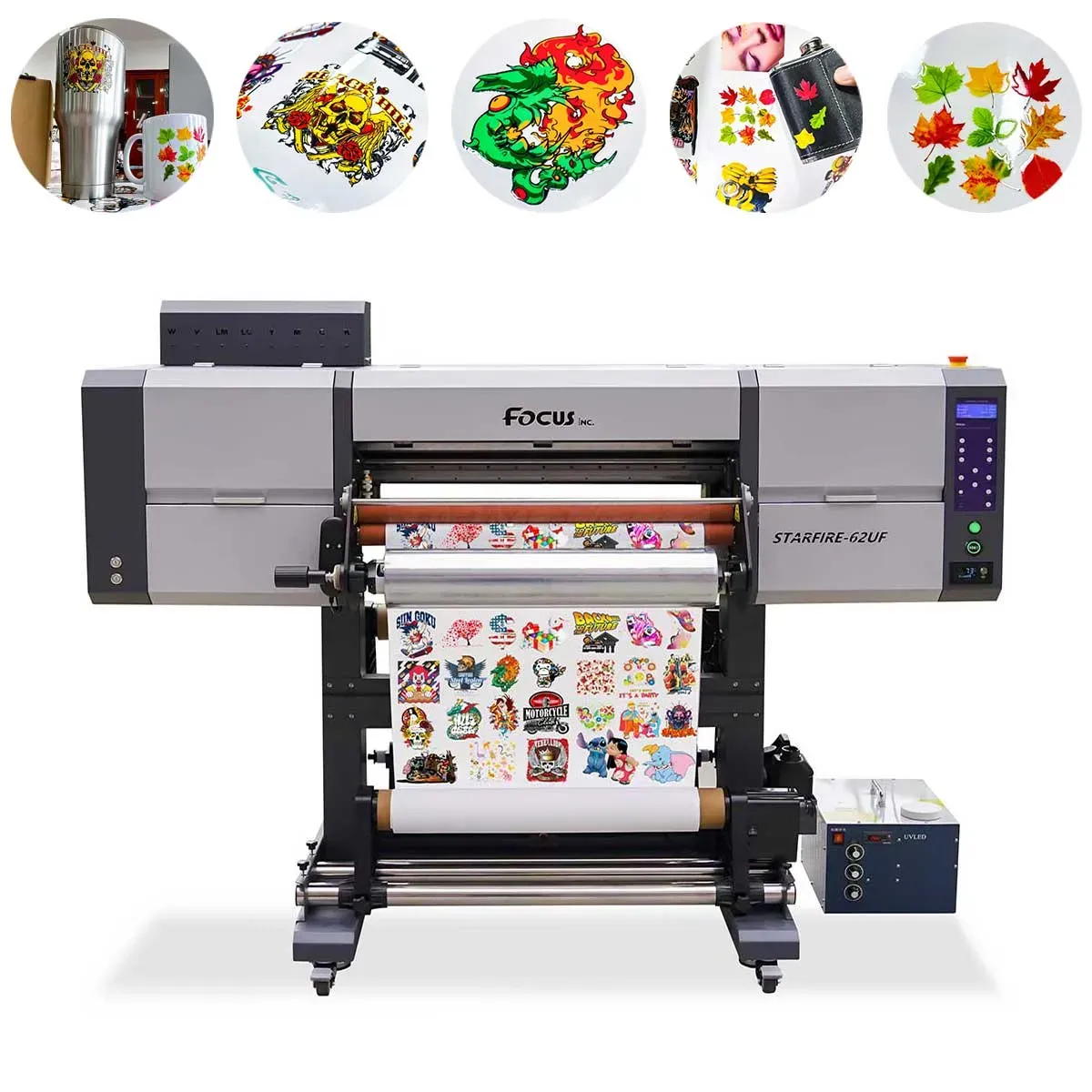
UV DTF Gangheet Printing represents a breakthrough in the realm of custom printing, seamlessly integrating UV printing technology with a Direct to Film (DTF) method. This cutting-edge approach allows for the creation of stunning, high-quality graphics on a diverse array of materials, making it a favored choice for personalized apparel and promotional items. As businesses strive to meet the increasing consumer demand for unique products, UV DTF printing stands out for its efficiency, speed, and versatility. Additionally, its alignment with sustainable printing practices and reduced VOC emissions positions it as a responsible choice in today's eco-conscious market. Embracing digital printing innovations, UV DTF is set to redefine the boundaries of creativity in the printing industry.
The innovative landscape of Gangheet printing, specifically through UV DTF methods, is reshaping the perception of customized printing solutions. Merging the advantages of direct-to-film applications with advanced UV inks, this technique offers unparalleled quality in graphic reproduction across multiple substrates. As we delve into this topic, known for its capacity to enhance personalization and detail, the possibilities for businesses looking to expand their product lines are immense. With a focus on sustainability and efficient production times, this technology is not only elevating the standards of digital printing but also catering to the evolving demands of today's consumers seeking bespoke items. Overall, the growth trajectory of this printing methodology is indicative of a broader trend towards innovation within the customized goods market.
What is UV DTF Gangheet Printing?
UV DTF Gangheet printing represents a breakthrough in the world of digital printing technology by merging UV ink's benefits with the DTF approach. This method capitalizes on UV printing technology, enabling the creation of vibrant, high-quality graphics on a diverse range of surfaces. Because UV inks cure rapidly when exposed to UV light, this process minimizes drying times and allows for instant handling of printed materials. Therefore, UV DTF printing is ideal for both large-scale production runs and custom projects where efficiency and quality are paramount.
The versatility of UV DTF Gangheet printing is also a significant advantage; it can adapt to various substrates such as textiles, plastics, wood, and metal. As a result, businesses can expand their product offerings beyond typical printing services, catering to a broad spectrum of consumer preferences. This adaptation to multiple materials enables customization that resonates with modern consumers' desire for personalized products, making UV DTF a compelling choice for businesses interested in standing out in a saturated market.
In summary, UV DTF Gangheet printing is an innovative solution that meets the need for high-quality, customizable prints. Its fast production times combined with the ability to work on different materials make it a preferred choice in the printing industry.
Benefits of UV Printing Technology
One of the primary benefits of UV printing technology is its ability to deliver exceptional color accuracy and detail, which is crucial for businesses seeking to maintain a competitive edge. The advanced inks used in UV DTF printing produce vivid colors that can make each design pop, allowing for intricate patterns and fine details that appeal to consumers. This capability not only enhances the aesthetic value of printed products but also establishes a brand's reputation for quality, which is essential in today's visually driven marketplace.
Additionally, UV printing technology is environmentally conscious, boasting lower emissions of harmful substances compared to traditional solvent-based printing methods. This sustainable printing solution appeals to eco-aware customers and businesses aiming to lower their environmental footprint. As consumer preferences shift towards sustainability, leveraging UV technology can position a company as a responsible and innovative player in the market, fulfilling increasing demand for green products.
Innovations in Digital Printing
The digital printing landscape is continuously evolving, with innovations frequently improving print quality, efficiency, and sustainability. In the realm of UV DTF printing, enhancements in printer hardware and software have streamlined production processes and expanded possibilities for design. For instance, recent advancements in color management systems enable printers to achieve accurate color replication, ensuring that the final product looks just as intended by the designer. This capability is crucial for businesses that rely on maintaining brand integrity through consistent print quality.
Moreover, enhanced printer capabilities, such as automatic maintenance features and better feed systems, ensure that UV DTF printing operations remain reliable and efficient even under high production demands. This level of innovation not only reduces downtime but also increases overall productivity—crucial for businesses seeking to fulfill orders quickly and efficiently in a fast-paced market.
Material Versatility in UV DTF Printing
One of the standout features of UV DTF printing technology is its exceptional material versatility. This method allows businesses to print on an insatiable array of surfaces, including textiles, metals, plastics, and more. Unlike traditional printing methods, which often require specialized inks or equipment depending on the substrate, UV DTF can adapt to many different materials, providing businesses with greater flexibility and the opportunity to explore new market segments.
For example, companies can utilize UV DTF printing for customized apparel, promotional products, and even intricate home decor items. This flexibility not only enhances the customer shopping experience by offering a wider range of products but also empowers businesses to capitalize on emerging trends in personalization and unique consumer demands. As more customers seek out one-of-a-kind items, the capacity to print on diverse materials positions UV DTF as a vital tool for innovation.
Environmental Benefits of UV DTF Printing
As sustainability continues to influence consumer purchasing decisions, UV DTF printing technology stands out due to its eco-friendly attributes. The use of UV inks often results in lower volatile organic compound (VOC) emissions compared to those produced by traditional methods that utilize solvent-based inks. This reduction in environmental impact not only satisfies regulatory requirements but also appeals strongly to eco-conscious consumers who prioritize sustainable practices.
Moreover, the durability of UV printed products means less waste. Prints produced through this method are resistant to fading and damage, leading to longer-lasting items that require fewer resources for replacements. By choosing UV DTF printing, companies can effectively market themselves as sustainable brands while also contributing to reduced waste and resource consumption in the printing industry.
The Future of UV DTF Gangheet Printing
Looking ahead, the future of UV DTF Gangheet printing technology appears promising as it adapts to industry trends and consumer preferences. The trend towards customization shows no signs of slowing down, creating ample opportunities for businesses to leverage the efficiency and versatility of UV DTF. This technology opens doors to new market opportunities by allowing businesses to create unique and personalized products that cater to individual customer needs.
Moreover, as technological advancements continue to dictate the landscape of digital printing, those utilizing UV DTF will likely benefit from further enhancements in speed, quality, and sustainability. Companies that stay informed about these innovations will be better equipped to respond to consumer demands and maintain a competitive edge, positioning UV DTF Gangheet printing as a key player in the ever-evolving market of digital printing solutions.
Frequently Asked Questions
What is UV DTF Gangheet Printing and how does it differ from traditional printing methods?
UV DTF Gangheet Printing is an innovative process that combines UV ink technology with the Direct to Film (DTF) method. Unlike traditional printing, which relies on solvent-based inks, UV DTF uses ultraviolet inks that quickly cure when exposed to UV light, allowing for vibrant colors and intricate details. This speeds up production times and enhances environmental sustainability by reducing volatile organic compounds (VOCs).
What materials can be printed using UV DTF Gangheet Printing?
One of the key advantages of UV DTF Gangheet Printing is its versatility; it can print on a wide range of substrates including textiles, plastics, metals, and more. This allows businesses to expand their product offerings and cater to various markets, such as customized apparel, home decor, and promotional items.
How does UV DTF Gangheet Printing promote sustainable printing practices?
UV DTF Gangheet Printing is considered a more sustainable printing option as it typically emits lower levels of volatile organic compounds (VOCs) compared to traditional solvent-based methods. This eco-friendly characteristic appeals to consumers seeking sustainable products while allowing businesses to align with green practices.
What are the benefits of using UV DTF Gangheet Printing for custom printing projects?
The main benefits of UV DTF Gangheet Printing include enhanced color vibrancy, faster production times, and the ability to print intricate details on various materials. These advantages make it a popular choice for custom printing projects where quality and efficiency are paramount.
How has digital printing innovation influenced UV DTF Gangheet Printing technology?
Digital printing innovations have greatly impacted UV DTF Gangheet Printing by introducing advanced printer hardware and software that improve color accuracy, design flexibility, and overall efficiency in the printing process. This ongoing evolution allows businesses to achieve high-quality graphics that meet modern consumer demands.
What market trends are driving the demand for UV DTF Gangheet Printing?
The rising trend of personalization in consumer products is significantly driving the demand for UV DTF Gangheet Printing. Consumers increasingly seek unique, customized items that express their individuality. UV DTF printing enables businesses to fulfill these demands efficiently while maintaining high standards of quality and sustainability.
| Key Points | Details |
|---|---|
| Introduction to UV DTF Gangheet Printing | An advanced printing method combining UV inks and DTF that allows printing on various materials for high-quality graphics. |
| Enhanced Color and Detail | Improved vibrancy and intricate details ideal for personalized products, utilizing high-resolution images. |
| Faster Production Times | Reduces drying and handling times, allowing businesses to meet tight deadlines without compromising quality. |
| Material Versatility | Can print on textiles, plastics, metals, etc., opening new markets and offering a wide range of options for customization. |
| Environmental Considerations | Produces lower VOC emissions compared to solvent-based inks, appealing to eco-conscious consumers. |
| Growth in Market Demand | Rising trend for personalized printed products, allowing businesses to cater to consumer preferences for uniqueness. |
| Recent Innovations | Improvements in printer hardware/software enhance accuracy and efficiency, supporting the evolution of UV DTF printing. |
Summary
UV DTF Gangheet Printing is transforming the landscape of modern printing with its innovative approach that integrates high-quality UV inks with the DTF process. This technology not only produces vibrant colors and detailed prints but also offers versatility across various substrates, making it suitable for diverse applications. The ability to meet the growing demand for customization rapidly and efficiently serves the contemporary market, all while being mindful of environmental impacts. As businesses increasingly adopt UV DTF printing, they position themselves favorably in the competitive landscape, ready to embrace future innovations and expand their product offerings.