
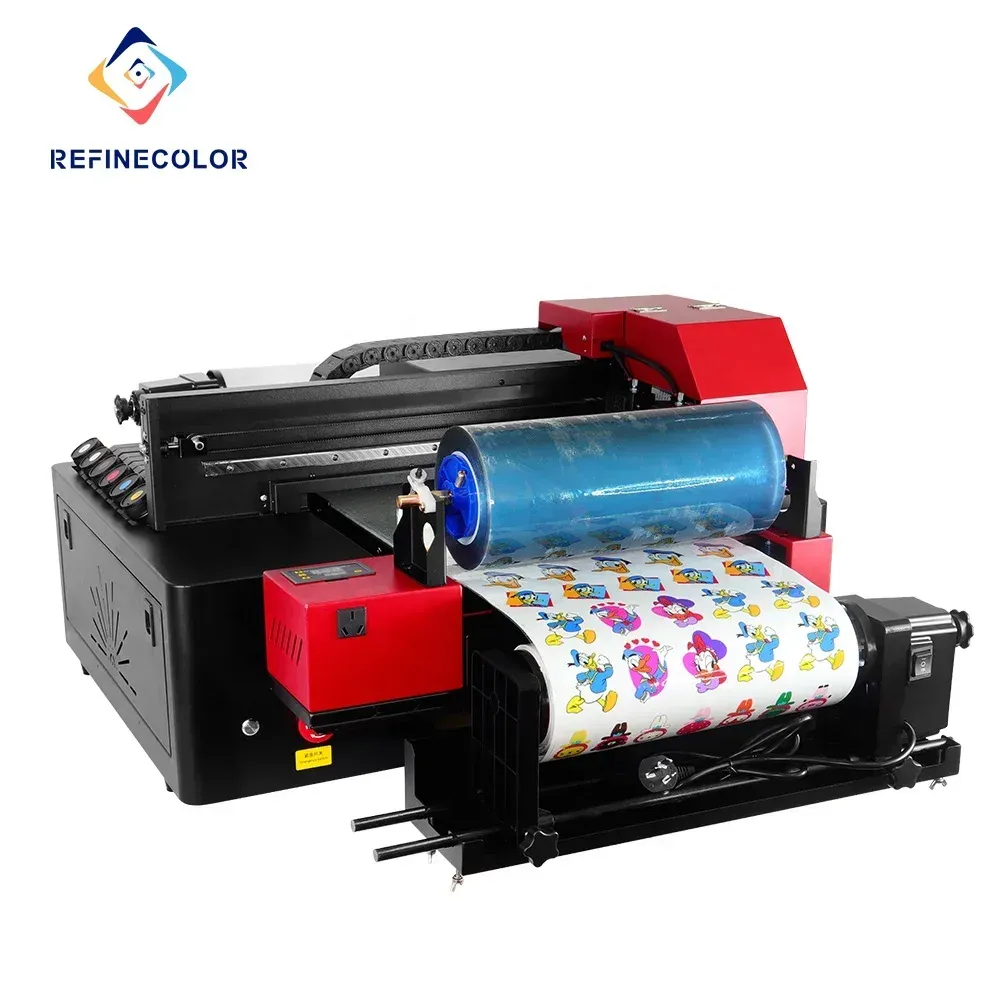
UV DTF printing is revolutionizing the world of custom prints by integrating the efficiency of Direct to Film printing with advanced UV ink technology. This innovative method allows creators to produce high-quality prints on various surfaces, from textiles to metals, all while ensuring unmatched durability. One of the standout features of UV DTF is its ability to deliver vibrant colors that maintain their brilliance over time, making it an appealing option for businesses aiming to enhance their product offerings. Additionally, with growing concerns over environmental sustainability, UV DTF offers a more sustainable printing alternative, minimizing ink waste while maximizing output quality. In this guide, we will delve deeper into the mechanics, advantages, and operational best practices associated with UV DTF, preparing you to leverage its full potential for your printing needs.
When discussing UV DTF, one might also encounter terms such as Direct to Film printing, which describes the core process of transferring images onto a film substrate. This approach harnesses the power of UV curing technologies to produce exceptionally high-quality prints, utilizing environmentally friendly inks that promise longevity and vibrancy. As industries increasingly seek effective and sustainable printing solutions, alternatives like UV DTF continue to gain traction for their remarkable adaptability across numerous materials. Whether it's for custom apparel or promotional merchandise, understanding the nuances of DTF printing can significantly enhance your creative projects. Join us as we uncover the intricacies of this cutting-edge process and its benefits in the modern printing landscape.
Understanding the Basics of UV DTF Printing
UV DTF printing, or Direct to Film printing, is a cutting-edge technology that employs UV-curable inks to imprint high-quality images directly onto a film substrate. This innovative approach not only ensures the accuracy of designs but also enhances the vibrancy of colors, providing a striking finish. By utilizing specialized equipment that prints designs onto film coated with UV inks, printers can achieve results that are both sharp and saturated, which traditional methods often struggle to replicate.
The outstanding quality that UV DTF printing delivers is primarily due to the instant curing process. As soon as the ink is applied, UV light cures it almost immediately, preventing issues like smudging or fading. This capability is crucial for creating durable prints that can withstand various environmental conditions, making UV DTF an ideal choice for products used in outdoor settings. Understanding this foundational process is essential for anyone looking to implement UV DTF into their printing operations.
Key Advantages of UV DTF Printing
One of the standout advantages of UV DTF printing is its unparalleled versatility. This technique allows for printing on a wide array of materials, including textiles, plastics, and metals, which means businesses can cater to various market demands without the need for multiple types of printers. The adaptability provided by UV DTF makes it an excellent choice for creating customized apparel, unique promotional items, and various specialty products, giving businesses the freedom to explore their creative potential.
In addition to versatility, UV DTF printing excels in producing long-lasting prints. The UV inks used in this process are resistant to fading, scratching, and weather-related damage, making them suitable for both indoor and outdoor applications. This durability ensures that products not only look great but also maintain their quality over time. For businesses focused on quality and longevity, the resistance of UV DTF prints to wear and tear represents a compelling reason to adopt this printing method.
The Sustainable Edge of UV DTF Technology
Sustainability has become a crucial consideration in all manufacturing processes, and UV DTF printing presents an eco-friendly alternative to many traditional printing methods. This technology minimizes waste by allowing for a more precise application of ink, thereby reducing excess and making better use of resources. Enterprises that make the switch to UV DTF can significantly lower their environmental footprint, aligning their practices with the growing consumer demand for sustainable options.
Moreover, the efficiency of UV inks and the direct transfer technique contribute to higher yields in production, which not only benefits the environment but also reduces overall costs in the long run. By embracing UV DTF printing, businesses can highlight their commitment to sustainability while also benefiting from reduced expenses associated with material waste. This dual advantage is particularly attractive to companies aiming to solidify their brand reputation in a market increasingly focused on green practices.
Challenges to Consider When Adopting UV DTF Printing
Despite its numerous advantages, entering the UV DTF printing realm is not without its challenges. One of the most significant barriers is the initial financial investment required to set up a UV DTF printing operation. The cost of high-quality printers specifically designed for UV DTF, along with specialized inks and films, can be substantial for smaller businesses. However, it’s important to view this initial investment as a long-term commitment to superior print quality and expanded capabilities.
In addition to the financial challenges, the technical skills required to operate UV DTF printers can also be a drawback for some users. Mastering the intricacies of the printer, maintenance, and ink behavior is essential for producing high-quality prints consistently. Businesses may need to allocate resources for employee training or seek specialized personnel to ensure they can navigate technical issues effectively and maintain operational efficiency.
Future Trends in UV DTF Printing
As the printing industry continues to evolve, UV DTF printing is poised to keep pace with emerging technologies and market demands. Recent advancements in UV ink formulations are broadening the range of applications suitable for UV DTF printing, allowing for even greater versatility and quality in output. These developments are making UV DTF a competitive choice for a variety of custom printing projects, from promotional materials to unique art pieces.
Additionally, as more businesses recognize the benefits of UV DTF technology in producing high-quality prints, the interest in this technique is expected to rise. This growing awareness will likely lead to more innovation within the sector, resulting in improved equipment and inks. Companies looking to stay ahead of the competition will benefit from keeping abreast of these trends, as they represent significant opportunities for growth and evolution in the world of printing and design.
Best Practices for Successful UV DTF Printing
To maximize the benefits of UV DTF printing, it's crucial to start with a solid understanding of equipment maintenance. Regular upkeep of printers not only prolongs their lifespan but significantly enhances print quality. Implementing routine cleaning schedules and addressing any technical issues immediately can prevent larger problems down the line, ensuring consistent output quality and minimizing downtime.
Furthermore, investing in quality materials is fundamental to the UV DTF printing process. The type of inks and films used has a direct impact on print adhesion, color vibrancy, and overall durability. Opting for reputable brands known for their quality will yield better results in terms of print performance and longevity. By following these best practices, businesses can ensure that their foray into UV DTF printing is both effective and rewarding.
Frequently Asked Questions
What are the key benefits of UV DTF printing?
UV DTF printing offers multiple benefits, including high-quality prints with vibrant colors and exceptional durability. Utilizing UV ink technology, this method produces prints that withstand fading and scratching, making it suitable for both indoor and outdoor applications. Furthermore, UV DTF promotes sustainable printing by minimizing ink waste and reducing environmental impact.
How does UV DTF printing differ from traditional Direct to Film printing?
The primary difference between UV DTF printing and traditional Direct to Film printing lies in the use of UV-curable inks. While conventional methods rely on water-based or solvent inks that require longer drying times, UV DTF uses UV ink technology that cures instantly under UV light, resulting in sharper, more vibrant prints with enhanced durability.
Can UV DTF printing be used on various substrates?
Yes, UV DTF printing is highly versatile and can be used on a wide range of substrates including textiles, plastics, and metals. This capability allows businesses to create custom apparel, promotional items, and specialty products with high-quality prints that adhere well to different surfaces.
What is the initial investment required for UV DTF printing?
Starting a UV DTF printing operation typically requires a significant initial investment. This includes purchasing high-quality UV DTF printers, specialized films, and UV inks. While it may seem costly upfront, investing in this technology can lead to high-quality output and expanded business opportunities in the long run.
What skills are necessary for operating UV DTF printers?
Operating UV DTF printers requires a certain level of technical skill, including troubleshooting, understanding ink behavior, and managing maintenance. Users may need training or to hire qualified personnel to ensure a smooth operation and to produce high-quality prints consistently.
How does UV DTF promote sustainability in printing?
UV DTF printing promotes sustainability by minimizing ink waste and reducing environmental impact. The efficiency of UV inks allows for higher yields and less excess, making it a more eco-friendly choice compared to some traditional printing methods, thus aligning with growing demands for sustainable printing practices.
| Key Points | Details |
|---|---|
| What is UV DTF Printing? | A modern printing process that uses UV-curable inks on a film substrate, ensuring high quality and durability with instant curing. |
| Advantages | 1. Versatility: Can print on various surfaces (textiles, plastics, metals). 2. Durability: Resistant to fading and scratching. 3. Reduced Waste: Environmentally friendly, lowers material costs. |
| Challenges | 1. Initial Investment: Significant upfront costs for high-quality equipment. 2. Technical Skill Required: Need for skilled personnel to operate and maintain printers. |
| Market Trends | Increasing interest among small businesses, advancements in UV ink formulations expanding application options. |
| Best Practices | 1. Understanding Equipment Maintenance: Regular upkeep needed for quality. 2. Investing in Quality Materials: Essential for better output. 3. Continuous Learning: Stay updated with advancements in UV DTF printing. |
Summary
UV DTF (Direct to Film) printing is a significant turning point in the printing industry, offering remarkable durability and versatility unmatched by traditional methods. As organizations and individuals increasingly seek creative avenues, UV DTF stands out, providing high-quality prints across various materials. It not only leads to reduced waste and more eco-friendly practices but also opens endless possibilities for product customization. By understanding the fundamentals and investing in quality equipment, users can tap into the profound potential of UV DTF to elevate their printing capabilities and drive business growth.