
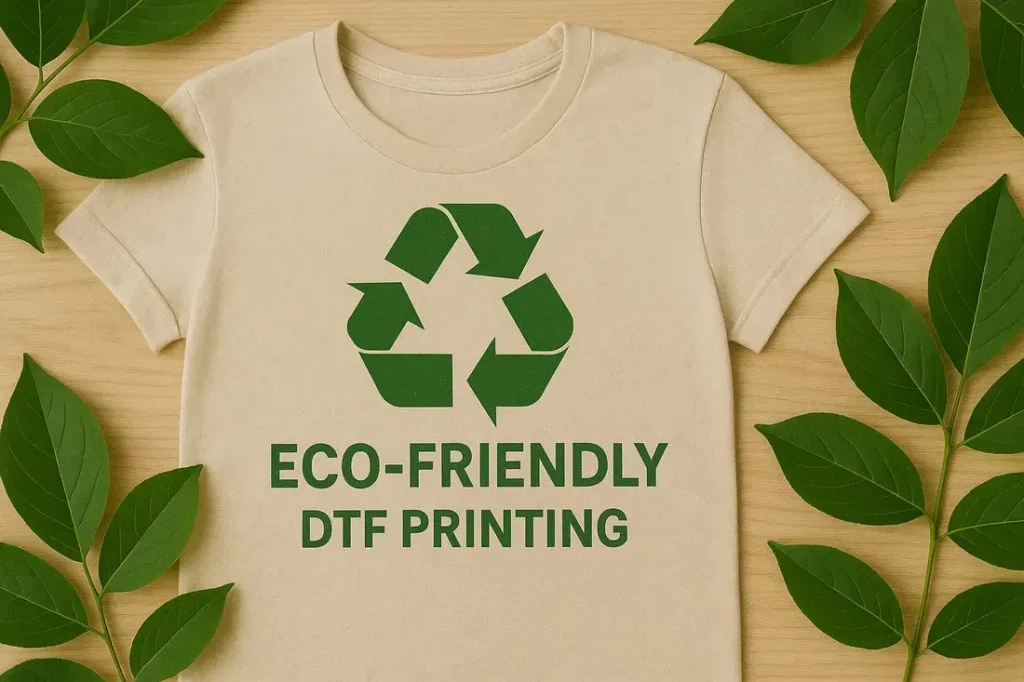
Eco-Friendly DTF Printing is redefining how brands approach garment decoration by combining high-quality results with responsible, resource-conscious practices. As consumer demand for sustainable products grows, printers, designers, and brands are seeking ways to reduce waste and energy use without sacrificing color vibrancy or print durability. This article explores practical, proven strategies to make DTF printing more eco-friendly, from choosing eco-friendly inks for DTF and recyclable DTF films to optimizing workflows and energy efficiency in textile printing. It also discusses how DTF printing sustainability practices can lower waste, conserve energy, and improve brand value. By embracing a zero-waste DTF workflow and collaborating with suppliers who offer recyclable materials, you can realize tangible business benefits.
From a sustainability perspective, this topic can also be framed as environmentally responsible digital transfer printing that prioritizes low-impact materials and waste reduction. Reframing the discussion around eco-conscious production emphasizes partnerships with suppliers offering recyclable films, low-VOC inks, and energy-smart equipment. By adopting circular workflows and accessible take-back programs, printers can bolster green credentials while preserving design freedom and print durability. In short, the conversation moves from a single technique to a holistic approach that balances quality, cost efficiency, and environmental accountability.
Eco-Friendly DTF Printing: Principles, Practices, and Profit
Eco-Friendly DTF Printing represents a holistic approach to garment decoration that aligns high-quality results with responsible resource use. By framing DTF printing sustainability as a core business goal, shops can reduce waste, lower energy bills, and build trust with eco-conscious customers. This perspective emphasizes long-term value: less waste, cleaner processes, and durable prints that still pop in color and detail.
A practical eco-focused strategy integrates sustainable inks, recyclable films, and intelligent workflow design to minimize environmental impact. Businesses that adopt these practices typically see benefits beyond the obvious green credentials, including steadier production costs, improved compliance with evolving regulations, and a stronger market position as brands seek verifiable sustainability commitments.
Choosing Eco-Friendly Inks for DTF: Balancing Color, Safety, and Sustainability
The choice of inks is central to any eco-conscious DTF operation. Eco-friendly inks for DTF are often water-based with lower VOCs, designed to reduce odor and drying emissions while preserving color vibrancy, wash-fastness, and durability. Look for third-party certifications and formulators who publish environmental impact data to ensure your ink choice supports true sustainability.
In practice, the right inks enable a zero-waste DTF workflow by reducing cleanup requirements and enabling easier washing procedures. When matched with compatible substrates and recyclable materials, these inks help maintain performance without compromising the palette, giving brands the confidence to expand sustainable product lines and meet consumer expectations for responsible manufacturing.
Recyclable DTF Films: Closing the Loop from Print to End-of-Life
Recyclable DTF films are a cornerstone of an environmentally responsible production line. Selecting films that can be recycled or returned through take-back programs reduces landfill waste and simplifies end-of-life disposal for garments. This choice supports a closed-loop approach and aligns with broader goals of responsible packaging and product stewardship.
Maximizing the environmental benefits of recyclable DTF films also hinges on smarter nesting and layout. By planning efficient tile strategies and minimizing off-cuts, shops cut material waste and extend the value of each roll. When paired with sustainable adhesives and sleeves, the overall system learns toward a lighter ecological footprint without sacrificing throughput.
Energy Efficiency in Textile Printing: Reducing Power Use Without Compromising Quality
Energy efficiency in textile printing is achieved through a holistic view of the entire workflow, from initial design to post-print handling. Investing in energy-efficient printers and heat presses, adopting standby policies, and optimizing cure cycles all contribute to lower energy consumption while maintaining print fidelity and durability.
Additional efficiency gains come from batch processing, automation, and efficient lighting like LED setups. By reducing unnecessary heat cycling and streamlining workflows, facilities can realize meaningful reductions in energy use per garment, supporting sustainability goals and lowering operating costs over time.
Zero-Waste DTF Workflow: Design, Nesting, and Proofing for Minimal Waste
A zero-waste DTF workflow begins at design, where vector-based elements and simple color separations minimize the number of passes and color changes. Thoughtful nesting and careful layout further reduce off-cuts and material waste, while proofing processes prevent misprints that would otherwise waste film and ink.
This approach also emphasizes thorough calibration and process control. Regular printer, heater, and dryer checks ensure consistent curing and adhesion, while automation and batch processing reduce manual handling and energy overhead. A disciplined workflow demonstrates how sustainable practices can scale without sacrificing efficiency or output quality.
Measuring ROI and Building a Credible Eco-Friendly DTF Printing Program
Implementing sustainable practices should translate into measurable business benefits. When evaluating DTF printing sustainability, consider material costs saved through waste reduction, less energy consumption, and potential premium pricing for eco-friendly lines. Strong, data-driven results help justify investments in recyclable films, eco-friendly inks for DTF, and energy-efficient equipment.
A credible program also relies on transparency and accountability. Track and report progress on waste, energy use, and emissions; pursue certifications where possible; and establish supplier partnerships that support take-back or recycling initiatives. By demonstrating concrete gains and publishing results, brands can reinforce customer trust and strengthen competitive differentiation.
Frequently Asked Questions
What is Eco-Friendly DTF Printing, and how does it advance DTF printing sustainability?
Eco-Friendly DTF Printing is a holistic approach to garment decoration that uses sustainable inks, recyclable films, and energy-efficient workflows. It advances DTF printing sustainability by reducing waste, lowering energy use, and maintaining color vibrancy and durability. Key practices include selecting eco-friendly inks for DTF, using recyclable DTF films, and optimizing nesting and heat-cycle management.
How do eco-friendly inks for DTF balance performance with environmental benefits?
Eco-friendly inks for DTF are typically water-based and low-VOC, delivering strong color and durability while reducing odors and emissions. They support sustainability goals by minimizing hazardous waste and improving wash-off behavior. For best results, pair these inks with proper curing, color management, and compatible substrates.
Why are recyclable DTF films essential for a zero-waste DTF workflow?
Recyclable DTF films close the material loop at end-of-life, reducing landfill waste. They enable a zero-waste DTF workflow when used with efficient nesting and reusable backing papers, and can be supported by supplier take-back programs. Combined with thoughtful design, they dramatically cut scrap and disposal costs.
What steps boost energy efficiency in textile printing under Eco-Friendly DTF Printing?
Choose energy-efficient printers and heat presses with strong standby modes and fast warm-up. Implement standby policies, optimize cure cycles to avoid over‑cure, and batch similar jobs to minimize heat cycling. Adding LED lighting and heat-recovery where possible further reduces energy use.
How can nesting, design, and workflow reduce waste in a zero-waste DTF workflow?
Efficient nesting and layout maximize film usage and minimize off-cuts. Design choices that reduce color changes and unnecessary passes cut waste and energy use. A strong proofing process helps prevent misprints, lowering re-runs and material waste.
What is the ROI of adopting Eco-Friendly DTF Printing, considering material and energy savings and sustainability credentials?
ROI comes from lower material costs due to waste reduction, energy savings from efficient equipment and processes, and stronger brand value from credible eco-friendly practices. Over time, these benefits can improve margins and differentiate your offerings in a sustainable market.
| Topic | Key Points |
|---|---|
| Introduction |
|
| The Environmental Footprint of DTF Printing |
|
| Reducing Waste in DTF Printing |
|
| Energy Efficiency in DTF Printing |
|
| Choosing Eco-Friendly Materials for DTF |
|
| Nesting, Design, and Workflow for Waste Reduction |
|
| Case for ROI: How Eco-Friendly DTF Printing Pays for Itself |
|
| Practical Tips for Implementing Eco-Friendly DTF Printing |
|
| Common Challenges and How to Overcome Them |
|
Summary
Conclusion