
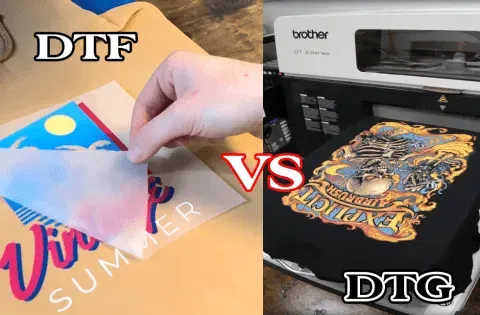
DTF vs DTG is a hot topic for apparel printers seeking durable, vibrant results, and this guide aims to cut through hype by comparing how each method performs across a range of fabrics, production sizes, and care expectations. Direct-to-Film (DTF) and Direct-to-Garment (DTG) are built on distinct principles: DTF uses a film and adhesive to transfer pigment in a controlled layer that can be cured before application, enabling consistent adhesion and color across blends and synthetics, while DTG relies on inks deposited directly onto the fabric surface with pretreatment to boost color density on light and dark backgrounds. Durability remains a central question as brands weigh longevity under repeated washing, sunlight exposure, and abrasion, along with how each method handles color retention through the life of a garment. On the topic of color, both approaches have different strengths, with film-based transfers often delivering strong color impact on dark fabrics and direct-to-garment printing providing smooth gradients on lighter textiles when properly pre-treated and cured. From a budgeting perspective, shops can plan more predictable workflows by considering setup times, curing cycles, and long-term maintenance when evaluating each method across projects ranging from gym tees to fashion basics and beyond.
From an LSI perspective, film-based transfers and garment direct-to-fabric printing are two common paths for apparel decoration with overlapping principles, but each approach frames durability, color fidelity, and fabric compatibility in slightly different terms. Film-based transfers—the colloquial term for the approach we often call DTF—rely on a pre-applied adhesive and heat-activated film to achieve bold colors on dark or synthetic fabrics, while garment direct-to-fabric printing uses inks directly into natural and blended textiles for a softer hand. In terms of durability and color fidelity, DTG durability and DTG color accuracy can guide expectations when optimizing pretreatment levels, curing temperatures, and ink sets on cotton-rich runs. LSI-friendly terms like color fastness, wash performance, and fabric compatibility help you connect design goals with production realities, enabling a nuanced decision that aligns with your material mix and brand standards. To map a practical path forward, consider a hybrid strategy that applies film transfers for a broad fabric range and reserves direct-to-fabric printing for cotton-forward designs that prize a soft, premium feel.
DTF advantages for multi-fabric runs
DTF advantages shine when you need reliable performance across a wide range of fabrics. The film-based transfer and adhesive bond enable printing on polyester, blends, cotton, and dark textiles without the same pretreatment complexity that DTG often requires. This cross-fabric versatility makes DTF a strong option for mixed-product lines and on-demand production where fabric variety is the norm.
Beyond material compatibility, DTF’s transfer workflow supports efficient batch processing and consistent results across different items. Businesses can benefit from fewer fabric-specific adjustments and a streamlined setup, which translates into improved throughput for small runs and rapid prototyping. In short, the DTF process delivers notable advantages for operations that demand flexibility and reliability across fabrics.
DTG durability on cotton-focused designs
DTG durability tends to excel on 100% cotton substrates, especially when paired with high-quality pretreatment and precise curing. On cotton garments, DTG inks can achieve smooth color transitions and a soft hand-feel that shoppers often associate with premium basics.
With the right workflow, DTG durability supports frequent wash cycles on cotton-heavy lines. Proper pretreatment, controlled cure temperatures, and adherence to care guidelines help maintain color saturation and edge integrity, ensuring designs stay vibrant through repeated wears and laundering.
DTF color fastness across fabrics and blends
DTF color fastness is bolstered by the adhesive-based transfer, which maintains color integrity across diverse fabrics, including dark textiles and blends. The white or light underbase options used with DTF can help preserve hue and detail, contributing to consistent color reproduction on a variety of textures.
Across wash cycles and abrasion scenarios, DTF color fastness benefits from proper curing and appropriate adhesive thickness. When tuned correctly, the film transfer resists cracking and peeling, helping colors stay bold on poly blends, cotton blends, and other non-traditional fabrics.
DTG color accuracy and gradient performance
DTG color accuracy shines on light-to-mid-tone fabrics, where the combination of calibrated inks and RIP-driven color management can reproduce subtle gradients and fine details with precision. The ability to render smooth transitions is a hallmark of DTG color accuracy on suitable substrates.
On darker fabrics, DTG color accuracy relies on a white underbase to achieve color pop, which can introduce complexity in maintaining consistent saturation and evenness. When performed well, this underbase supports accurate color reproduction and gradient fidelity, though it may demand more meticulous process control.
Cost comparison DTF vs DTG: evaluating total investment
Cost comparison DTF vs DTG centers on total ownership, including equipment, consumables, and labor. DTF generally reduces per-item variability by using a single transfer approach across fabrics, which can streamline production and lower complexity in mixed-fabric runs. Film, adhesive, and curing steps contribute to the overall cost structure, but the absence of fabric-specific ink chemistry can be a budgeting advantage for diverse product lines.
ROI considerations for DTF and DTG depend on run size, fabric mix, and expected volumes. For mixed fabrics and frequent mid-range runs, DTF often provides favorable economics due to reduced pretreatment needs and broader applicability. For cotton-focused lines with premium hand-feel demands, DTG may justify higher upfront costs through elevated color accuracy and softness, making the cost trade-off highly contextual.
DTF vs DTG: practical verdict for brands and shops
DTF vs DTG is not a one-size-fits-all answer; the best choice depends on fabrics, volume, and quality goals. If versatility across multiple textiles and efficient large-batch production are priorities, DTF offers compelling advantages that can streamline operations and deliver durable results across garments.
If your brand prioritizes ultra-soft hand-feel and top-tier color accuracy on 100% cotton with premium finishes, DTG can deliver exceptional results when supported by careful pretreatment and precise curing. A practical approach is to test both methods on representative product types, measure wash durability, and establish clear care guidelines to ensure your customers experience consistent, high-quality prints.
Frequently Asked Questions
DTF vs DTG: what are the DTF advantages over DTG?
DTF advantages include broad fabric compatibility (polyester, blends, dark fabrics) and a robust adhesive transfer that yields durable results. It delivers vibrant colors on dark textiles and is efficient for mixed-material runs, making it a versatile option for on‑demand workflows.
DTG durability vs DTF durability: which holds up better over time?
DTG durability shines on 100% cotton with proper pretreatment and curing, offering a soft hand-feel and strong color on light fabrics. DTF durability tends to be more consistent across a wider range of fabrics due to the adhesive transfer, especially on dark or non‑cotton textiles, when properly cured.
DTF color fastness vs DTG color accuracy: what should you expect?
DTF color fastness is generally strong across fabrics when the transfer is correctly cured, delivering sharp, vibrant images. DTG color accuracy is excellent on light to mid-tone fabrics with smooth gradients, though dark fabrics rely on a white underbase and careful color management.
Cost comparison DTF vs DTG: which method is more economical for small runs?
Cost comparison DTF vs DTG depends on volumes and fabric mix. DTF can be more cost-effective for small runs across varied fabrics due to a single transfer approach, while DTG costs accrue from ink usage, pretreatment, and curing. Labor and equipment efficiency also influence ROI.
Which method is better for large-area designs on mixed fabrics: DTF vs DTG?
For large-area designs across mixed fabrics, DTF often provides consistent color and edge quality thanks to the film transfer, with less fabric‑specific tuning. DTG can handle large designs on cotton well but may require more ink, pretreatment adjustments, and careful curing to maintain color uniformity.
DTF vs DTG: how do they compare for color and durability on cotton vs blends?
DTG color accuracy shines on 100% cotton with a soft hand-feel and precise gradients when well-pretreated and cured. DTF durability remains strong across blends and non‑cotton fabrics due to the adhesive-based transfer, providing reliable results across a varied fabric mix.
| Aspect | DTF Highlights | DTG Highlights |
|---|---|---|
| Definition / Approach | Film-based transfer with adhesive; versatile across fabrics (including darks); requires heat press and a curing step. | Direct-to-garment printing onto fabric with water-based inks; excels on 100% cotton with pretreatment; relies on proper curing. |
| Durability across fabrics | Broad compatibility (polyester, blends, cotton; strong adhesive bond) supports mixed textiles and varied runs. | Best on 100% cotton with pretreatment; performance depends on fabric and underbase on darks. |
| Color vibrancy / accuracy | Full color gamut on film; strong color pop on dark fabrics via white/underbase layering. | Excellent color reproduction on light-to-medium fabrics; smooth gradients; underbase under darks affects vibrancy. |
| Wash durability | Excellent wash resistance when properly cured; minimal cracking/peeling across fabrics. | Good wash durability with proper pretreatment and curing; white underbase and multiple color layers on darks can be vulnerable. |
| Edge quality / detail | Film surface preserves fine details and gradients with high fidelity. | DTG can render smooth gradients and fine halftones on cotton; result depends on printer/RIP quality. |
| Fabric compatibility | Works across fabrics including blends and synthetics; versatile for varied product lines. | Shines on 100% cotton and natural fibers; pretreatment required for optimal density on darks. |
| Pretreatment / finishing | Less dependent on fabric pretreatment due to adhesive transfer; accommodates varied textures. | Requires pretreatment for color density on dark fabrics; curing accuracy is critical. |
| Cost / production | Can be cost-effective for small runs; single transfer approach; film/adhesive costs and curing steps. | Higher per-unit ink costs; pretreatment and curing add steps; best for cotton-focused lines; scalable with investment. |
| Care & maintenance | Follow manufacturer cure guidelines; wash inside-out; avoid harsh detergents; durable with proper care across fabrics. | Adhere to pretreatment and curing guidelines; use gentle washing; avoid high heat to protect underbase and ink layers. |
Summary
DTF vs DTG: In the realm of garment printing, both methods deliver durable, vibrant results, but they excel in different contexts. DTF offers cross-fabric versatility, strong wash durability, and bold color on dark textiles through film-based transfers, making it well-suited for mixed-fabric runs and environments where pretreatment is minimized. DTG, by contrast, excels on 100% cotton with a soft hand-feel, precise gradients, and premium finishes on light-to-mid-tone fabrics when pretreatment and curing are properly managed. The best choice depends on your fabric mix, production volume, and care requirements. A thoughtful workflow, consistent curing and pretreatment, and ongoing testing across fabrics will help ensure color fidelity, durability, and wear over time. Whether you lean toward DTF’s universal applicability or DTG’s cotton-focused precision, understanding strengths and limitations will enable you to meet customer expectations for color, detail, and longevity.