
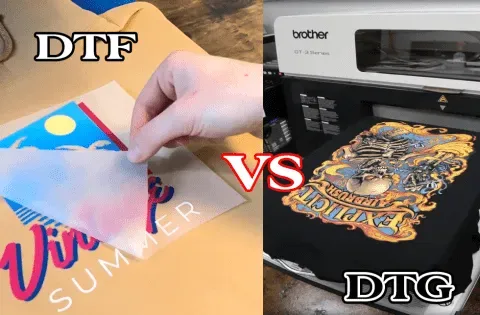
When it comes to choosing between DTF vs DTG printing methods, understanding the unique features and benefits of each technique is essential for anyone in the custom apparel industry. Both Direct-to-Film (DTF) and Direct-to-Garment (DTG) offer distinct advantages that can influence production quality and cost-effectiveness. For instance, DTF printing benefits include its versatility across various fabric types, while DTG printing excels in producing high-resolution images with vibrant colors on natural fibers. This guide will delve deeper into the DTF vs DTG comparison, empowering you to identify the best printing method for t-shirts and other textile applications. By exploring these popular textile printing methods, we aim to equip you with the knowledge necessary to make informed decisions for your business.
In the realm of custom textile creation, two prominent printing techniques have emerged - Direct-to-Film (DTF) and Direct-to-Garment (DTG). These innovative approaches cater to diverse needs, whether for personal projects or commercial ventures. DTF printing involves applying designs onto a specialized film that is later transferred to fabric, while DTG printing applies ink directly onto the garment, creating detailed and colorful images. As we explore the nuances of these printing methods, we will assess their respective advantages and limitations, helping you select the most suitable option for your fabric printing endeavors. Through a detailed examination of DTF and DTG, this article ensures you are well-prepared to navigate the complexities of apparel printing.
Understanding DTF Printing Benefits
Direct-to-Film (DTF) printing has surged in popularity due to several key benefits it offers compared to traditional methods. One major advantage is its adaptability to various fabric types, including cotton, polyester, and blends. This versatility makes DTF printing ideal for businesses looking to cater to a wider customer base, as it allows for diverse product offerings without requiring different printing setups for each fabric type. Additionally, DTF prints are known for their durability; they resist fading and cracking, ensuring that designs remain vibrant and intact even after multiple washes.
Another strong point of DTF printing is its efficiency in production, particularly for larger batches. Once the initial setup is complete, the process of printing onto film and transferring it to fabric can be done quickly, allowing for mass production without sacrificing quality. This combination of versatility and durability positions DTF as a favored choice for businesses aiming to maintain competitive pricing while delivering high-quality products. As such, understanding the DTF printing benefits is crucial for anyone in the textile printing industry looking to optimize their production capabilities.
Exploring DTG Printing Advantages
Direct-to-Garment (DTG) printing presents numerous advantages that set it apart within the landscape of textile printing methods. Primarily, DTG excels in producing detailed, high-resolution images, which is particularly beneficial for complex designs or artwork. The use of specialized inkjet technology allows for a broad spectrum of colors with exceptional clarity, making it a top choice for customized apparel and limited runs. Moreover, DTG printing is notably eco-friendly; it employs water-based inks that carry a lower environmental impact, aligning with sustainability practices that consumers increasingly value.
Additionally, the capability of DTG printing for on-demand production addresses the modern consumer's desire for uniqueness. Customers can order one-off items or small quantities without high setup costs or waste, making it attractive for artists and brands that focus on personalized merchandise. Despite sometimes being slower in output compared to DTF, the ability to provide intricate designs quickly without needing a large inventory is a significant draw for businesses. These DTG printing advantages make it an essential technique for those focusing on quality and customization in their textile offerings.
DTF vs DTG: A Head-to-Head Comparison
When comparing DTF vs DTG, it's crucial to weigh each method's attributes to see which aligns better with your specific needs. One of the primary differences lies in fabric compatibility; DTF can be applied to a wider range of materials, offering the flexibility of printing on both natural and synthetic fabrics, which is a considerable advantage for diverse product lines. Conversely, DTG is predominantly effective on 100% cotton, making it less versatile but perfect for that fabric. This distinction is vital when selecting the best printing method for t-shirts or other garments, as material choice directly affects print quality.
Another important aspect in the DTF vs DTG comparison is the overall cost-effectiveness. DTF often has lower initial costs and is advantageous for start-ups or small businesses seeking to offer varied designs without hefty upfront expenses. However, DTG machines generally yield better long-term value for high-volume print operations due to their speed and print quality, particularly on cotton items. Evaluating these comparisons helps businesses and individuals alike to make an informed decision, balancing initial investments with production goals and customer expectations.
Cost Considerations in Textile Printing
Evaluating the costs involved in DTF and DTG printing can significantly affect a business's decision on which method to adopt. For DTG printing, the upfront investment is generally higher due to the cost of the specialized inkjet machines. However, businesses that engage in larger print runs may find that DTG becomes cost-efficient in the long run, particularly as they scale operations. This method allows for the production of high-quality items that can command premium prices, which is a strategic advantage for apparel brands.
On the other hand, DTF printers present a lower barrier to entry, making them more accessible for smaller enterprises or those newly entering the market. The cost of materials also tends to be lower, allowing for a broader experimentation with designs and fabrics without the risk of overspending. Understanding these cost considerations is crucial for businesses when planning their operations and determining which printing method will best serve their financial and production goals.
Choosing the Best Printing Method for T-Shirts
Selecting the best printing method for t-shirts hinges on several factors, including design complexity, fabric type, and production volume. DTG printing is often deemed ideal for intricate designs that showcase detailed artwork, primarily if the shirts made from cotton are the target market. This method allows for vivid imagery and color depth that can captivate customers seeking high-quality t-shirts. Additionally, its ability to cater to small runs enhances customer service and personalization, aligning with current fashion trends that favor unique and custom apparel.
Conversely, when larger production runs or varying fabric substrates are under consideration, DTF emerges as the more suitable option. The versatility of DTF printing across multiple fabric types makes it particularly appealing for organizations aiming to diversify their product lines or create a range of merchandise. Therefore, businesses must thoroughly assess their target market, desired print quality, and volume before deciding on the best printing method for t-shirts. This targeted approach ensures that the chosen method aligns with business objectives and market demands.
Environmental Impact of DTF and DTG Printing Methods
With growing environmental awareness, the environmental impact of printing methods has become a critical concern for businesses. DTG printing, featuring water-based inks and minimal waste production, is often considered more sustainable than traditional methods. These inks contain fewer harmful chemicals, and the direct printing process leads to less material waste, which is a significant consideration for eco-conscious brands. As consumers favor products that align with sustainable practices, adopting DTG may beneficially influence market perception and brand loyalty.
Conversely, DTF printing, while versatile and durable, may involve a more complex setup process that could generate additional waste if not managed properly. However, advancements in DTF technology continue to improve sustainability practices, offering solutions that minimize environmental footprints. Businesses must evaluate the environmental implications alongside print quality and cost to align brand values with consumer expectations, ensuring that their chosen method supports both operational goals and sustainability commitments.
Frequently Asked Questions
What are the main benefits of DTF printing compared to DTG printing?
DTF printing benefits include its versatility across various fabric types, including polyester and blends, allowing for a wider range of applications. Additionally, DTF prints are durable, resistant to fading and cracking, making this method ideal for long-lasting designs. In contrast, DTG printing advantages primarily lie in the high-quality detail and vibrant colors it can achieve, particularly on cotton fabrics.
How does DTF vs DTG printing impact production costs for businesses?
In the DTF vs DTG comparison, DTG printing often requires a higher initial investment in machinery, which may be offset by its suitability for larger print runs. DTF printing may have lower material costs upfront, making it a more appealing option for startups looking to minimize expenses while still offering diverse designs.
Which method, DTF or DTG, is better for high-quality prints?
When considering DTF vs DTG for high-quality prints, DTG printing stands out for producing intricate designs with vibrant colors. It excels in detailed artwork, whereas DTF printing is more versatile but may not achieve the same level of detail; however, it offers excellent durability on various materials.
Can DTF printing be used on all types of fabrics, and how does it compare to DTG?
DTF printing is well-known for its ability to adhere to a broad range of fabrics, including cotton, polyester, and blends, making it highly versatile compared to DTG printing, which is primarily suited for 100% cotton fabrics. This makes DTF a better choice for businesses seeking to print on various materials.
What are the limitations of DTF and DTG printing?
In the DTF vs DTG comparison, DTG printing can be slower, making it less efficient for larger orders, and its effectiveness is limited primarily to cotton. DTF printing, while versatile, may result in a thicker feel due to the transfer process and requires a more complex setup initially, which can be a barrier for some users.
Which is the best printing method for t-shirts, DTF or DTG?
The best printing method for t-shirts depends on your requirements: for high-quality, detailed, multicolor designs on cotton shirts, DTG is preferable. In contrast, if you need a versatile option for different fabrics and greater durability in larger quantities, DTF printing is the recommended choice.
| Feature | DTG (Direct-to-Garment) | DTF (Direct-to-Film) |
|---|---|---|
| Definition | Digital printing directly on fabric using inkjet technology. | Film transfer method where colors are printed on a special film and then transferred to fabric. |
| Best Fabrics | Best for cotton and natural fibers. | Adheres to a variety of fabrics including cotton and polyester. |
| Quality | Produces detailed and vibrant images, ideal for complex designs. | Prints are durable and resistant to fading but may feel thicker due to the transfer process. |
| Speed | Slower production speed, especially for larger batches. | Faster than DTG for larger production runs due to pre-printed films. |
| Cost | Higher initial investment but cost-effective for large runs. | Lower initial material costs, appealing for startups. |
| Best Use Cases | High-quality custom prints on small runs. | Larger production runs with varied fabric options needed. |
Summary
In the debate of DTF vs DTG, it's essential to consider the nuances of each, as this choice significantly impacts your printing needs. DTG provides superior quality for detailed designs but is limited to cotton fabrics and slower production speeds. Conversely, DTF offers versatility across multiple fabric types and durability in prints, making it an excellent choice for larger production volumes. Understanding these differences allows businesses and hobbyists alike to make informed decisions that meet their specific printing requirements. Ultimately, selecting the right method—DTF or DTG—depends on your goals, budget, and desired quality.