
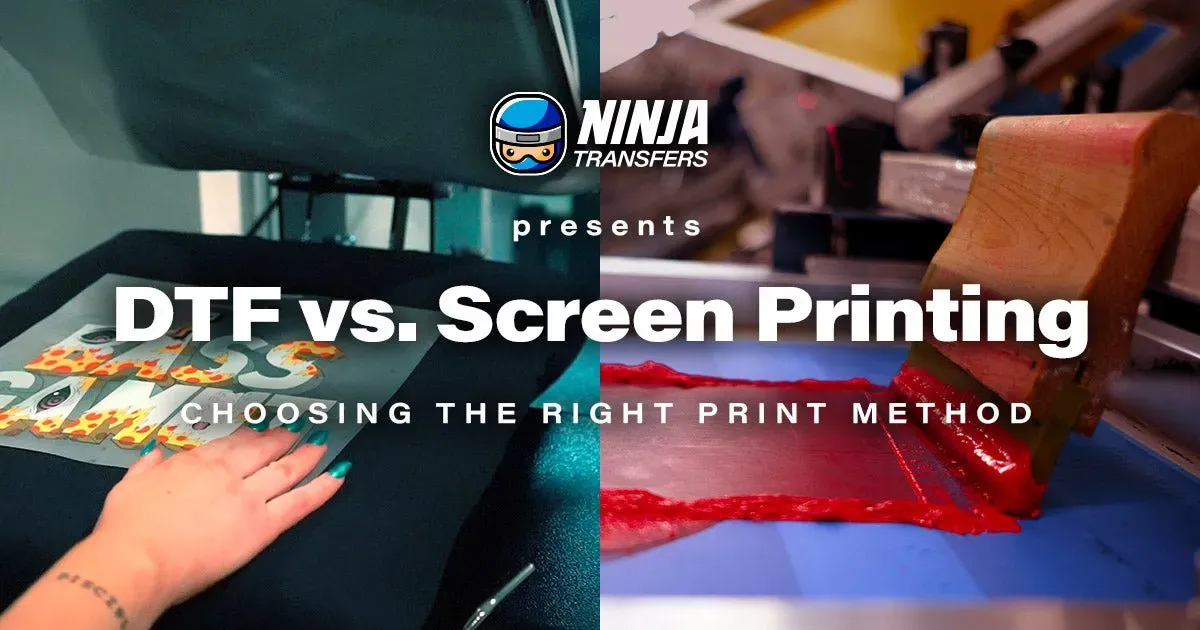
When it comes to custom apparel printing, the debate over DTF Transfers vs Screen Printing is front and center for many businesses and creators. Both methods boast unique advantages, making them suitable for different needs and project types. DTF printing advantages include vibrant color applications and the ability to print on various fabric styles, while screen printing benefits bring durability and cost-effectiveness for larger runs. This comparative analysis of printing methods sheds light on crucial factors that affect design choices, production efficiency, and budget considerations. Whether you’re a small startup or an established brand, understanding the nuances of these apparel customization techniques is essential for making the best decision.
In the realm of apparel decoration, choosing between Direct-to-Film (DTF) and conventional silk screen techniques can significantly influence your business operations. DTF printing, a modern method gaining popularity, contrasts sharply with screen methods that have been tried and tested over the years. Each approach has distinct characteristics and benefits, making them appealing for different applications. Organizations looking to enhance their customization capabilities will benefit from exploring these two prominent printing modalities. Analyzing these methodologies not only assists in selecting the appropriate technique but also aids in optimizing the overall quality and appeal of the final product.
Comparing Printing Techniques: DTF Transfers vs Screen Printing
When it comes to making a choice between DTF transfers and screen printing, understanding their core differences is pivotal. DTF transfers are recognized for their versatility, particularly in the realm of intricate designs that require detailed color reproduction. This method allows for high-quality prints on various fabrics with remarkable clarity, making it ideal for custom apparel that needs to stand out. In contrast, screen printing offers advantages concerning durability, particularly on thicker cotton materials. Businesses favor this method for bulk orders due to its economic viability on larger quantities, thus catering well to established brands that emphasize strong visual identity and long-lasting products.
Moreover, while DTF transfers excel in producing short runs of apparel with complex graphics, screen printing's comprehensive setup process can be labor-intensive, especially for multi-colored designs. This comparative analysis aids businesses in selecting the right printing method based on their specific needs -- whether it be for vibrant, personalized apparel or robust, well-established merchandise lines. Thus, assessing the nature of the project and intended audience will lead to a more aligned production strategy that maximizes impact and efficiency.
Benefits of DTF Printing in Custom Apparel
DTF printing is rapidly becoming a favorite in the domain of custom apparel for multiple compelling reasons. One significant advantage is its ability to deliver vibrant colors with stunning detail. The method allows designers to craft intricate graphics efficiently without being restricted by the complexities often associated with screen printing. Thus, for businesses or creators looking to offer unique, bespoke apparel designs, DTF printing serves as an ideal solution that doesn't compromise on quality, even under tighter production timelines.
In addition to its aesthetic benefits, DTF printing provides greater flexibility for small batch orders, which can be vital for emerging brands. Unlike traditional screen printing, which tends to require a minimum number of units to be cost-effective, DTF allows for one-off prints at a fraction of the investment. This feature enables entrepreneurs to experiment with diverse designs without committing to large quantities, providing them with the agility needed to respond to market trends effectively.
Exploring the Advantages of Screen Printing
Screen printing remains a staple in the custom apparel industry, particularly due to its robust advantages that cater to larger production scales. The primary benefit of this method is its durability; screen-printed designs tend to hold color longer and withstand multiple washes without significant fading, thereby ensuring a longer lifespan for the apparel. Businesses engaging in promotional or branded merchandise find this quality absolutely critical, as it reflects their commitment to quality and customer satisfaction.
Furthermore, screen printing can produce bold, vibrant colors that are hard to achieve with other printing methods, making it an excellent choice for brands that want to make a statement. When optimizing for large orders, the cost-effectiveness of screen printing becomes evident: the initial setup costs become significantly less problematic as the volume of prints increases. This makes it a favorable option for manufacturers aiming to meet high demand while ensuring consistency in their product offerings.
Key Differences in Durability Between DTF and Screen Printing
Durability can often be a decisive factor when choosing between DTF transfers and screen printing. Screen printing is celebrated for its resilience, particularly when inks are integrated into the fabric rather than sitting on the surface. This attribute translates to a product that can endure countless wash cycles, making it suitable for everyday wear, sports uniforms, and promotional items. Brands that prioritize longevity in their printed apparel often lean towards screen printing to minimize wear and tear and ensure that their products maintain a premium feel over time.
In contrast, while DTF transfers can achieve stunning visual results, their durability can vary based on printing methods and maintenance. Potential fading may occur after several washes, which could diminish the vibrancy that originally attracted customers. As a result, while DTF is excellent for one-off projects or short runs, businesses that opt for this method should consider advising customers on best practices for washing and handling to prolong the life of their designs.
Comparative Cost Analysis: DTF vs Screen Printing
When evaluating DTF transfers and screen printing through a cost lens, several key factors come into play. DTF printing generally incurs lower upfront costs, particularly for small runs or one-off pieces, which can make it exceptionally appealing for entrepreneurs and small businesses looking to manage budgets effectively. The lack of labor-intensive setup — usually required for screen printing with multiple screens for different colors — allows for quicker turnarounds, which can be a financial advantage in time-sensitive scenarios.
On the flip side, screen printing becomes more cost-efficient as the quantity of prints increases. The initial investment in screens and setup costs is offset significantly by the number of items produced. Therefore, for larger orders, the per-unit cost tends to decrease, making screen printing more favorable for bulk custom apparel needs. Thus, businesses must carefully consider their order sizes and frequency of purchasing when deciding between DTF transfers and screen printing to maximize their overall production budget.
Innovations in DTF and Screen Printing Technologies
As the custom apparel printing industry evolves, technological advancements in both DTF and screen printing methods are reshaping the operational landscape. DTF printing technology has recently become more accessible, with improved user-friendly models that help streamline the printing process for businesses of all sizes. The surge in demand for customization has prompted manufacturers to innovate, leading to machines that can produce high-quality prints quickly. This innovation supports a growing trend toward personalization in apparel, enabling businesses to cater effectively to consumers' desires for unique, tailor-made products.
Meanwhile, screen printing technology has also seen refinement with the introduction of automatic presses that increase output while reducing labor effort. Enhanced ink formulas, including eco-friendly options, have surfaced, addressing environmental concerns while simultaneously offering vibrancy and durability. As businesses adapt, incorporating these advancements into their practices can yield substantial dividends, allowing both DTF and screen printing methods to thrive in today's competitive market without sacrificing quality.
Frequently Asked Questions
What are the primary differences between DTF Transfers and Screen Printing in custom apparel printing?
DTF Transfers and Screen Printing differ mainly in their application methods. DTF printing uses heat and prints on a film, allowing for vibrant multi-colored designs on various fabrics, including blends and dark colors. In contrast, Screen Printing requires screens for each color, making it more suited for bulk orders and producing long-lasting prints, especially on cotton.
What are the advantages of using DTF transfers over screen printing for apparel customization techniques?
DTF printing offers several key advantages, including the ability to produce vibrant designs with intricate details quickly and at lower costs for small orders. This method also reduces material waste and allows printing on diverse fabric types, making it an attractive option for custom apparel projects.
For large quantity orders, is screen printing more beneficial compared to DTF transfers?
Yes, screen printing is often more beneficial for large quantity orders due to its cost-effectiveness. The setup costs are offset by the volume of prints produced, allowing businesses to achieve durable and vibrant color outputs that remain economically viable for bulk production.
How does the durability of DTF Transfers compare with that of Screen Printing?
While DTF transfers deliver vivid designs, their durability can be a concern, particularly under harsh washing conditions, which may lead to fading over time. In contrast, screen printing is renowned for its resilience, especially on cotton, as the inks adhere well and withstand multiple washes without significant deterioration.
Are there specific fabrics that are better suited for DTF printing than for screen printing?
DTF printing excels on a range of fabric types, including blends and dark materials, which can sometimes limit the effectiveness of screen printing. While screen printing is versatile, it is best suited for certain fabrics like cotton, which may not fully leverage the capabilities of DTF technology.
What recent trends are influencing the choice between DTF Transfers and Screen Printing in the custom apparel industry?
Recent trends show a growing acceptance of DTF printing, especially with companies offering no-minimum orders, making it accessible for small businesses. Additionally, advancements in DTF printer technology are making it more affordable and user-friendly, further encouraging its popularity against the more traditional screen printing methods.
| Aspect | DTF Transfers | Screen Printing |
|---|---|---|
| Definition | Prints designs onto a special film for application on fabrics using heat. | Uses stencils to apply ink directly onto fabric. |
| Advantages | 1. Vibrant detail with intricate designs, 2. Fast production for short runs, 3. Lower costs for small orders, 4. Less material waste. | 1. Durable prints, 2. Cost-effective for large orders, 3. Bold color applications. |
| Drawbacks | 1. Durability concerns under washing, 2. Higher initial equipment investment. | 1. Time-consuming setup, 2. Limited fabric compatibility. |
| Best For | Creative projects with complex designs; ideal for custom work and small brands. | Bulk orders requiring durability; well-suited for bigger brands with high volume needs. |
Summary
DTF Transfers vs Screen Printing offer distinct advantages and drawbacks that can influence your choice based on your specific needs. In summary, DTF transfers shine in providing vibrant and intricate designs quickly and cost-effectively for small runs, making them an attractive option for creative endeavors. On the other hand, screen printing is the gold standard for durability, especially for large orders, thanks to its proven effectiveness over time. Ultimately, by weighing the unique benefits of DTF Transfers vs Screen Printing, you can select the printing method that aligns best with your business goals and project requirements.