
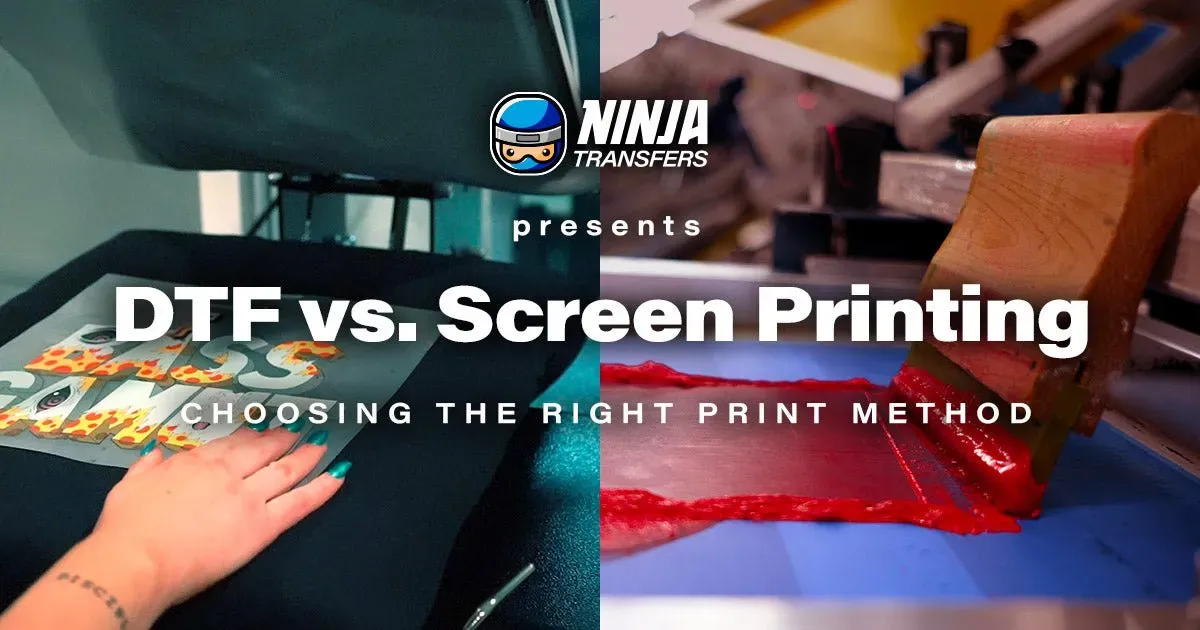
In the world of custom apparel, the debate between DTF transfers vs. screen printing is becoming increasingly relevant. As businesses and consumers look for the best printing methods to translate their unique designs onto fabric, understanding the strengths and weaknesses of each technique is crucial. DTF printing stands out for its ability to deliver vibrant colors and intricate designs, while traditional screen printing is known for its durability and cost-effectiveness in large runs. This post will explore the nuances of DTF transfers and screen printing, comparing technology, quality, and versatility to help you make informed decisions. Whether you’re seeking eye-catching custom apparel or durable designs for bulk orders, the main differences between these printing methods will guide your choice.
When it comes to choosing how to print your designs on garments, distinguishing between Direct-to-Film (DTF) and traditional screen printing methods is essential. Each technique offers a wealth of design options and serves different needs in the custom apparel market. Understanding these printing methods can empower businesses to create high-quality products that resonate with customers. For instance, DTF printing excels in intricate details and vibrant palettes, whereas screen printing boasts longevity and is ideal for bulk production. This guide will clarify these distinctions, ensuring you select the best approach for your specific printing requirements.
The Advantages of DTF Printing Over Traditional Methods
DTF printing has revolutionized the world of custom apparel by introducing a multitude of advantages over traditional methods like screen printing. One of the most significant benefits is the remarkable color vibrancy that DTF transfers can achieve. This technique allows for intricate designs and a spectrum of colors that would be challenging to replicate with screen printing due to its layer-by-layer ink application. Custom apparel featuring detailed graphics, gradients, and colorful artworks can truly shine with DTF, making it the preferred choice for many designers.
Moreover, DTF printing is highly efficient for smaller batch orders. Unlike screen printing, which requires a hefty setup cost for creating screens, DTF allows businesses to produce high-quality prints without the need for specialized equipment for each design. This flexibility makes it an appealing option for startups or those venturing into the custom apparel industry, as it enables them to offer diverse products without committing to large inventory expenses.
Understanding the Basics of Screen Printing
Screen printing is a time-honored method that has been widely utilized in the custom apparel industry for decades. At its core, screen printing involves creating a stencil for each color in the intended design and using that stencil to apply ink directly onto the garment. One of the primary advantages of screen printing is its durability; designs created using this method can withstand numerous washes while maintaining their vibrancy and integrity. This is especially critical for branding and promotional apparel that needs to endure regular wear.
Another appealing factor of screen printing is its economies of scale. For businesses producing larger quantities of items, the cost per unit considerably decreases, making it a cost-effective choice for bulk orders. Although initial setups might be higher due to screen creation, the long-term savings and quality output often justify this investment, solidifying its place in the industry despite the rise of newer technologies like DTF.
Quality Comparisons: DTF vs. Screen Printing
When assessing the quality of DTF transfers versus screen printing, several factors come into play, particularly the durability and longevity of the prints. DTF prints demonstrate impressive resilience against fading and wear when properly cared for, making them a competitive option for custom apparel. However, the quality can vary based on the type of garment and the wash techniques employed. Users are advised to follow washing instructions to maximize the lifespan of DTF prints, noting that they tend to maintain their vibrant appearance through several washes.
In contrast, screen printing has established itself as a robust method for producing long-lasting designs. The thick layers of ink bonded to the fabric allow for exceptional durability, especially on materials like cotton. This makes screen printing an ideal choice for products that demand longevity, such as promotional items and workwear. Therefore, quality comparisons between the two methods heavily depend on application, garment type, and intended use, necessitating a thoughtful consideration based on specific needs.
Cost Analysis: DTF vs. Screen Printing
Understanding the cost differences between DTF transfers and screen printing is vital for making informed decisions in the custom printing realm. DTF printing tends to have lower initial investment requirements, especially beneficial for those just entering the market or focusing on custom, smaller orders. The lack of expensive setup costs typically associated with screen printing screens makes DTF a financially sensible option for businesses that prioritize flexibility and produce diverse designs.
Conversely, when it comes to bulk production, screen printing showcases an advantage through its scaling affordability. The cost per unit dramatically decreases with larger orders, allowing businesses to leverage screen printing’s workflow efficiencies. While the initial setup for screens can be costly, this investment often pays off in the form of lower overall production costs in large quantitative runs. Hence, businesses need to evaluate their specific order sizes and budget constraints when deciding between the two printing methods.
Versatility in Custom Printing Techniques
Versatility stands out as one of the defining features of DTF transfers, which can be used across an extensive range of fabric types and colors. Unlike traditional screen printing methods that may face limitations based on material types, DTF technology can adapt to various garments, including those that would otherwise present challenges. This adaptability opens new avenues in custom apparel designs, enabling businesses to experiment with unique fabric combinations and color options that enhance their creative offerings.
On the other hand, while screen printing is recognized for its durability and richness in colors, it does function within specific constraints regarding compatible materials and types of inks. Certain fabrics, particularly synthetic ones, may require special inks or treatments that can complicate the screen printing process. As such, businesses and creators looking for extensive versatility in their design options may find DTF transfers more aligned with their needs for diverse fabric applications.
Current Trends Shaping the Custom Printing Landscape
The custom printing industry is continually evolving, with DTF printing currently on the rise due to its adaptability and efficiency in handling small-scale and custom orders. This upward trend is not only impacting how businesses approach design creation but also how they manage production timelines. Many entrepreneurs now recognize DTF as a great option that allows for quick turnaround times on unique and high-quality custom apparel. With sustainability on the minds of many consumers, DTF's low waste in production appeals to eco-conscious businesses as well.
Still, screen printing remains a steadfast choice within the custom apparel sector, adapting its methods to be more competitive. With environmental concerns affecting consumer choices, many screen printing companies are transitioning toward sustainable practices by adopting eco-friendly inks and efficient production processes. These advancements allow traditional methods like screen printing to coexist alongside innovative techniques such as DTF, enriching the landscape of options available to custom apparel creators.
Frequently Asked Questions
What are the main differences between DTF transfers and screen printing?
DTF transfers and screen printing differ primarily in their techniques and applications. DTF transfers print designs onto a special film which is then heat applied to the fabric, allowing for vibrant colors and intricate designs. Conversely, screen printing involves creating stencils for each color, layering inks on fabric for durability. DTF is ideal for small, custom orders, while screen printing is more efficient for large batches.
Is DTF printing better for detailed designs than screen printing?
Yes, DTF printing excels in producing detailed and vibrant designs compared to screen printing. The DTF method is capable of capturing fine details and complex color gradients, making it a preferred choice for custom apparel with intricate artwork.
Which printing method is more cost-effective for small quantities: DTF transfers or screen printing?
DTF transfers are generally more cost-effective for small quantities due to lower initial setup costs, as they do not require the creation of screens. This makes DTF a favorable option for businesses focusing on custom, on-demand orders.
How does the durability of DTF transfers compare to screen printing?
While DTF transfers are known for their vibrant prints, screen printing typically offers superior durability. Screen-printed designs can withstand numerous wash cycles without fading or cracking, making them ideal for long-lasting custom apparel, especially on cotton fabrics.
What types of fabrics can DTF transfers be used on compared to screen printing?
DTF transfers are versatile and can be applied to a wide range of fabric types and colors, including those unsuitable for screen printing. In contrast, screen printing has limitations based on the ink used and color options, making DTF a better choice for diverse material applications.
Are there any notable trends in custom printing that favor DTF transfers over screen printing?
Indeed, DTF transfers are gaining popularity in the custom printing industry due to their adaptability and efficiency in handling small-scale orders. While screen printing remains viable for bulk production, DTF is quickly becoming the go-to method for custom, detailed designs.
| Key Points | |
|---|---|
| Technology | DTF transfers apply vibrant colors and intricate designs onto garments via heat transfer from films, while screen printing involves stencils for layering ink on fabric. |
| Quality | DTF transfers maintain vibrancy and durability but can vary based on garment care; screen printing is renowned for its long-lasting designs, especially on cotton. |
| Cost | DTF is more cost-effective for small batches with no setup costs, whereas screen printing is cheaper per item for larger orders but has higher initial setup costs. |
| Versatility | DTF can print on a variety of fabric types and colors; screen printing is more limited in ink types and materials. |
| Current Trends | DTF is gaining popularity for small orders due to adaptability; screen printing is incorporating eco-friendly inks to remain relevant. |
Summary
DTF transfers vs. screen printing is an important comparison in the realm of custom apparel. Each method has distinct advantages that cater to different needs. DTF printing excels in producing vibrant and intricate designs quickly and efficiently on various fabrics, making it ideal for smaller, custom orders. In contrast, screen printing demonstrates superior durability and cost-effectiveness for larger quantities, particularly with simpler designs. Ultimately, the choice between DTF transfers and screen printing depends on specific factors such as order size, design complexity, and material requirements, highlighting the need for businesses to stay informed about these two popular printing techniques.