
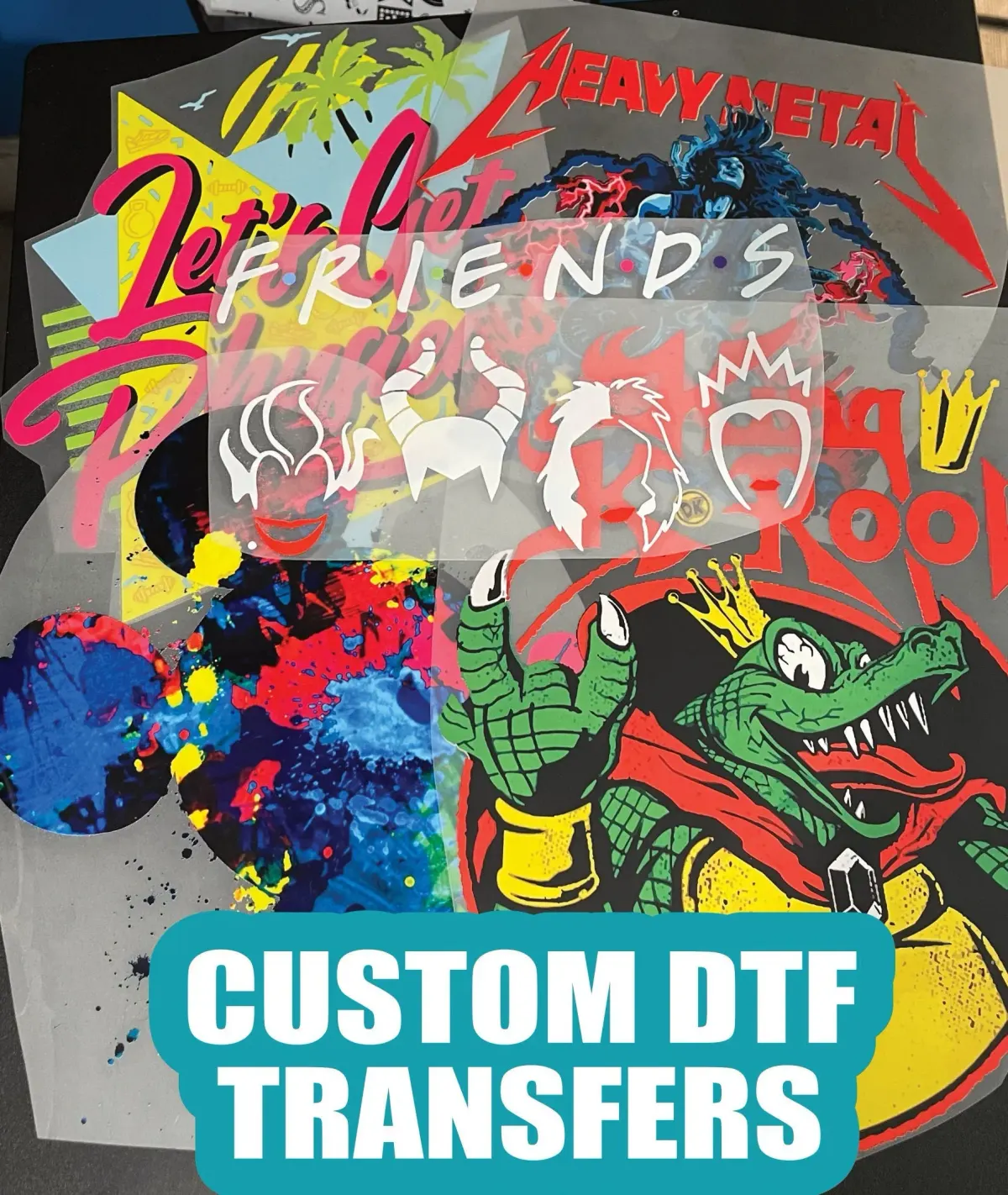
DTF Transfers, short for Direct to Film transfers, represent a revolutionary technique in custom printing that has taken the industry by storm. This innovative method enables vibrant, multi-colored designs to be seamlessly transferred onto various fabric types, making it a favorite among creators and businesses alike. Mastering the DTF transfer process is essential for anyone eager to explore this expanding market or improve their current printing skills. Dive into the nuances of DTF printing with us as we provide not only the fundamentals but also practical DTF printing tips and best practices. With a focus on quality materials and the right equipment, we will guide you through a comprehensive DTF printing tutorial that unlocks the secrets to stunning printed designs.
The world of custom apparel printing has embraced a cutting-edge technique known as Direct to Film application. Often referred to as film-based transfer printing, this method allows creators to inject life into fabrics with stunning, high-resolution graphics. It's vital to understand the steps in the DTF transfer process, from preparing your materials to executing the application with precision for optimal durability and color vibrancy. As we delve into the intricacies of the film transfer technique, you'll discover valuable tips and resources that will illuminate your journey in mastering this popular printing method. Join us as we explore the essential components and innovative practices within the realm of film printing technology.
The Basics of Direct to Film (DTF) Printing
Direct to Film (DTF) printing represents a revolutionary method in modern garment decoration, facilitating the transfer of intricate designs directly onto various fabrics. At its core, DTF printing uses specialized inks, which are printed onto a film that is then applied to the fabric using heat and pressure. This technology has gained popularity due to its ability to produce vibrant, long-lasting designs while maintaining the fabric's original feel and flexibility. Understanding the fundamental components, such as the type of DTF inks and films available, is crucial for anyone looking to succeed in this market.
A significant advantage of DTF printing is its versatility. Unlike traditional screen printing, which requires setup time and can be costly for short runs, DTF allows for quick changes and small batch production. This makes it an attractive option for custom print shops and creators aiming to serve a variety of clients with bespoke designs. Additionally, advancements in DTF technology continue to surface, leading to improvements in the durability and vibrancy of prints, thereby encouraging more businesses to incorporate this innovative approach into their offerings.
Essential DTF Printing Materials
When diving into the world of DTF printing, one of the most critical factors for success is sourcing high-quality materials. The key components include DTF films, DTF inks, and a reliable heat press machine. Choosing the right type of DTF film is essential, as inferior films can lead to poor adhesion and print quality. High-quality films are designed to withstand the heat and pressure applied during the transfer process without warping or degrading. Similarly, the inks used must be compatible with the films and formulated to achieve a strong bond with the fabric for optimal results.
In addition to DTF films and inks, selecting a proper heat press is integral to achieving flawless transfers. The heat press needs to provide consistent temperature and pressure across the entire surface area to ensure that the design adheres perfectly to the garment. For beginners, investing in a heat press with digital settings can greatly enhance accuracy in temperature and pressure application, making the transfer process more user-friendly. By utilizing top-notch materials and equipment, you will significantly improve the quality and longevity of your DTF transfers.
Preparing for DTF Printing Success
Preparation is vital for executing successful DTF transfers; a well-thought-out setup can make a significant difference. Start by configuring your printer correctly, ensuring it produces high resolutions that capture the detail of your artwork. Color profiles also play a crucial role in the accuracy of prints; utilizing the proper ICC profiles tailored for your DTF inks guarantees true color representation in your final product. These preliminary settings are essential steps that can prevent headaches later in the process.
Moreover, careful selection and preparation of your printing materials can greatly reduce errors during the transfer process. Prior to printing, it is advisable to perform a test print to check the quality and accuracy of colors. This not only helps in defining the adjustments needed for successful transfers but also boosts confidence in your overall production process. By emphasizing thorough preparation, you set the stage for high-quality output and satisfied customers.
Mastering the DTF Transfer Process
The DTF transfer process is a delicate blend of timing, temperature, and technique; mastering these elements is essential for achieving the best results. Correctly setting the temperature and pressure on your heat press according to the type of fabric being used ensures that the transfer adheres properly without damaging the garment. For heavyweight cotton fabrics, a setting of 325°F for 10-15 seconds is often effective, while polyester might require a slightly higher temperature and shorter time span.
Additionally, employing correct application techniques can further enhance the quality of your transfers. A crucial step in the process is the pre-press—briefly pressing the fabric prior to applying the transfer can eliminate moisture and wrinkles, leading to better adherence and smoother finishes. After completing the transfer, allowing the design to cool before peeling the film is another best practice to prevent lifting, ensuring that the print remains intact and visually appealing.
Troubleshooting Common DTF Issues
Even the most experienced DTF printers can encounter issues. Troubleshooting these challenges requires a keen eye and a methodical approach. Common problems such as designs not holding well on the fabric might indicate incorrect application of heat and pressure. If you find that colors fade quickly, it could be a sign of using low-quality inks or improper printer settings. Regular maintenance of your equipment, including cleaning printer heads and ensuring optimal ink quality, can often mitigate these problems.
Furthermore, establishing a routine quality control process can help in identifying issues early on. Regularly inspecting printed transfers for inconsistencies in color or adhesion can lead to improved outcomes. By putting systematic checks into place, you can not only reduce the likelihood of errors but also build trust with your clients by consistently delivering high-caliber printed products. Maintaining diligence and attention to detail sets the stage for success in DTF printing.
Future Trends in DTF Printing Technology
As the custom printing industry grows, DTF printing technology continues to evolve, introducing new advancements that enhance the printing experience and output quality. Innovations in ink chemistry play a pivotal role, with new formulations being developed that not only improve durability and vibrancy but also provide better adhesion to textiles. This means that print longevity is significantly increased, allowing for more competitive offerings in a crowded market.
Additionally, advancements in film technology are also notable, with newer films designed specifically to improve the transfer process and reduce common issues such as lifting and peeling. Our understanding of materials continues to enhance the printing process, ensuring that those who invest in DTF printing technology can offer superior products that meet modern demands. Staying abreast of these advancements will be crucial for anyone looking to remain competitive in the custom printing landscape.
Frequently Asked Questions
What is the DTF transfer process, and how does it work?
The DTF transfer process involves printing your designs onto a specialized film using DTF inks. After printing, the design is coated with adhesive powder, which is then heated to bond the ink to the adhesive. The film is then transferred to the fabric using a heat press, allowing vibrant, full-color prints on various materials.
What are some essential DTF printing tips for beginners?
For beginners in DTF printing, key tips include: selecting high-quality DTF film and inks, ensuring your printer settings are correct (high resolution and proper ICC profiles), pre-pressing the fabric to remove moisture, and adhering to the recommended temperature and pressure settings based on the fabric type.
What materials do I need for successful DTF printing?
To achieve successful DTF printing, you will need quality DTF film, DTF inks, an appropriate heat press machine, and various fabrics suitable for printing. Additionally, adhesive powder is required for binding the ink during the transfer process.
How do I troubleshoot common issues with DTF transfers?
Common issues in DTF transfers include poor adhesion, fading colors, and printer clogs. To troubleshoot, ensure proper heat and pressure settings, use high-quality inks, perform regular printer maintenance such as cleaning the heads, and double-check your materials for quality.
Can I use a regular printer for DTF printing?
While a regular printer might be suitable for initial testing, for optimal results in DTF printing, it's recommended to use a printer specifically designed for DTF provided it can adequately handle the special DTF inks and film. This ensures higher resolution prints and better adhesion.
Are there any online resources for learning DTF printing techniques?
Yes, there are numerous online resources available for learning DTF printing techniques. Platforms like YouTube offer visual tutorials, while community forums and print supply vendors provide guides and support resources that can help enhance your DTF printing skills.
| Key Points | Details |
|---|---|
| Understanding DTF Printing | A method for printing vibrant, full-color designs onto fabrics. |
| Key Components | 1. DTF Film: High-quality, heat-resistant film. 2. DTF Inks: Specially formulated for vibrant prints. 3. Heat Press Machine: Essential for transferring prints. |
| Preparation and Setup | Set printer resolution high and ensure correct ICC color profiles. |
| Transfer Process | Consult manufacturer guidelines for temperature settings for different fabrics. |
| Maintenance and Troubleshooting | Regularly clean printer heads and conduct quality checks on prints. |
| Advancements in DTF Technology | New ink formulations and film technology enhance durability and visual appeal. |
| Learning Resources | Online tutorials, community forums, and print supply vendor guides. |
Summary
DTF Transfers are revolutionizing the custom printing industry, providing a means to create vibrant, durable designs on an array of fabrics. This comprehensive guide emphasizes the importance of mastering the technical aspects of DTF printing, from preparation to execution. By focusing on quality materials, maintaining equipment, and staying updated with technological advancements, users can achieve stunning and long-lasting results. The journey into DTF transfers not only enhances creative expression but also opens doors to new business opportunities in custom apparel and promotional items.