
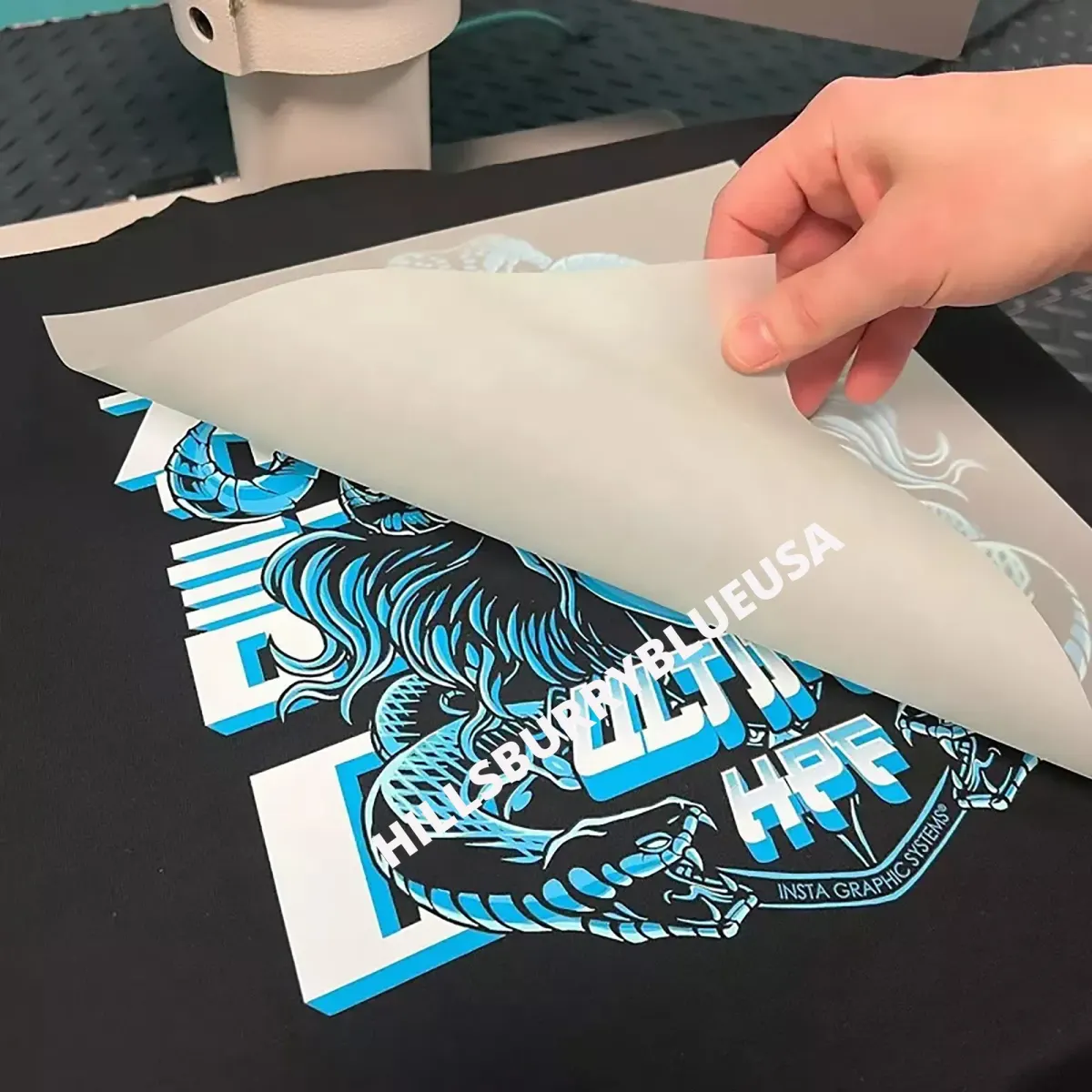
DTF transfers, short for Direct-to-Film transfers, are quickly becoming a game-changer in the textile printing industry. This innovative technique allows for the vibrant printing of custom designs onto fabrics, thereby creating captivating custom apparel that stands out. Unlike traditional methods, the DTF printing process utilizes a film layer, ensuring that intricate details and brilliant colors are captured with ease. Additionally, DTF transfers contribute to sustainable printing practices, reducing waste and offering eco-friendly solutions for designers. In this introductory guide, we will delve into the world of DTF transfers, exploring the unique advantages they offer to both beginners and seasoned custom printing enthusiasts.
Revolutionizing the way we create custom apparel, Direct-to-Film technology, also known as DTF transfers, allows artists and designers to bring their visions to life with unparalleled clarity and detail. This advanced method of textile printing, which involves transferring designs through a specially coated film, offers a fresh perspective on fabric customization. By leveraging the power of sustainable printing practices, DTF transfers not only enhance the aesthetic appeal of garments but also play a crucial role in reducing environmental impact. As we explore this exciting printing process further, it becomes clear that DTF embodies a harmonious blend of innovation, quality, and eco-friendliness in the world of textile printing.
Understanding the Basics of DTF Transfers
Direct-to-Film (DTF) transfers are at the forefront of modern textile printing, providing an innovative way to apply designs onto fabrics. This unique method distinguishes itself from traditional Direct-to-Garment (DTG) printing by utilizing a specialized film as the medium through which ink is transferred. The process begins with printing a design onto a specific polyester film, allowing for intricate details and vibrant colors that are critical in custom apparel. The film acts as a canvas, ensuring that the ink adheres beautifully to the fabric while maintaining the integrity of the material during the heat transfer.
One of the key advantages of DTF transfers is the ability to print on a wide range of substrates, including cotton, polyester, and blends. This versatility enables creators and brands to cater to different market demands, whether they are producing T-shirts, hoodies, or other textile products. Additionally, the DTF printing process promises durability, ensuring that the colors remain bright and the designs intact even after numerous washes, thus making it a popular choice for businesses looking to provide quality products.
The Step-by-Step DTF Printing Process Explained
To fully grasp the advantages of DTF printing, it's essential to understand its detailed process. Initially, the designer creates their artwork using graphic design software like Adobe Illustrator or CorelDRAW. This digital design greatly influences the outcome of the final product, as complex graphics and vivid colors can be articulated in the design phase. Once the design is ready, it is printed onto a film using a specialized DTF printer, which employs specially formulated inks ensuring ideal adhesion to the film surface.
After printing, the next critical step involves applying a hot-melt adhesive powder to the wet ink. This powder is then activated through heat, forming a robust bond between the ink and the film. Following this, the prepared film is pressed onto the target fabric with heat and pressure, effectively transferring the design onto the garment. This meticulous process allows for high-quality and colorful prints that stand out on various fabrics, making DTF an excellent choice for custom apparel enthusiasts.
Advantages of Choosing DTF Transfers
DTF transfers come with numerous advantages that set them apart from traditional printing methods. One of the most significant benefits is their versatility; they can be applied to various textiles, including cotton, polyester, and even blends. This makes DTF an ideal solution for custom apparel manufacturers who wish to offer a diverse product range. Furthermore, the durability of DTF prints is unmatched, keeping colors vibrant and designs sharp even after multiple washes, thus enhancing customer satisfaction.
Another compelling reason to consider DTF transfers is their eco-friendly nature. The process generates far less waste than conventional printing techniques, aligning well with the growing demand for sustainable printing solutions. By utilizing DTF technology, businesses not only produce high-quality custom apparel but also contribute positively to environmental conservation efforts.
Resources and Learning Opportunities for Beginners
Starting with DTF transfers can be daunting, but numerous resources are available to help beginners navigate their way through the process. Online platforms like YouTube feature a wealth of tutorials illustrating various aspects of DTF printing—from selecting the right equipment to mastering the transfer technique. These visual guides are invaluable for those looking to familiarize themselves with the process and gain practical insights.
Additionally, there are informative articles and blog posts specifically aimed at novice DTF printers. For instance, resources like "The Best DTF Transfers: Where to Find Them and How to Use" provide comprehensive overviews on sourcing quality materials and executing prints. Engaging with online communities and forums where experienced printers gather can also yield support, advice, and motivation. This open exchange of knowledge can greatly enhance the learning curve for beginners venturing into DTF printing.
Common Pitfalls to Avoid in DTF Printing
While the DTF printing process is straightforward, beginners can easily fall into several traps that may hinder their success. One common mistake involves inconsistent heat and pressure application during the transfer step, which can result in poor adhesion or faded designs. It's crucial to invest in a reliable heat press and familiarize oneself with the correct settings for various materials to achieve optimal results.
Another pitfall is neglecting to ensure material compatibility with DTF transfers. Not all fabrics are suitable for this method, and using incompatible materials can lead to subpar results. Beginners should conduct thorough research on the fabrics they wish to use, ensuring they work harmoniously with the DTF process, to avoid disappointing outcomes.
The Future of DTF Transfers in Textile Printing
As the textile printing industry continues to evolve, DTF transfers are poised to become a staple for custom apparel manufacturers. The technology offers an efficient, cost-effective, and environmentally friendly alternative to traditional printing methods. With consumers increasingly demanding high-quality, personalized items, DTF printing is well-positioned to meet these needs—providing vibrant, intricate designs that stand the test of time.
Moreover, continuous advancements in DTF technology promise to enhance the overall experience for both beginners and seasoned professionals alike. As innovations arise, the quality of inks and films is expected to improve, further widening the possibilities for creative expression in custom apparel. This progressive trend indicates that the future of DTF transfers will likely see even greater acceptance and use across the industry as businesses adapt to meet the demands of the textile market.
Frequently Asked Questions
What are DTF transfers and how do they work?
DTF transfers, or Direct-to-Film transfers, involve printing designs onto a special PET film which is then transferred onto a fabric using heat and pressure. This printing process allows for vibrant colors and intricate designs, making it an excellent choice for custom apparel.
What materials can I use for DTF transfers?
DTF printing is versatile and can be applied to a variety of materials including cotton, polyester, and blends. This flexibility ensures that you can create custom apparel on different fabric types without compromising quality.
What are the benefits of using DTF transfers in textile printing?
The advantages of using DTF transfers include high-quality output with excellent color vibrancy, less waste compared to traditional methods, and eco-friendly practices. DTF is also cost-effective, especially for small businesses and hobbyists due to its efficient printing capabilities.
How does the DTF printing process differ from Direct-to-Garment (DTG) printing?
Unlike Direct-to-Garment (DTG) printing, which applies ink directly onto fabric, DTF printing uses a transfer film. This method allows for more vibrant designs and detailed prints that maintain their integrity through multiple washes.
What common mistakes should beginners avoid when starting with DTF transfers?
Beginners should avoid inconsistent heat and pressure, neglecting material compatibility, and using low-quality materials. These mistakes can lead to poor adhesion and fading designs, undermining the benefits of the DTF printing process.
Are there resources available for beginners to learn more about DTF transfers?
Yes, there are plenty of resources available including tutorials on YouTube, in-depth articles, and supportive online communities. These can provide guidance on everything from the DTF printing process to tips on achieving the best print quality.
| Aspect | Details |
|---|---|
| Definition | DTF (Direct-to-Film) transfers involve printing designs onto a special film before transferring them to fabric. |
| Process Steps | 1. Design Creation 2. Printing onto Film 3. Applying Adhesive Powder 4. Transferring to Fabric 5. Final Touches |
| Benefits | - Versatile for various materials. - High-quality outputs with vibrant colors. - Less waste and more eco-friendly compared to traditional methods. |
| Learning Resources | - Online tutorials and videos. - Articles and guides for best practices. - Communities and forums for support and tips. |
| Common Mistakes | - Inconsistent heat and pressure. - Ignoring material compatibility. - Underestimating quality of supplies. |
Summary
DTF transfers have transformed the landscape of custom apparel printing by offering a revolutionary approach to creating high-quality and vivid designs. This innovative technique allows users to easily apply intricate prints to a variety of fabrics while ensuring durability and vibrancy. As more enthusiasts discover the versatile applications and eco-friendly benefits of DTF transfers, they gain the ability to elevate their creative projects significantly. With resources and support readily available, there has never been a better time to dive into the vibrant world of DTF transfers.