
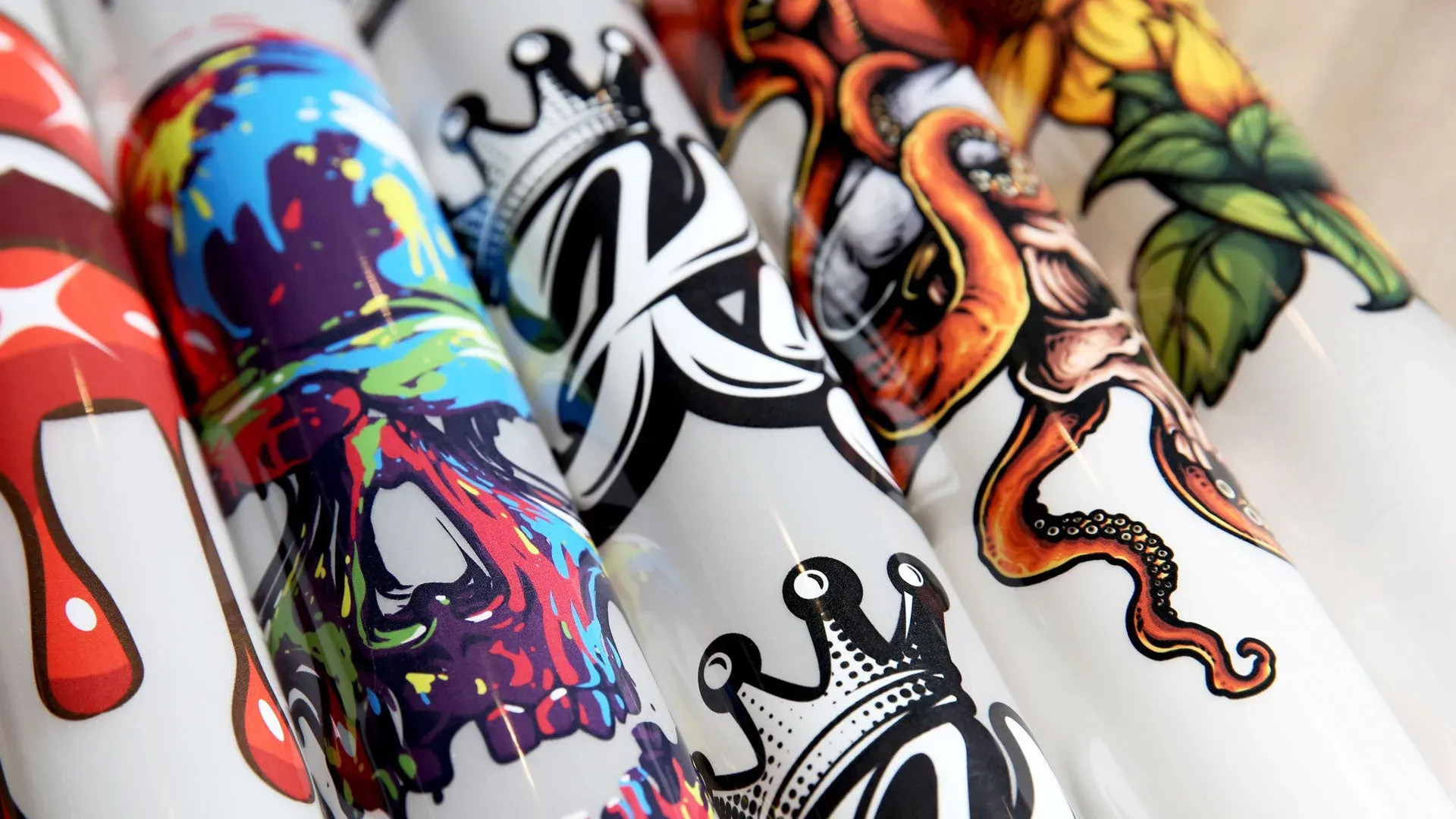
In the rapidly evolving world of custom apparel, DTF transfers are revolutionizing the way designers approach garment printing. Direct-to-Film (DTF) printing technology stands out as an innovative solution that combines striking visuals with ease of use, making it a preferred choice among business owners. This modern method of custom apparel printing allows intricate and vibrant designs to be applied directly onto various fabrics, surpassing traditional screen printing alternatives. With its potential for quick turnaround times and high-quality results, DTF has become integral in the creation of unique custom clothing designs tailored to meet diverse consumer needs. As the demand for personalized apparel continues to rise, DTF transfers are not just a trend—they're setting the gold standard for the industry.
DTF printing technology represents a significant advancement in the field of fabric decoration, introducing a method that enhances both creativity and efficiency for apparel producers. This innovative technique, often referred to as Direct-to-Film printing, allows businesses to produce detailed and colorful images on textiles with ease. Unlike conventional methods, DTF enables a more straightforward process for designers looking to craft bespoke clothing lines. The appeal of this printing style lies not solely in its vibrant outputs but also in its cost-effectiveness and sustainability, making it an attractive option for custom apparel companies of all sizes. As market dynamics shift toward personalization and unique designs, the adoption of DTF transfers is priming businesses for success in a competitive landscape.
Understanding DTF Transfers: A Revolutionary Approach to Custom Printing
In recent years, Direct-to-Film (DTF) transfers have emerged as a significant advancement in the world of custom apparel printing. Unlike traditional techniques that limit design complexity and color vibrancy, DTF technology prints intricate designs onto a specialized film which is then heat-pressed onto fabric. This method opens new avenues for creativity, allowing designers to work with a broader palette and detailed images, which is especially valuable for custom clothing designs that demand precision and quality.
The appeal of DTF transfers lies not only in their capability to produce vibrant, high-resolution prints but also in their versatility. These transfers can be applied to a variety of fabrics—from cotton and polyester to blends—making them an ideal choice for a wide range of apparel products. As a result, businesses within the custom apparel industry are increasingly adopting DTF technology to cater to diverse consumer preferences and trends.
The Economic Advantages of DTF Transfers for Businesses
Economic efficiency is a significant driver in the competitive world of custom apparel. DTF transfers provide a cost-effective solution by minimizing material waste and reducing setup times. Unlike traditional screen printing, which requires intricate setups for each design or color, DTF printing can produce multiple designs with minimal delays. This not only lowers operational costs but also enables businesses to fulfill customer orders quickly, enhancing overall productivity.
Moreover, these transfers allow for small batch runs without the hefty setup fees typically associated with large production processes. For small businesses and startups in the custom apparel sector, this means a lower barrier to entry, making it easier to experiment with different designs and respond to market demands without overcommitting resources.
DTF Transfers vs. Traditional Printing Methods: A Comparison
The advent of DTF transfers has sparked intense discussions regarding their advantages over traditional printing methods like screen printing and heat transfer. One major benefit of DTF printing is the quality of output. DTF technology produces brighter colors and sharper details, which are critical when clients seek vibrant and effective branding on their apparel. Furthermore, the durability of DTF prints often surpasses that of screen prints, which may crack or fade over time, enhancing its appeal for durable, high-quality custom clothing.
Another key difference lies in the flexibility of design. Traditional methods often struggle with complex images or color gradients. DTF printing, however, excels in producing detailed graphics with smooth gradients, meeting the needs of modern consumers who desire not just basic prints, but artistic expressions on their apparel. This makes DTF a superior choice for businesses looking to differentiate their offerings in a crowded marketplace.
Enhancing Customer Satisfaction with DTF Transfers
The stakes in the custom apparel industry revolve around customer satisfaction, and DTF transfers play a pivotal role in achieving this. By allowing for customizable, high-quality outputs, businesses can better meet the specific demands of their clients. Whether it’s a small batch of personalized shirts for an event or a larger order for a corporate branding initiative, DTF transfers enable the production of apparel that resonates with personal and professional branding requirements.
Moreover, the quick turnaround time associated with DTF printing ensures that customers receive their orders promptly. This responsiveness not only boosts customer loyalty but also encourages repeat business in an industry where timing can significantly affect purchasing decisions. By embracing DTF technology, companies can enhance the overall customer experience while simultaneously modernizing their production practices.
The Impact of DTF Technology on Sustainability in Apparel Printing
Sustainability has become an essential focus in the custom apparel industry as consumers increasingly demand environmentally friendly practices. DTF transfers contribute to this movement by significantly reducing waste typically associated with traditional printing methods. With less material needed for setups and the ability to print directly onto films without unnecessary ink loss, DTF is carving a path toward more sustainable production processes.
Additionally, the durability of DTF prints means garments retain their quality over time, which reduces the need for frequent replacements and, consequently, waste. As brands strive to align with eco-conscious standards, adopting DTF technology not only addresses consumer preferences but also promotes responsible manufacturing practices that can ensure a sustainable future for the custom apparel industry.
Future Trends in Custom Apparel: DTF Printing's Role
The custom apparel industry is on the brink of significant transformation, and DTF printing technology is at the forefront of this evolution. Industry forecasts indicate that as awareness of DTF's advantages spreads, its adoption will become more widespread. This trend suggests a shift in how brands will approach production, moving from traditional methods to more innovative, adaptable solutions that meet modern consumer expectations.
Moreover, advancements in DTF technology are likely to lead to even more enhancements in print quality, speed, and cost-effectiveness. With ongoing developments, businesses can anticipate a future where DTF transfers will not only dominate the custom apparel market but also inspire new design trends and techniques that prioritize both aesthetic appeal and efficient production.
Frequently Asked Questions
What are DTF transfers and how do they work in custom apparel printing?
DTF transfers, or Direct-to-Film transfers, utilize a unique printing method where designs are printed onto a special film that is then transferred to fabric using heat and pressure. This allows for vibrant, high-quality prints on a variety of textiles, making it an ideal choice for custom apparel printing.
How do DTF transfers compare to screen printing alternatives in terms of quality?
DTF transfers are known for their superior quality compared to traditional screen printing methods. The colors produced are vivid and durable, resistant to cracking and fading, ensuring that custom apparel maintains its aesthetic appeal even after multiple washes.
What advantages do DTF printing technology offer for custom clothing designs?
DTF printing technology provides several advantages for custom clothing designs, including the ability to produce intricate, full-color designs on various materials quickly and efficiently. This makes it ideal for both one-off designs and large production runs, enhancing creativity and adaptability.
Is DTF printing technology suitable for small businesses in the custom apparel market?
Yes, DTF printing technology is particularly suitable for small businesses due to its user-friendly process and cost-effectiveness. With reduced setup times and less material waste, small businesses can efficiently fulfill custom orders while maintaining high-quality output.
Can DTF transfers be used for a variety of fabric types?
Absolutely! One of the key benefits of DTF transfers is their versatility. They can be applied to a wide range of fabric types, including cotton, polyester, and blends, making them an excellent choice for diverse custom apparel products.
What is the future market potential for DTF transfers in the custom apparel industry?
The market potential for DTF transfers is promising, with an expected growth in demand as technology advances and becomes more affordable. As more businesses adopt DTF printing, its role as a transformative force in the custom apparel industry will likely continue to expand.
| Key Point | Description |
|---|---|
| What are DTF Transfers? | Direct-to-Film (DTF) printing allows intricate designs to be printed in full color onto various textiles, distinguishing it from traditional methods like screen printing. |
| Benefits of DTF Transfers | 1. **Growth in Popularity:** DTF printing is rapidly gaining acceptance due to its versatility and vivid color production on diverse materials. 2. **Efficiency and Cost-Effectiveness:** Streamlined production translates to faster turnaround times with reduced waste, making DTF a sustainable choice. 3. **High-Quality Output:** DTF transfers are durable and maintain visual appeal post-wash, ideal for everyday wear. 4. **User-Friendly Process:** Evolving technology makes DTF accessible even for beginners in the custom apparel market. 5. **Customization Potential:** Easily adaptable to consumer trends, catering to niche markets and personal requests. 6. **Market Predictions:** Growing demand for DTF technology is projected due to its affordable and transformative nature in apparel manufacturing. |
| Conclusion | DTF transfers are revolutionizing the custom apparel landscape by combining high-quality output, efficiency, and sustainability. Embracing this technology is essential for businesses aiming to thrive in today’s competitive market. |
Summary
DTF Transfers are significantly transforming the custom apparel industry with their innovative approach to printing. This technology allows for detailed, high-quality, full-color designs that can be applied to a variety of materials, distinguishing them from traditional printing methods. The growing popularity of DTF transfers can be attributed to their efficiency and cost-effectiveness, enabling businesses to meet consumer demands swiftly while minimizing waste. Moreover, DTF transfers boast exceptional durability, ensuring that custom garments maintain their vibrant look after multiple washes. As the market continues to evolve, the user-friendly nature of DTF technology is making it accessible for new entrants, further promoting customization and innovation in the apparel sector. Therefore, investing in DTF technology is not only a forward-thinking move for companies in the custom apparel landscape but also a crucial strategy for staying competitive.