
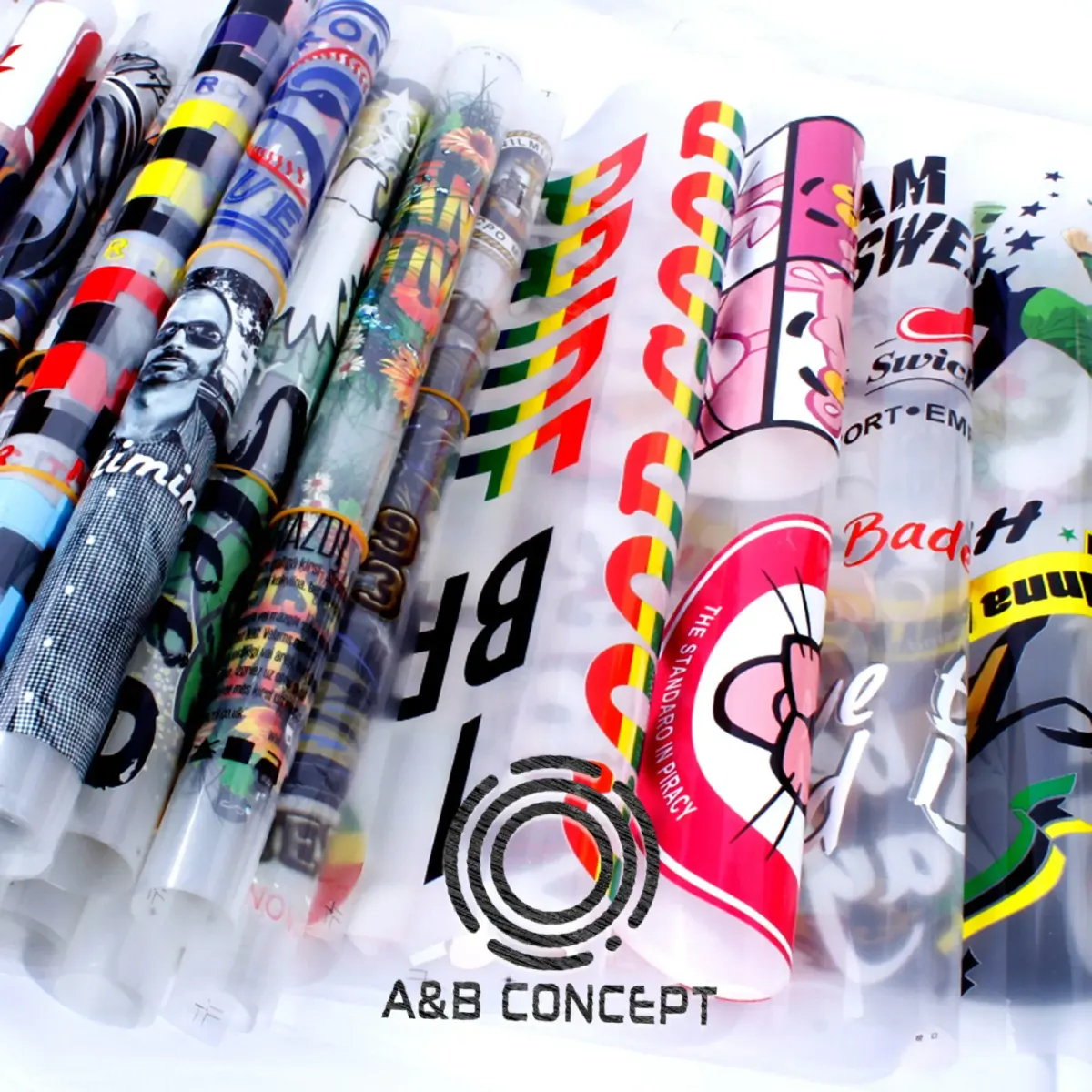
DTF transfers, or Direct-to-Film transfers, have sparked a transformation in the printing industry, allowing for high-quality and vibrant designs on a variety of materials. As practitioners dive into the world of DTF printing, they often encounter myriad challenges that can hinder the stunning impact of their prints. Recognizing and avoiding common DTF printing mistakes is crucial to achieving exceptional DTF transfer quality. From selecting the right DTF film and ink to perfecting heat pressing DTF transfers, each step requires attention to detail to ensure successful results. This guide will explore the top mistakes to steer clear of, enabling you to optimize DTF designs for breathtaking outcomes with every application.
When it comes to Direct-to-Film printing, achieving remarkable results hinges on understanding the nuances involved in the process. Known as DTF printing, this innovative technique consists of applying detailed designs onto specialty films, which are then heat-pressed onto various fabrics. Despite its rising popularity, many individuals fall prey to frequent pitfalls that can compromise the integrity and vividness of their designs. By exploring essential terms like DTF film and ink as well as the principles of heat application, we can unlock the secrets to enhancing print quality. Avoiding common DTF printing mistakes is a vital step in consistently delivering impressive products.
Understanding DTF Printing Fundamentals
Direct-to-Film (DTF) printing has revolutionized the custom printing industry, allowing for brilliantly vivid designs to be transferred seamlessly onto various materials. At its core, DTF transfers utilize specialized techniques combining heat and pressure to ensure that prints adhere effectively. With DTF, artists and makers enjoy the flexibility to print on a multitude of substrates like cotton and polyester blends, making it a go-to choice for many businesses and individuals looking to create customized apparel.
However, newcomers to DTF printing must grasp the foundational principles before diving deeper. It’s not just about the print itself, but understanding the entire process from selecting high-quality DTF film and ink to setting up the print environment. Proper learning and exploration of common mistakes can empower creators to achieve superior DTF transfer quality that stands the test of time.
Top DTF Printing Mistakes to Avoid
One common pitfall in DTF printing is the choice of materials used. Beginners often select low-quality DTF film and ink that can severely diminish the final print quality. By investing in reputable DTF materials, users can significantly ensure better adhesion, prevent discoloration, and eliminate peeling issues down the line. Researching high-quality options not only aids in the quality of prints but enhances overall satisfaction with the final product.
In addition to material choices, many individuals struggle with incorrect printer settings that directly impact the transfer quality. A common mistake is overlooking the precise recommendations for temperature, speed, and ink density tailored to the substrate being used. By properly calibrating printer settings and conducting tests, users can develop a process that consistently produces excellent results through optimized DTF designs.
The Importance of Pre-Press Preparations
Before applying DTF transfers, the preparation of the substrate cannot be overstated. Many beginners neglect cleaning their surfaces adequately, which can lead to adhesion failures and unsatisfactory results. Properly pre-pressing your material, such as using a lint roller or cleaning agents, ensures that the DTF transfer adheres well and allows the design to maintain its vibrancy over time.
Incorporating pre-press checks into your workflow will significantly enhance your DTF transfer quality. Setting aside time to ensure the substrate is free of dust and oils can save considerable frustration later on when the design fails to appear as intended.
Mastering the Heat Pressing Technique
Successful heat pressing is pivotal for ensuring that DTF transfers adhere properly to substrates. Incorrect temperatures, pressure settings, or duration can lead to incomplete transfers or damage to the printed design. Following guidelines provided by manufacturers regarding heat settings is essential for achieving optimal results.
Before finalizing your production process, engage in test presses with various temperature and pressure settings. Documenting these experiments can help identify the perfect combination, reinforcing the idea that preparation and mastery of heat pressing techniques are vital for successful DTF transfers.
Post-Transfer Care for Long-Lasting Quality
Once the DTF transfer has been successfully applied, understanding proper care practices is essential for maintaining design quality. Many users might overlook this final step, risking damage through improper washing and drying techniques. To preserve the integrity of your designs, opt for washing in cold water and air drying, steering clear of bleach or fabric softeners that can degrade the print.
Additionally, educating oneself on the best practices for post-transfer care can extend the life and vibrancy of DTF prints. Clients often appreciate high-quality work that continues to look new over time, which underlines the importance of caring for your DTF transfers properly.
Effective Design Optimization Techniques
One major aspect that can make or break a DTF print is the design itself. Many new users jump into printing without adequately preparing their artwork for the intended substrate. The nuances of how colors react and how images appear on different materials should always be considered.
Investing time in optimizing DTF designs upfront will ensure that the final product meets expectations. Mocking up designs on various substrates before committing to printing helps in evaluating how the colors translate from screen to finished product.
Frequently Asked Questions
What are common DTF printing mistakes and how can I avoid them?
Common DTF printing mistakes include using poor quality film and ink, incorrect printer settings, neglecting pre-press preparations, improper heat pressing, ignoring post-transfer care, and underestimating design preparation. To avoid these, invest in high-quality DTF materials, thoroughly check your printer settings, properly prepare your substrate, follow heat pressing guidelines, care for your transfers post-application, and mock up designs on the intended substrate before printing.
How does the quality of DTF film and ink affect the final transfer product?
The quality of DTF film and ink is crucial for achieving high-quality transfers. Low-quality materials can result in poor adhesion, blurriness, and premature peeling. Therefore, always choose reputable brands and conduct tests to ensure your DTF transfer quality meets your expectations.
What should I consider when heat pressing DTF transfers?
When heat pressing DTF transfers, consider the temperature, pressure, and timing. Following manufacturers’ guidelines for these settings is critical to avoid substrate damage and ensure complete transfers. Conduct test presses to find the optimal conditions for your specific DTF materials.
How can I optimize my DTF designs for better results?
To optimize DTF designs, create mock-ups on the actual substrates you plan to use, paying attention to how colors will appear once printed. Ensure your graphics are appropriately sized and formatted to fit the DTF process, which will help in achieving better transfer quality.
What pre-press preparations are necessary for successful DTF transfers?
Pre-press preparations for DTF transfers include cleaning the substrate to remove dust and oils, ensuring a smooth surface for better adhesion. Utilizing a lint roller can help eliminate debris, facilitating a successful transfer application.
What are the best practices for maintaining DTF transfer quality after application?
To maintain DTF transfer quality, wash the transferred garments in cold water and air dry them to prevent peeling or fading. Avoid bleach and fabric softeners, as they can damage the print quality and longevity of your designs.
| Mistake | Description | Solution |
|---|---|---|
| Poor Quality Film and Ink | Using low-quality materials can lead to poor adhesion and blurriness. | Invest in reputable brands and read reviews before purchasing. |
| Incorrect Printing Settings | Mistakes in printer settings can cause faded or failed prints. | Refer to printer manual for recommended settings and conduct test runs. |
| Neglecting Pre-Press Preparations | Not cleaning the substrate can lead to adhesion issues. | Clean surfaces with a lint roller before applying transfers. |
| Improper Heat Pressing | Incorrect temperature, pressure, or timing can ruin transfers. | Follow manufacturer guidelines and perform test presses. |
| Ignoring Post-Transfer Care | Improper washing or drying can lead to fading. | Wash in cold water and air dry. Avoid bleach and softeners. |
| Underestimating Design Preparation | Not considering how designs will appear on substrates leads to disappointment. | Mock up designs on actual substrates before final printing. |
| Testing for Removal | Not knowing how easily a transfer can be removed can cause costly mistakes. | Test designs on materials first to check for removal ease. |
Summary
DTF Transfers have revolutionized printing, allowing for stunning designs on various materials. However, navigating the complexities of DTF printing requires knowledge to avoid common mistakes that can affect quality. New users must prioritize the use of high-quality materials, ensure correct printing and heat pressing settings, and meticulously prepare both their designs and substrates for successful results. By avoiding pitfalls such as improper care and neglect of pre-press steps, printers can produce transfer prints that not only capture attention but also endure over time. Embracing these best practices will result in vibrant, detailed, and durable DTF transfers that meet the artist's vision.