
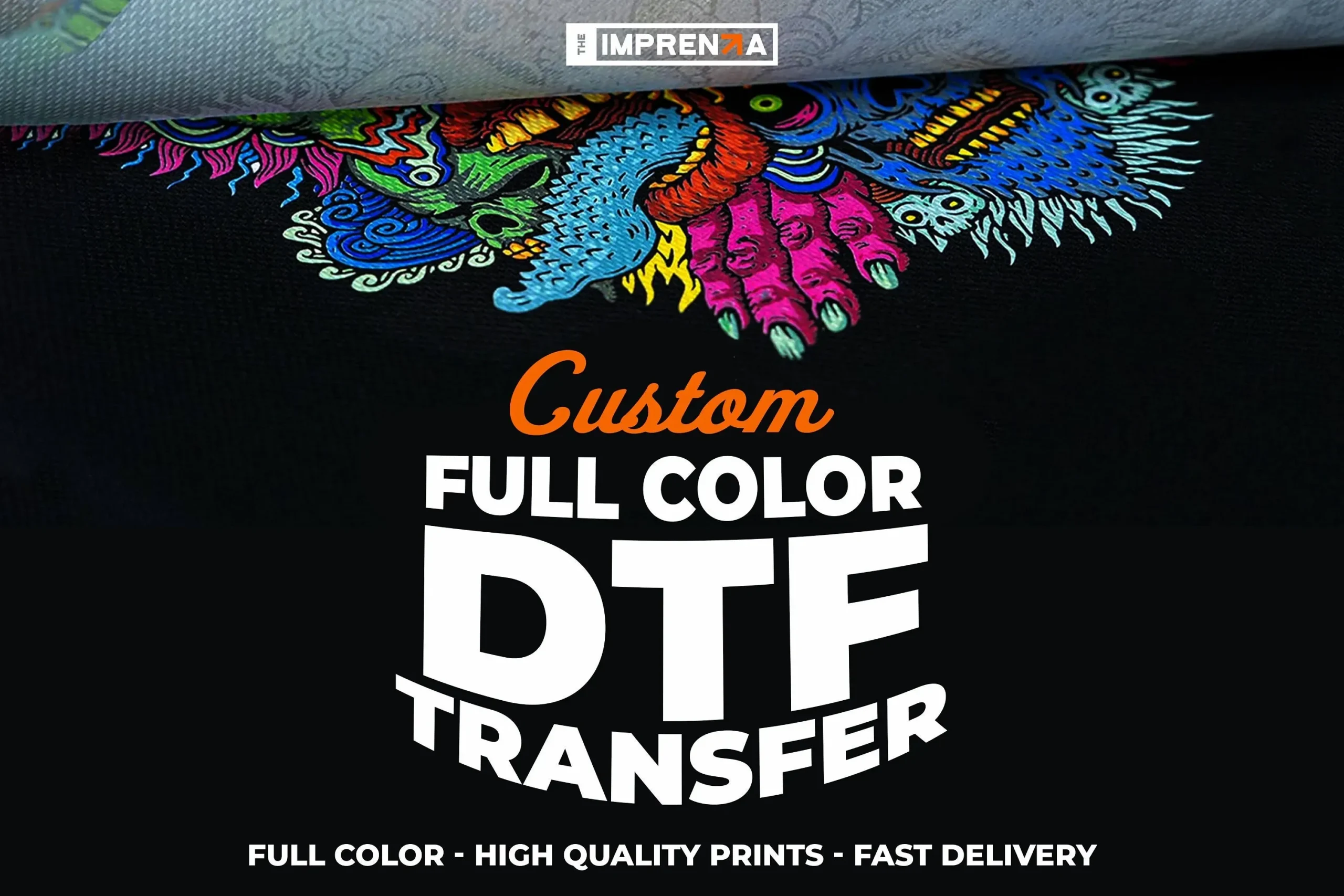
DTF Transfers, or Direct-to-Film printing, represent a cutting-edge technique for transferring vibrant designs onto fabrics, creating a game-changer for custom printing enthusiasts and professionals alike. This innovative fabric transfer method allows for intricate, high-resolution images to be printed on a wide variety of materials, ensuring stunning outcomes and exceptional durability. In this blog post, we’ll delve into the essential DTF printing techniques that can elevate your craft, offering quality printing tips to maximize results. Whether you're catering to niche markets or taking on larger commercial projects, mastering DTF transfers will empower you to produce eye-catching fabric designs with ease. Prepare to explore the nuances of this exciting printing method and unlock the full potential of your creative expression.
Direct-to-Film printing, often simply referred to as DTF, is revolutionizing the way designs are applied to textiles, offering unparalleled flexibility and quality. This modern fabric transfer method prioritizes precise image reproduction, enabling artists, designers, and entrepreneurs to bring their visions to life on different fabric types. As businesses and hobbyists look for efficient solutions for high-definition prints, understanding alternative fabric transfer methods and their advantages is crucial. In this article, we will guide you through the intricacies and best practices for achieving optimal DTF print quality while exploring various techniques that complement this dynamic printing style.
Understanding the Basics of DTF Printing
DTF printing, or Direct-to-Film printing, serves as a revolutionary approach in the fabric customization industry. This technique allows for designs to be printed directly onto a film, which is then applied to various textiles using heat. One of the primary attractions of DTF printing is its versatility—it's compatible with an array of fabrics, including cotton, polyester, and blends. Furthermore, it can produce intricate designs, reflecting high-resolution images that capture vibrant colors. Unlike other methods like DTG (Direct-to-Garment) printing, DTF offers a simpler process for customization and is particularly favorable for both small and large scale orders.
As an emerging method, DTF printing stands out for its efficient production time without compromising quality. This technique is especially popular among creatives like fashion designers and merchandise producers, who seek ways to express their artistic visions on textiles. Understanding the intricacies of DTF is key for anyone looking to elevate their fabric printing game, as it emphasizes quality and durability in the final products.
Frequently Asked Questions
What are DTF transfers and how do they work?
DTF transfers, or Direct-to-Film printing, involve creating designs on a special film which can then be transferred to various fabrics using heat and pressure. This innovative fabric transfer method allows for high-resolution images with vibrant colors, making it suitable for a range of materials including cotton and polyester.
What materials are necessary for high-quality DTF transfers?
To achieve high-quality DTF transfers, it is essential to use top-grade DTF film and compatible specialized inks. Using high-quality materials promotes better adhesion, vivid colors, and overall durability in your prints, ensuring they last longer and withstand multiple washes.
How do I set up my printer for DTF printing?
For optimal DTF printing quality, configure your printer settings to at least 1440 DPI for sharp images. Check that your printer is compatible with DTF printing and adjust the settings according to your printer's manual to ensure the best print results.
What is the importance of powder adhesive in the DTF printing process?
The powder adhesive is crucial in the DTF printing process as it bonds the ink to the fabric during the transfer. An even application of adhesive ensures a smooth finish and helps avoid common issues like peeling or cracking in the final print.
What are some common troubleshooting tips for DTF transfer issues?
Common issues with DTF transfers include peeling, fading, and cracking. To troubleshoot these problems, ensure proper adhesion by using the right amount of powder adhesive, verify your ink quality, and follow proper curing instructions using the correct heat and pressure.
How should I care for fabrics printed with DTF transfers?
To maintain the longevity of DTF printed fabrics, wash them inside-out in cold water and avoid fabric softeners. Additionally, allow prints to cool completely before removing the transfer film to ensure the best adherence and print quality.
| Key Points | |
|---|---|
| What is DTF Printing? | DTF printing transfers designs onto fabrics using a special film, enabling high-resolution prints on various materials. |
| Quality Materials Matter | Using high-quality DTF film and inks ensures better adhesion, vivid colors, and durability. |
| Printer Settings | Set the printer to at least 1440 DPI, check ink levels regularly, and follow printer-specific settings for best results. |
| Powder Adhesive Application | Apply adhesive evenly while the ink is wet, removing excess to prevent inconsistencies. |
| Curing Process | Heat press at 300°F for 10-15 seconds with appropriate pressure to ensure proper adhesive bonding. |
| Post-Transfer Care | Cool the print before removing the film and wash inside-out with cold water for longevity. |
| Troubleshooting Common Issues | Address peeling, fading, and cracking through proper adhesion, quality inks, and careful handling. |
Summary
DTF Transfers are an innovative and efficient printing method that allows for a seamless transfer of designs onto fabrics, resulting in high-quality prints that stand out. By prioritizing quality materials, optimizing printer settings, mastering the application of powders, and following proper curing techniques, users can achieve vibrant and durable results. This method not only caters to hobbyists but also professionals in the textile industry, ensuring that everyone can meet their creative and commercial printing needs effectively. Embracing these practices will lead you closer to creating professional-looking DTF Transfers that leave a lasting impression.