
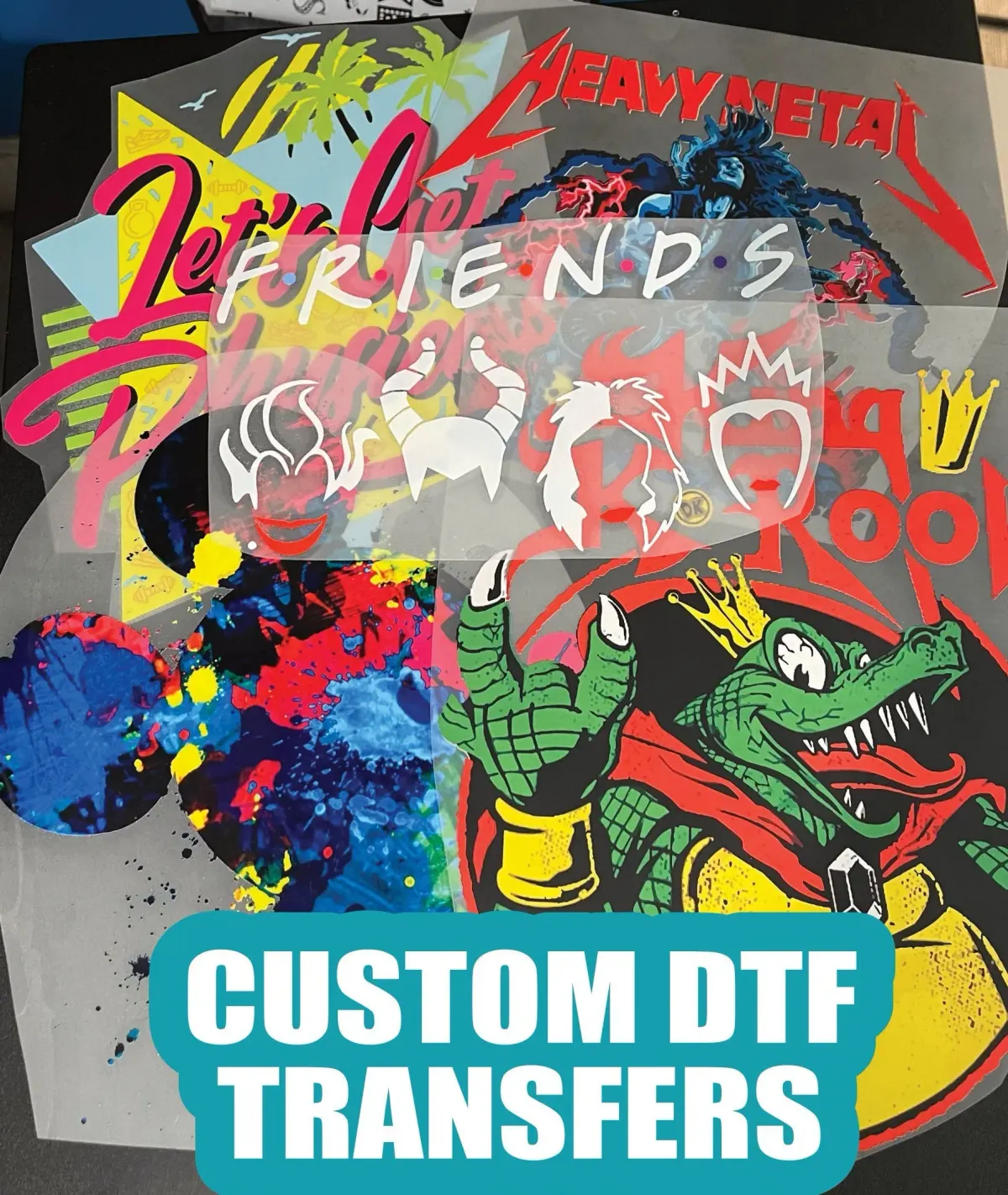
DTF Transfers, or Direct to Film Transfers, are revolutionizing the custom apparel printing industry by offering a fresh, innovative approach to designing garments. This cutting-edge DTF technology allows for the creation of eye-catching, high-quality prints that can be easily applied to a variety of fabrics, catering to the growing demand for personalized and unique fashion. Unlike traditional screen printing methods, DTF transfers provide unparalleled versatility and quicker production timelines, making them ideal for both small businesses and larger manufacturers alike. As DTF transfers continue to gain traction, they are setting a new standard for print customization, enabling brands to enhance their offerings with vibrant designs and intricate details. In this article, we will delve deeper into the numerous advantages DTF transfers bring to the world of custom clothing.
Known by various names such as Direct to Film printing and film transfer printing, DTF Transfers represent a substantial leap forward in modern printing techniques. This innovative method allows for seamless print customization on diverse materials, offering significant benefits over traditional approaches. With its ability to deliver stunning detail and vibrant colors, DTF technology is rapidly becoming the preferred choice for businesses looking to make a mark in the customized apparel market. As we explore the workings of DTF transfers, we will highlight how this progressive approach is shaping the future of printing, making it a vital resource for those invested in custom designs.
What Are DTF Transfers and How Do They Work?
DTF (Direct to Film) transfers represent a significant innovation in the world of custom apparel printing. This technique involves printing designs directly onto a specialized transfer film, which is then applied to clothing using heat and pressure. The process begins with a digital printer that utilizes unique inks designed for DTF technology. Once the design is printed, an adhesive is added to the film, allowing the vibrant inks to bond effectively to various types of fabrics, including cotton, polyester, and blends. This method stands out from others due to its ability to handle complex designs with numerous colors, making it ideal for modern apparel brands aiming for striking visuals.
The versatility of DTF transfers is one of their most appealing features. Unlike traditional screen printing methods that require extensive setup for different designs, DTF technology allows for smaller production runs and quicker turnarounds. This makes it particularly advantageous for businesses looking to produce customized items without the hefty investment often associated with bulk orders. As the demand for unique and personalized apparel continues to rise, the innovative capabilities of DTF transfers position them as a preferred choice for both established manufacturers and new entrepreneurs entering the market.
The Advantages of Using DTF Transfers
DTF transfers come with a multitude of advantages, making them highly sought-after among custom apparel printers. One of the foremost benefits is the vibrant color quality and detail that DTF printing can achieve. The use of specialized inks allows for high-resolution prints capable of capturing intricate designs and vivid colors, which is especially important in the fashion industry where aesthetics drive consumer choices. This advantage extends to the realm of personalized products, empowering businesses to create eye-catching apparel that truly represents their brand.
Moreover, DTF technology promotes cost efficiency, particularly for small businesses and startups. Traditional screen printing can incur high overhead costs for setup and supplies, making it difficult for new entrants to compete. Conversely, DTF transfers significantly reduce the costs associated with smaller runs, thereby allowing businesses of all sizes to produce high-quality prints without substantial financial barriers. This affordability, combined with the ability to quickly adapt to changing trends and consumer preferences, highlights why DTF transfers are revolutionizing the custom printing landscape.
DTF Technology Versus Traditional Printing Methods
When comparing DTF technology to traditional printing methods, several key differences emerge that underscore the advantages of DTF transfers. Traditional methods, such as screen printing, often leverage a labor-intensive process that necessitates multiple screens and setups for various designs and colors. This can lead to longer lead times, increased costs, and is less adaptable to the fast-paced fashion landscape. In contrast, DTF transfers allow for direct film printing, which facilitates quicker adaptation to design changes and faster production cycles, vital for businesses aiming to stay relevant in a competitive market.
Additionally, DTF transfers are not restricted by the same limitations faced by traditional printing methods. While screen printing can struggle with intricate details or small text, DTF technology excels in rendering complex designs flawlessly. This opens up opportunities for custom apparel companies to explore creative boundaries and cater to clients seeking unique and detailed artwork on their garments. Manufacturers can also benefit from the flexibility of DTF printing, as it works effectively on various substrates, further expanding their product offerings.
Environmentally Friendly Practices in DTF Printing
In today's environmentally conscious marketplace, companies are increasingly seeking sustainable practices to engage eco-aware consumers. DTF transfers stand out for their potential to reduce environmental impact, primarily due to the use of water-based inks. Traditional screen printing often involves solvent-based inks loaded with harmful chemicals that can affect both the environment and public health. DTF technology, on the other hand, champions the use of inks that are less harmful, contributing to a cleaner production process and allowing businesses to proudly market their ecological efforts.
This emphasis on sustainability doesn't just benefit the planet; it also appeals to a growing segment of consumers prioritizing environmentally responsible products. Brands utilizing DTF technology can enhance their market positioning by promoting their commitment to eco-friendliness. As the printing landscape evolves, companies that adopt greener practices, such as DTF transfers, will likely see a competitive edge, capitalizing on the increased consumer demand for sustainable apparel solutions.
Key Players and Innovations in the DTF Transfers Market
The DTF printing market boasts a range of key players making significant strides in technology and service offerings. Companies like Sam's DTF Transfers have established themselves as frontrunners by not only providing high-quality DTF printing services but also by innovating processes that enhance the customer experience. Such players understand the nuances of the custom apparel market and are adept at meeting the demands of diverse clientele, from fast fashion brands to bespoke artisan designers.
Innovation is at the heart of the DTF transfer industry, with ongoing advancements that promise to refine the printing process. Manufacturers are continually developing new inks and equipment that enhance print quality and reduce costs. Investing in the latest technology not only fosters competition but also drives overall growth within the industry. As more brands adopt DTF technology, we anticipate a significant transformation that elevates customization capabilities across the board, facilitating unique design offerings that cater to the individual preferences of consumers.
The Future of DTF Transfers in Custom Printing
Looking ahead, the DTF transfer method is set to play a pivotal role in shaping the future of custom printing. As demand for personalized products continues to rise, businesses that harness DTF technology will be better positioned to meet consumer preferences for individualization. This method's quick turnaround times, incredible detail, and versatility will enable brands to respond effectively to market trends, ensuring they remain competitive in a rapidly changing landscape.
Furthermore, the growth of e-commerce and online shopping means that brands must leverage cutting-edge printing techniques, like DTF transfers, to attract customers searching for distinctive and high-quality custom apparel. The potential for increased collaboration between technology providers and apparel manufacturers suggests a future filled with exciting opportunities for innovation, creating a vibrant ecosystem for DTF transfers to flourish as a leading method in the custom printing industry.
Frequently Asked Questions
What are DTF Transfers and how do they work?
DTF Transfers, or Direct to Film transfers, involve printing designs onto special films using a digital printer. These films are then heat-pressed onto various fabrics, resulting in vibrant, high-quality prints. This method stands out for its versatility, allowing it to be used on materials such as cotton and polyester.
What are the advantages of using DTF technology for custom apparel printing?
DTF technology offers several advantages for custom apparel printing, including vibrant color reproduction, the ability to work with multiple fabric types, cost-effectiveness for small batch orders, and quick turnaround times. Plus, it often uses environmentally friendly inks, making it a sustainable choice.
How do DTF transfers compare to traditional screen printing?
Unlike traditional screen printing, DTF transfers provide high-resolution prints with intricate details at lower costs, especially for small runs. This method minimizes setup time and production costs, while also allowing for a wider variety of complex designs and color gradients.
Can DTF transfers be used on any type of fabric?
Yes, one of the key benefits of DTF transfers is their versatility. They can be applied to various fabric types, including cotton, polyester, and blends, making them ideal for custom apparel printing across different materials.
Are DTF transfers environmentally friendly?
Yes, many DTF inks are water-based, reducing the reliance on harmful chemicals associated with traditional printing methods. This makes DTF transfers a more sustainable option for print customization, appealing to eco-conscious consumers.
What is the future of DTF technology in the printing industry?
The future of DTF technology is promising, with growing consumer demand for personalized products. As innovation continues to enhance the DTF printing process, businesses are likely to adopt this method for its quality and efficiency, ensuring a competitive edge in the custom apparel market.
| Key Point | Details |
|---|---|
| What are DTF Transfers? | DTF (Direct to Film) transfers print designs on a special film and heat-press them onto fabric. This method is efficient for small batch printing. |
| Advantages of DTF Transfers | 1. Vibrant Colors and Detail - High-resolution prints for intricate designs. 2. Versatility - Compatible with various materials like cotton and polyester. 3. Cost Effectiveness - Lower costs for small print runs. 4. Environmentally Friendly Options - Many inks are water-based. 5. Quick Turnaround Times - Speeds up the production process. |
| Key Players in the Industry | Sam's DTF Transfers is a leading figure offering premium DTF services to diverse clients, enhancing custom capabilities. |
| Future of DTF Transfers | The demand for personalized products is expected to grow, with technological advancements improving quality and reducing costs for DTF printing. |
Summary
DTF transfers represent a significant advancement in the world of printing and customization. This innovative technique not only produces high-quality and vibrant designs but also meets the growing consumer demands for personalized products. As demonstrated by leaders in the field like Sam's DTF Transfers, businesses leveraging DTF technology can achieve remarkable cost-effectiveness and versatility. The bright future of DTF transfers is evident as more manufacturers and retailers recognize their potential to stand out in an increasingly competitive market, promising an exciting evolution in the custom apparel landscape.