
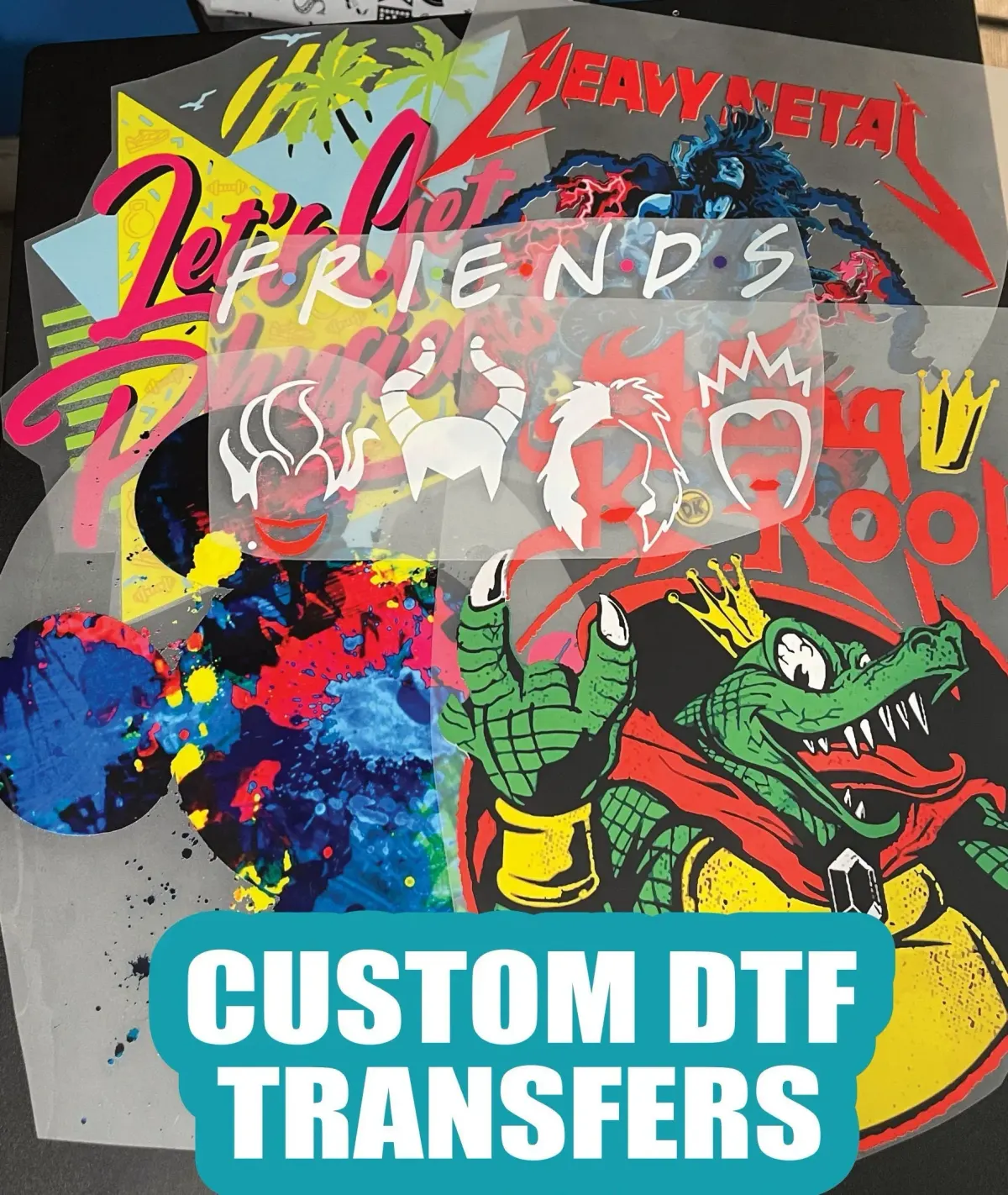
DTF transfers, or Direct-to-Film transfers, are swiftly redefining the landscape of garment decoration, providing a new level of flexibility and creativity for custom apparel printing. This cutting-edge technology enables vibrant and intricate designs to be applied effortlessly to various fabric types, significantly enhancing the overall aesthetics and customization options for fashion brands. With their growing popularity, DTF transfers not only simplify the production process but also promote sustainable printing practices by minimizing waste and resource consumption. In this blog post, we'll explore the dynamic world of DTF printing, uncovering its advantages, market trends, and the innovative advancements shaping this exciting sector. Join us as we delve into how DTF transfers are setting a remarkable standard in the garment decoration industry.
Direct-to-Film transfers, often referred to as DTF printing, represent a groundbreaking advancement in the realm of apparel decoration and custom design. This modern technique merges efficiency with creativity, allowing for the application of detailed prints on a wide range of fabrics. Additionally, the terms 'garment decoration' and 'direct-to-film printing' are frequently associated with this innovative approach, highlighting its suitability for small-batch production and personalization. As the demand for custom apparel continues to rise, the benefits of DTF technology, such as faster turnaround times and reduced material waste, become increasingly pertinent. In this context, DTF printing stands out as a sustainable choice, aligning seamlessly with the growing emphasis on eco-friendly practices within the fashion industry.
Understanding DTF Transfers: A Game-Changer in Custom Apparel Printing
DTF transfers are a breakthrough in the world of custom apparel printing, enabling designers to achieve brilliant and detailed graphics on a variety of fabrics. As a printing technique, it allows for the transfer of intricate designs from a special film onto textiles, using heat and pressure to create durable and vibrant prints. This method not only streamlines the printing process but also opens the door to unlimited creative possibilities, making it a favorite among designers looking for unique garment decoration solutions.
What sets DTF transfers apart from other printing techniques is their versatility. Whether it’s cotton, polyester, or blends, DTF can be applied to a wide range of materials, allowing for intricate designs on dark or light fabrics. This flexibility is particularly beneficial for brands looking to customize products for niche markets or specific customer requests without worrying about fabric limitations.
The Benefits of DTF Printing for Increasing Productivity
In today’s fast-paced fashion industry, speed and efficiency are crucial. DTF printing offers a competitive advantage as it significantly reduces turnaround times compared to traditional methods like screen printing. Businesses can produce high-quality designs quickly, enabling them to capitalize on trends or rush orders with minimal delays. This agility not only enhances customer satisfaction but also supports brands in managing seasonal demands effectively.
Moreover, the cost-effectiveness of DTF printing cannot be overstated. For smaller businesses or those with low-volume orders, the lack of upfront setup costs associated with traditional printing methods makes DTF an attractive option. Brands can offer customized apparel with lower financial risk, experimenting with various designs to gauge consumer interest before committing to larger production runs.
The Role of Technology in Advancing DTF Transfers
Technological advancements have significantly enhanced the quality and scope of DTF transfers. Innovations in printing machinery have led to the development of high-precision printers that deliver superior color vibrancy and detail. Additionally, improvements in ink formulations have greatly impacted adhesion quality, ensuring that prints withstand multiple washes while retaining their original appearance.
These technological improvements mean that manufacturers can now produce DTF transfers that meet the high standards synonymous with modern consumer expectations. As manufacturers invest in research and development, the bar continues to rise, enabling them to offer exceptional products that are on par with, or even exceed, traditional printing methods.
Exploring Market Trends Influencing DTF Transfers
As fashion trends shift towards personalization and on-demand production, DTF transfers are perfectly positioned to meet these changing demands. Consumers increasingly lean towards personalized and unique items, prompting retailers to adopt DTF printing as part of their service offering. This trend toward individualized apparel not only satisfies consumer preferences but also aligns with the sustainability movement, as DTF can be more resource-efficient than traditional printing methods.
The rising consumer consciousness surrounding eco-friendly practices has added another layer to the appeal of DTF transfers. As brands look to reduce their environmental impact, DTF’s lower energy consumption and waste generation present a compelling case for adoption. Companies are discovering that marketing their offerings as both high-quality and sustainable can significantly enhance their appeal in competitive markets.
DTF Transfers: Bridging the Gap Between Quality and Affordability
The landscape of garment decoration has evolved, and DTF transfers play a crucial role in bridging the gap between quality and affordability. Unlike traditional screen printing that may require large volume orders to be cost-effective, DTF allows for economical small runs without compromising on the quality of the prints. This adaptability makes it an appealing choice for various businesses, from small startups to established brands.
By utilizing DTF printing, companies can cater to diverse customer needs while maintaining high standards of quality. Whether producing promotional merchandise or personalized gifts, DTF enables brands to meet customer expectations effectively without incurring heavy costs, promoting an inclusive market where unique designs can flourish.
The Future of DTF Transfers in Garment Decoration
Looking ahead, DTF transfers are undoubtedly poised to define the future of garment decoration. As the demand for colorful, customized apparel continues to grow, the versatility and efficiency of DTF printing present a promising avenue for future innovations. Manufacturers are likely to expand their capabilities and enhance their offerings, ensuring that they remain relevant in a rapidly evolving industry.
Moreover, as sustainability becomes an increasingly critical factor in production decisions, DTF printing's environmentally considerate approach aligns perfectly with global trends toward responsible manufacturing. The continued emphasis on eco-friendly practices will solidify DTF’s position as a frontrunner in garment decoration, attracting more brands to leverage this innovative printing technique in their operations.
Frequently Asked Questions
What are DTF transfers and how do they work in garment decoration?
DTF transfers, or direct-to-film transfers, are a modern printing technique that involves printing designs on a special film that is then transferred to garments using heat and pressure. This process allows for vibrant colors and high-quality prints on a variety of fabric types, making DTF a versatile choice for custom apparel printing.
Why are DTF transfers becoming popular in custom apparel printing?
DTF transfers are gaining popularity in custom apparel printing due to their versatility across different fabric types, cost-effectiveness for small runs, and quick production times. This makes them ideal for businesses looking to offer unique and personalized designs efficiently.
How do DTF transfers compare to traditional printing methods like screen printing?
Compared to traditional screen printing, DTF transfers require no screens and have lower setup costs, making them more economical for smaller batches. Additionally, DTF transfers produce high-quality prints on various fabrics, while traditional methods can struggle with dark or mixed materials.
What are some current market trends related to DTF transfers in the garment decoration industry?
Current trends in the garment decoration industry indicate a growing demand for on-demand and personalized products. DTF transfers are becoming a favored choice among retailers due to their efficiency, customization capabilities, and alignment with consumer preferences for sustainable printing solutions.
Are DTF transfers a more sustainable option compared to other printing techniques?
Yes, DTF transfers are considered a more sustainable option in the printing industry as they typically use less energy and fewer resources compared to conventional printing methods. This environmental benefit appeals to brands and consumers seeking eco-friendly garment decoration solutions.
What technological advancements are enhancing the quality of DTF transfers?
Recent advancements in printing machinery and ink formulations have greatly improved the quality and durability of DTF transfers. New equipment delivers precise prints with vibrant colors while enhancing adhesion for better performance in washes, making DTF printing a standout choice for garment decoration.
| Key Point | Details |
|---|---|
| What are DTF Transfers? | DTF refers to a printing technique where vibrant designs are printed on a film and heat-transferred onto fabrics, suitable for various materials and colors. |
| Versatility Across Fabrics | DTF transfers can print on cotton, polyester, and blends, producing quality results on any fabric color. |
| Cost-Effective for Small Runs | Lower setup costs and reduced labor make DTF a more economical choice for small batch printing compared to traditional methods. |
| Speed of Production | DTF transfers can be produced quickly, minimizing turnaround times for urgent fashion needs and trending designs. |
| Advancements in Technology | Improvements in printing machinery and ink quality enhance the vibrancy and durability of DTF prints. |
| Current Trends and Market Adoption | Increasing demand for on-demand and personalized products, along with sustainability consciousness, drives DTF adoption. |
Summary
DTF transfers are transforming the garment decoration industry by offering a modern solution that meets the diverse needs of today's marketplace. This innovative method not only excels in versatility, allowing for high-quality printing on various fabric types, but it also proves to be financially viable, especially for smaller production runs. As businesses face the challenge of rapid fashion trends and increasing consumer demands for customization, DTF transfers provide a quick and effective means of creating unique apparel. Moreover, the ongoing technological advancements in this field are enhancing print durability and efficiency, ensuring that DTF continues to be a relevant choice for brands focusing on sustainability and eco-conscious practices. As we look ahead, the potential of DTF transfers in reshaping garment decoration remains significant, offering opportunities for businesses to thrive in an evolving market.