
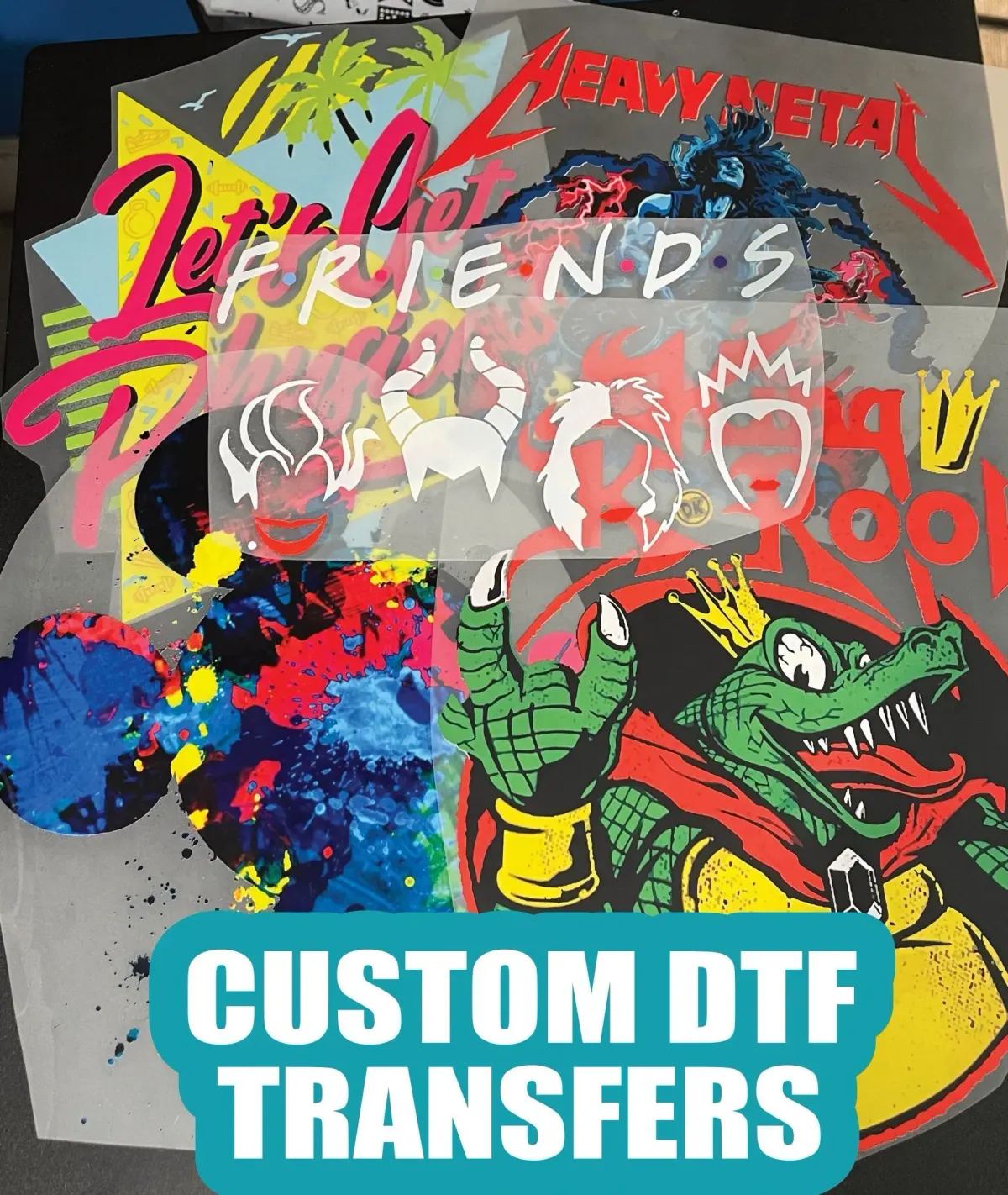
DTF transfers, short for Direct to Film transfers, are revolutionizing the custom printing arena by offering an innovative approach to design application. This cutting-edge printing technology uses advanced methods to create vibrant transfers that adhere seamlessly to various surfaces, shaking up the traditional printing landscape. Not only do DTF transfers allow creators to produce high-quality prints on demand, but they also enhance the versatility of materials used in custom printing today. Businesses and individual designers alike are drawn to this method for its speed, efficiency, and the ability to achieve striking results without significant setup time. As we explore the science behind DTF technology, it becomes clear that vibrant transfers are paving the way for a future where creativity knows no bounds.
Also known as Direct to Film printing, DTF technology represents a significant leap forward in the custom printing industry. This innovative method combines heat transfer with digital printing, allowing users to achieve captivating and durable designs on a variety of substrates. The convenience of print-on-demand capabilities ensures that artists and businesses can meet customer needs rapidly while maintaining exceptional quality. Furthermore, the course of development in this area indicates a growing accessibility for all creators, empowering them to produce eye-catching designs without the traditional challenges associated with other methods. With an emphasis on versatility and ease of use, DTF transfers are transforming how we think about customization in textiles and beyond.
The Advantages of Direct to Film (DTF) Transfers
DTF transfers bring a multitude of advantages to the custom printing landscape. One of the most significant benefits is their versatility; they can be printed on a wide array of fabric types which include cotton, polyester, and blends. This adaptability makes DTF transfers ideal for various applications, from custom t-shirts to intricate accessory designs. Moreover, the vibrant color quality produced by DTF technology ensures that designs are eye-catching and durable, able to withstand multiple washes without fading. This level of quality appeals to businesses striving for customer satisfaction and creators looking for reliability in their crafts.
Another key advantage of DTF transfers is their cost-effectiveness, especially for those engaged in print-on-demand operations. Unlike traditional screen printing methods, which often require large run minimums, DTF technology allows for small batches and even one-off custom prints without incurring excessive costs. This economic viability is crucial for small businesses and individual crafters who may not have the capacity for large inventory investments. As a result, the adoption of DTF transfers continues to grow among those seeking a sustainable and efficient solution for custom printing.
The Role of Innovative Companies in DTF Printing
Innovative companies are playing a critical role in advancing DTF technology and making it more accessible to creators and businesses worldwide. For instance, brands like Eazydtf are continually enhancing their capabilities by adopting large-format DTF printers, which streamline operations and improve efficiency. Such advancements allow for faster production times, ensuring that businesses can meet customer demands while maintaining quality. This proactive approach solidifies DTF printing as a formidable player in the custom printing industry, offering solutions that were previously unattainable under traditional methods.
Additionally, companies like AM.CO.ZA are democratizing the DTF printing process by introducing compact printers specifically designed for small businesses. This move lowers the barriers of entry for aspiring entrepreneurs, allowing them to partake in the growing print-on-demand market without prohibitive costs. By providing accessible tools and resources, these companies empower local creatives, fostering a culture of innovation and entrepreneurship that benefits the entire industry.
Furthermore, platforms like DesignBundles.net are addressing common challenges faced by creators in the digital printing arena. Their user-centered approach simplifies the customization process, ensuring that creators can find reliable services tailored to their needs. Innovations such as these are crucial for enhancing the overall experience of using DTF technology, positioning these companies as essential partners in helping creators realize their artistic visions.
Exploring DTF Technology and Its Applications
DTF technology stands out in the custom printing arena for its ability to deliver vibrant and intricate designs. Utilizing a combination of digital printing and heat transfer techniques, DTF transfers allow for high-quality prints with remarkable detail. This capability is particularly beneficial for creators who wish to showcase their designs on apparel and accessories, as it enables them to achieve professional-grade results without the complexities tied to traditional methods.
Applications of DTF technology extend far beyond clothing. The versatility of DTF transfers includes home décor items, tote bags, and personalized gifts, making it a favored option among print-on-demand businesses. Each printed design boasts longevity and resistance to wear, making it suitable for everyday use by consumers. As DTF technology continues to evolve, the variety of applications and potential use cases expands, providing endless opportunities for creative expression.
The Future of Custom Printing with DTF
The future of custom printing looks promising with the continued evolution of DTF technology. As more businesses recognize the benefits—and as further advancements are made in the underlying technology—DTF transfers are likely to become even more dominant. Enhanced features, such as eco-friendly inks and automated production lines, are being integrated into the DTF process, further improving efficiency and sustainability. This technological evolution not only appeals to environmentally conscious consumers but also positions DTF as a responsible choice in the printing industry.
Moreover, the increasing collaboration between tech engineers and marketers is driving innovative solutions tailored for the evolving needs of small businesses and crafters. This synergy promotes the development of user-friendly platforms and services designed to ease the process of digital printing. With these advancements, the custom printing landscape is set for a significant transformation, making DTF transfers an essential component in nurturing creativity and fostering entrepreneurial success in the future.
Maximizing Creativity with DTF Transfers
DTF transfers have revolutionized the creative process for many artists and designers by providing a seamless way to bring their ideas to life. By utilizing this technology, creators can experiment with various designs, colors, and materials without the limitations imposed by traditional printing methods. The accessibility of DTF technology encourages more artists to explore their craft and discover new potential in their creations, ultimately driving innovation in the custom printing market.
Furthermore, DTF transfers serve as an excellent medium for personalized products. The ease of use in the print-on-demand model allows creators to produce unique, customized items based on individual preferences, enhancing customer engagement and satisfaction. This ability to tailor products according to specific tastes contributes to the growing popularity of DTF printing, as consumers seek distinct and memorable purchases that highlight their individuality.
Addressing Challenges in DTF Printing
Despite its many benefits, DTF printing is not without its challenges. One of the most pressing issues faced by businesses is ensuring color accuracy and consistency across different printing runs. As printers and films vary in quality, achieving the desired outcome can sometimes require extensive testing and adjustment. This need for precision can be daunting for new users unfamiliar with the technology. However, as more resources become available, including guides and tutorials, users are better equipped to navigate these challenges.
Another challenge is the potential learning curve associated with transitioning from traditional printing methods to DTF technology. For individuals and businesses accustomed to screen printing or vinyl methods, adapting to the DTF process may involve a shift in techniques and understanding. However, numerous training programs and community resources are beginning to emerge, providing invaluable support to help users adapt more quickly and effectively. Overcoming these challenges is essential for maximizing the benefits that DTF transfers offer in the custom printing industry.
Frequently Asked Questions
What are DTF transfers and how do they work in custom printing?
DTF transfers, or Direct to Film transfers, are a revolutionary method in custom printing where designs are printed onto a special film. This film is then heat-transferred onto various substrates, such as fabrics. This technology allows for vibrant colors and intricate designs, making it a preferred choice for creators and businesses in the custom printing industry.
What are the advantages of using DTF technology for print-on-demand services?
DTF technology offers several advantages for print-on-demand services, including versatility in applying designs to multiple fabric types, cost-effectiveness for small orders, and producing high-quality vibrant transfers that remain durable after multiple washes. Its ease of use makes it an ideal option for both small businesses and individual crafters.
How does DTF printing compare to traditional methods like screen printing?
Unlike screen printing, DTF printing utilizes a film transfer process that allows for brighter colors and more detailed designs. DTF transfers are also more adaptable, enabling printing on various materials without the need for extensive setups, thus streamlining the custom printing process compared to traditional methods.
Can DTF transfers be used for both small and large printing orders?
Yes, DTF transfers are highly versatile and can accommodate both small and large printing orders. This flexibility makes them ideal for print-on-demand businesses, as well as large-scale projects, ensuring quality and efficiency regardless of order size.
What materials can DTF transfers be applied to?
DTF transfers can be applied to a wide variety of materials, including cotton, polyester, and blended fabrics. This versatility enhances the applications for custom printing, allowing users to create designs on t-shirts, bags, and other fabric items.
How do I get started with DTF printing for my custom designs?
To get started with DTF printing, you can invest in a DTF printer or partner with a service provider that specializes in DTF transfers. Look for platforms that offer user-friendly tools and resources to simplify the process, especially if you are new to custom printing.
| Key Point | Details |
|---|---|
| Understanding DTF Transfers | DTF printing combines heat transfer and digital printing for vibrant, durable designs. |
| Recent Developments | Major companies are expanding capabilities and accessibility, enhancing user experiences. |
| Advantages of DTF Transfers | Versatile, cost-effective, high-quality, and easy to use for various applications. |
Summary
DTF transfers are revolutionizing the custom printing industry by offering versatility, cost-effectiveness, and high-quality output for various fabrics. This innovative printing method, which incorporates both heat transfer and digital printing technology, allows for vibrant designs that last through multiple washes. Company advancements, such as the expansion of DTF printers by Eazydtf and accessibility initiatives by AM.CO.ZA, have further democratized this technology. These developments create opportunities for small businesses and individual creators while enhancing the overall user experience in the printing market. As DTF transfers continue to gain popularity, they pave the way for a dynamic future in custom apparel production.