
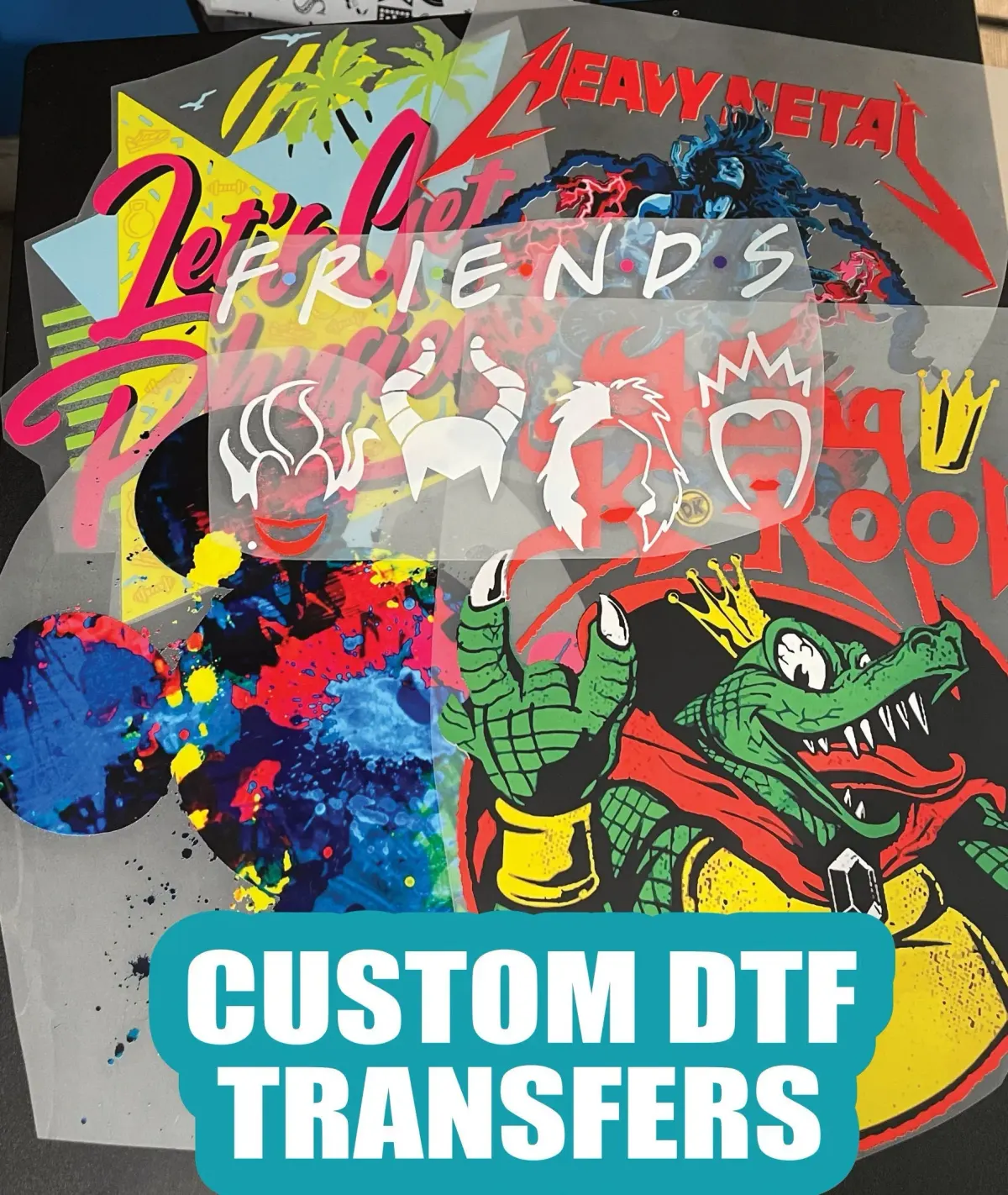
DTF transfers, or Direct-to-Film printing, have transformed the way custom apparel is designed and produced, making it easier than ever for creators to manifest their visions onto fabric. This innovative heat transfer process allows users to print intricate graphics onto a special film, which is then transferred onto garments for vibrant, durable results. Whether you're an entrepreneur looking to launch a t-shirt business or a DIY enthusiast wanting to personalize your wardrobe, understanding DTF transfers is essential. As you embark on this creative journey, you will discover the versatility and quality that DTF printing offers compared to other methods like screen printing. Dive into this ultimate DTF printing guide, and unleash your potential in the world of custom apparel design.
Known as Direct-to-Film printing, DTF transfers offer a forward-thinking approach to creating custom designs on fabric. This method employs a unique technique that involves printing onto a specialized film with the capability to produce high-resolution designs, making it an appealing choice for many artists and business owners. By utilizing the heat transfer process, users can achieve remarkable color vibrancy and longevity in their prints, leading to high-quality custom apparel. In addition to DTF transfers, similar terms like film-based printing and heat-applied graphics might also come up in conversation, highlighting various facets of this innovative printing technology. As you explore the art of DIY DTF transfers, preparing ahead with the right tools and knowledge will empower you to bring your creative ideas to life.
The Advantages of Using DTF Transfers for Custom Apparel
DTF transfers have gained popularity for their numerous advantages, especially for custom apparel makers. One of the standout benefits is color vibrancy. The DTF printing method produces eye-catching designs that can capture the most intricate details—something that is crucial when creating personalized garments. This is largely due to the combination of high-quality inks and the unique film technology that allows for deep, rich colors that remain intact even after multiple washes.
Additionally, the versatility of DTF transfers cannot be overlooked. They can be applied to a wide range of fabrics, including cotton, polyester, and blends, which makes them an ideal choice for various projects. Whether you’re looking to create t-shirts, hoodies, or bags, DTF transfers can accommodate different fabric types without compromising the quality of the print.
Understanding the DTF Printing Process
The DTF printing process is an innovative technique that revolutionizes the way designs are applied to textiles. It begins with printing your desired design onto a specialized film. This film acts as the medium that carries the design until it is transferred onto the fabric. The unique aspect of DTF printing lies in the powdered adhesive that is then sprinkled onto the wet ink, which is activated by heat during the transfer process.
Once the design is printed, the adhesive powder is crucial. It not only ensures that the ink adheres to the fabric but also enhances the durability of the design. Curing the transfer at the right temperature is vital, as it guarantees that the adhesive bonds well with the fabric, making the design long-lasting and resistant to fading. Understanding this process can significantly impact the quality of your custom apparel projects.
Essential Equipment for Successful DTF Transfers
To successfully execute DTF transfers at home, having the right equipment is essential. The heart of any DTF setup is a specially modified DTF printer, which is optimized for this specific printing method. Alongside the printer, a quality heat press is crucial to ensure that your designs are applied correctly. Look for a heat press that allows for precise temperature and pressure adjustments, enabling you to achieve the best results.
In addition to a printer and heat press, high-quality DTF film is vital. The film needs to be compatible with your printer and capable of withstanding the heat transfer process without degrading. Also, ensure you have supplies of the right adhesive powder. Together, these tools form the backbone of your DTF printing endeavors, directly influencing the quality and longevity of your custom apparel.
Step-by-Step Guide to Creating DTF Transfers at Home
Creating DTF transfers at home may seem daunting, but by following a step-by-step guide, you can simplify the process. Start by preparing your design in graphic design software, ensuring that the resolution is set to high quality. Once your design is ready, load the DTF film into your printer and print using the manufacturer’s recommended settings. This approach ensures that your prints are vibrant and of the highest quality.
After printing, immediately apply adhesive powder to the wet ink. This ensures that the powder bonds well with the design. Following this, curing the transfer at the appropriate temperature is critical. Make use of a conveyor oven or heat press as per the instructions provided. The final steps involve carefully aligning your transfer on the fabric and applying heat to secure it appropriately. Following this guide will help you create stunning results consistently.
Tips for Achieving Perfect DTF Transfer Results
To achieve optimal results with your DTF transfers, implementing some best practices can make a significant difference. First, always run tests on a variety of fabrics before starting your actual project. This not only helps in understanding how different materials react to the DTF process but also allows you to fine-tune your settings for the best results.
Additionally, maintaining your DTF printer is essential for consistent performance. Regularly clean the print heads and perform routine checks to prevent issues such as ink clogs, which could ruin your designs. Lastly, engage with online communities dedicated to DTF transfers. These networks can provide invaluable tips, sharing trends and troubleshooting advice that can enhance your printing experience.
The Future of DTF Printing: Trends and Innovations
As DTF printing technology continues to evolve, several trends are shaping the future of this printing method. One significant trend is the increase in online tutorials and resources, allowing more individuals to explore the possibilities of DTF transfers. Brands and suppliers frequently host workshops or webinars that focus on expanding knowledge and improving techniques for amateur and professional printers alike.
Another trend is the sense of community that has developed around DTF printing. Online forums and social media groups have become essential resources, where users share insights, troubleshooting tips, and creative ideas. This collaborative spirit not only enhances individual skills but also promotes innovation and experimentation within the DIY DTF transfer community.
Frequently Asked Questions
What are DTF transfers and how do they work?
DTF transfers, short for Direct-To-Film transfers, involve printing designs onto a special film which is then coated with a powdered adhesive. This adhesive bonds the ink to fabric when heat pressed, making DTF printing a popular choice for creating custom apparel with vibrant colors and durable results.
What equipment do I need for DIY DTF transfers?
To successfully execute DIY DTF transfers, you need a DTF printer compatible with your design software, a heat press for applying the transfer, high-quality DTF film, adhesive powder, and graphic design software like Adobe Illustrator to prepare your artwork.
What advantages do DTF transfers offer over traditional printing methods?
DTF transfers provide several advantages, including greater versatility to print on various fabrics, superior color vibrancy, and durability that allows designs to withstand numerous washes, making them more effective than traditional screen printing or direct-to-garment methods.
How can I improve the quality of my DTF printing results?
Improving the quality of your DTF printing involves using high-quality materials, ensuring your printer settings are optimized for quality results, and performing regular maintenance on your equipment to avoid ink clogs, which can affect transfer quality.
What is the typical curing process for DTF transfers?
The typical curing process for DTF transfers requires heat activation of the adhesive powder. This is generally done using a conveyor oven or a heat press at a temperature of around 160°C (320°F) for 3-5 minutes, ensuring the powder melts to secure the ink to the fabric.
Are there any recent advancements in DTF printing I should know about?
Yes, recent advancements in DTF printing include the availability of numerous online tutorials and community resources for newcomers. These platforms provide valuable insights, troubleshooting tips, and techniques shared by experienced users that can help enhance your DTF transfer projects.
| Key Point | Details |
|---|---|
| Introduction to DTF Transfers | DTF transfers allow for vibrant designs on apparel, catering to hobbyists and entrepreneurs. |
| Advantages of DTF Transfers | 1. Versatile on different fabrics. 2. High-resolution designs. 3. Durable and fade-resistant. |
| Essential Equipment | 1. DTF Printer 2. Heat Press 3. DTF Film 4. Adhesive Powder 5. Graphic Software. |
| Step-by-Step Guide | 1. Print the design 2. Apply adhesive powder 3. Cure the transfer 4. Transfer to fabric 5. Finishing touches. |
| Additional Tips | Test processes, maintain your printer, join online communities for support. |
| Recent Developments | Emergence of online tutorials and community resources for shared insights. |
Summary
DTF transfers have emerged as a transformative technique in custom apparel creation, making it easier for anyone to craft high-quality garments at home. The process begins with understanding the essential equipment and advantageous features that DTF offers, such as versatility, vibrant color reproduction, and durability. This comprehensive guide outlines each step, from preparing designs to the actual transfer process, ensuring that you are well-equipped to achieve professional results. As you advance your skills, leveraging community resources and staying updated with trends will enhance your DTF printing endeavors and inspire further creative exploration.