
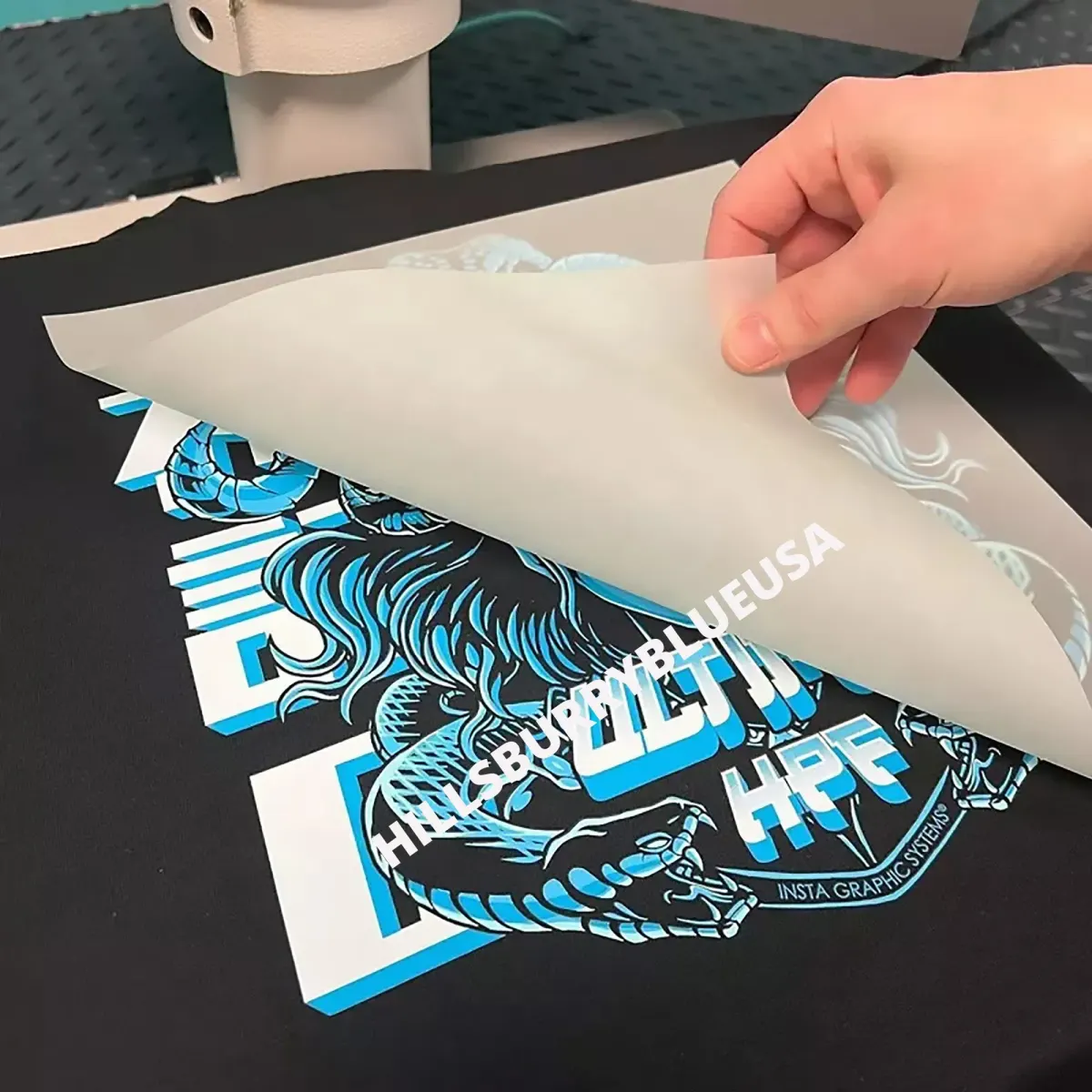
DTF transfers, or Direct-to-Film transfers, are revolutionizing the custom apparel industry by enabling creators and businesses to produce stunning, high-quality designs with remarkable ease and efficiency. This innovative printing technique offers a plethora of advantages, which include vibrant fabric printing and the ability to work with a wide variety of materials, ensuring that every design shines. As more designers and brands embrace DTF printing advantages, the landscape of graphic apparel is being transformed, making personalized fashion more accessible than ever. By utilizing advanced DTF transfer techniques, anyone from small business owners to experienced professionals can unlock their creative potential without the constraints of traditional printing methods. In this article, we will explore the exciting world of DTF transfers and the impact they are having on custom design and production.
In the realm of fabric customization, Direct-to-Film (DTF) solutions have emerged as a groundbreaking method for achieving stunning graphics and imagery on garments. Known for their versatility and ease of use, these fabric transfer systems utilize advanced printing techniques to deliver detailed and colorful results that resonate with both designers and consumers alike. With DTF methods, businesses can quickly adapt to the ever-evolving demands of the apparel market, making it easier to push creative boundaries in stylish and effective ways. This shift towards DTF approaches signifies a broader trend in custom design, where traditional constraints are set aside in favor of fresh, innovative practices that cater to individual tastes and preferences.
Understanding DTF Transfers and Their Benefits
Direct-to-Film (DTF) transfers are revolutionizing the custom apparel landscape with their unique printing process. Unlike traditional methods, DTF printing starts by transferring designs onto a specialized film, which is then coated with adhesive. When applied through heat pressing, this innovative technique results in high-resolution and vibrant fabric prints that stand out. One of the most enticing benefits of DTF transfers is their versatility—these prints can successfully adhere to a variety of fabrics, from cotton to polyester blends, making them ideal for diverse custom apparel applications.
Beyond their practical application, DTF transfers offer numerous advantages for businesses and designers alike. The simplicity of the DTF printing process allows for significant reductions in production time and costs, which is particularly beneficial for small to medium-sized print operations. Additionally, the technology’s ability to produce intricate, multi-colored designs enables creators to push their artistic boundaries without fear of excessive setup times or costs associated with other printing techniques. Thus, understanding DTF transfers is essential for anyone involved in the design and apparel industry as it embodies a cutting-edge approach to fabric printing.
Exploring DTF Printing Advantages
DTF printing presents various advantages that set it apart from traditional methods like screen printing or vinyl. One of the most notable features is the ability to achieve vibrant prints with remarkable detail and depth of color. This is largely due to the advanced ink formulations used in DTF technology, which enhance color vibrancy and durability, thereby producing eye-catching designs suitable for any custom apparel requirement. Additionally, because the DTF process requires less setup time, businesses can efficiently manage smaller print runs, balancing the demand for customization with workflow efficiency.
Moreover, the wealth of customization options available with DTF printing appeals to a wide array of customers, from fashion designers to businesses seeking promotional products. Whether creating unique limited-edition collections or everyday wear, DTF transfers allow for endless creative possibilities. The capability to print complex designs with rich colors gives brands a competitive edge in a saturated market, ensuring they can cater to niche audiences while expanding their reach.
Recent Innovations in DTF Transfer Technology
The DTF transfer technology has undergone significant improvements in recent years, particularly in terms of ink formulation and printing techniques. In 2023, several companies introduced eco-friendly ink solutions that amplify not only color vibrancy but also the durability of prints against routine wash cycles. These innovations provide designers and businesses with a reliable printing method that meets rising consumer demands for sustainable practices without sacrificing quality. Such advancements are crucial for businesses seeking to appeal to environmentally conscious consumers who value sustainability in product choices.
In addition to improved ink formulations, recent developments in DTF machinery and techniques have made it easier for smaller print shops to adopt this technology without massive investment. The affordability of new printing systems has prompted an increase in the adoption of DTF among small to medium enterprises looking to diversify their printing services. Consequently, this shift indicates a broader trend towards more adaptable, custom printing options that meet the needs of a rapidly changing market, positioning DTF printing as a central method of production in the coming years.
The Growing Market for DTF Transfers
The market for DTF transfers is anticipated to grow significantly, projecting a compound annual growth rate (CAGR) exceeding 20% in the upcoming years. This growth is driven primarily by the increasing popularity of custom apparel within various sectors, including fashion, promotional products, and merchandise. As businesses recognize the advantages of DTF printing—such as reduced overhead costs, faster production times, and the capability for intricate designs—they are more inclined to invest in this technology. The competitive landscape signifies that those who integrate DTF into their offerings can gain market advantages.
As the demand for custom designs continues to rise, businesses utilizing DTF technologies are likely to become pivotal players in the fabric printing industry. The ability to combine high-quality printing with eco-friendly practices allows brands to differentiate themselves in a market eager for innovation and responsible production. As a result, companies embracing DTF printing can expect enhanced brand loyalty and more robust customer engagement due to their alignment with current market trends.
Case Studies: Successful Implementations of DTF Transfers
Several companies are pioneering the adoption of DTF transfers to create distinctive and impactful products. For instance, fashion brands are employing DTF printing techniques to produce limited-edition collections that require rapid turnaround times while maintaining high-quality design aesthetics. These case studies demonstrate not just the versatility of DTF technology but also its ability to meet fast-paced market demands without compromising on quality or detail.
Additionally, business collaborations exploring DTF printing have led to innovative promotional merchandise that stands out due to its vibrant fabric prints and customization options. The results have been overwhelmingly positive, as companies deliver products that resonate with their target audience. Furthermore, these case studies serve as educational resources for other businesses considering DTF printing, highlighting best practices and the potential of the technology to transform apparel production.
Educational Resources for DTF Transfers
With DTF transfers gaining traction, a wealth of educational resources has emerged to support both newcomers and experienced practitioners. Online platforms, workshops, and tutorials provide essential training on DTF printing techniques, offering insights into effectively maximizing the benefits of the technology. These resources are crucial for individuals and businesses looking to stay competitive, ensuring they are well-equipped to utilize DTF transfers in their creative projects.
Furthermore, as more educational initiatives arise, they not only help bridge the knowledge gap for inexperienced users but also foster community collaboration among seasoned designers. Accessibility to practical DTF training contributes to elevating industry standards and encouraging the sharing of best practices. By leveraging these resources, businesses can tap into the full potential of DTF transfers, ultimately enhancing their product offerings and design capabilities.
Frequently Asked Questions
What is DTF printing and how does it work?
Direct-to-Film (DTF) printing is a process that involves printing designs onto a special film, which is then coated with adhesive powder. By using heat, the printed film is transferred onto various fabrics, resulting in vibrant and durable designs perfect for custom apparel.
What are the advantages of using DTF transfers for custom apparel?
DTF transfers offer several advantages for custom apparel, including high color vibrancy, versatility across different fabric types, and the ability to produce complex designs with ease. This makes DTF printing a sought-after option for businesses looking to create eye-catching garments.
Can DTF transfers be used on any type of fabric?
Yes, DTF transfers are versatile and can be applied to a variety of fabric types including cotton, polyester, and fabric blends. This adaptability makes DTF printing an ideal choice for custom apparel across various industries.
What distinguishes DTF printing from other printing techniques?
Unlike traditional screen printing, DTF printing allows for shorter runs and more intricate, multi-colored graphics without the need for extensive setup. The DTF transfer technique enables designers to produce vibrant fabric prints that are cost-effective and easy to produce.
What recent innovations have improved DTF printing technology?
Recent advancements in DTF printing technology include eco-friendly ink formulations that enhance color vibrancy and durability. These innovations are attracting businesses focused on sustainability while improving the overall quality of DTF transfers.
How is the DTF transfer market expected to grow?
The DTF transfer market is projected to grow significantly, with forecasts indicating a CAGR exceeding 20%. This growth is fueled by increased demand for custom apparel, making DTF printing an attractive option for businesses looking to stay competitive.
| Key Point | Details |
|---|---|
| DTF Transfer Process | Involves printing designs on a special film coated with adhesive powder. Heat-pressed onto fabric for vibrant and durable prints. |
| Versatility | Applicable to a wide variety of fabrics including cotton, polyester, and blends, making it suitable for custom apparel. |
| Technical Innovations | Advancements in ink formulations have enhanced color vibrancy and durability, appealing to eco-conscious consumers. |
| Increased Adoption | Growing trend among small to medium-sized print shops moving away from traditional screen printing to more adaptable methods. |
| Market Growth Insights | Projected CAGR exceeding 20% due to rising demand for custom apparel and promotional products. |
| Enhanced Design Capabilities | Simplifies the execution of complex, multi-colored graphics, allowing designers to explore new creative boundaries. |
| Educational Resources | Emergence of online platforms and tutorials to support newcomers and established businesses in maximizing DTF benefits. |
Summary
DTF Transfers represent a significant advancement in the custom apparel design landscape, offering a seamless blend of efficiency, quality, and sustainability. These innovative printing techniques have made it easier for designers and businesses alike to create vibrant, durable graphics on various fabrics. With ongoing developments in technology and growing adoption among print shops, DTF transfers not only fulfill the rising demand for custom apparel but also align with eco-conscious practices, making them an appealing option for a wide spectrum of consumers. As the industry evolves, the potential for further growth and creative exploration with DTF transfers is boundless, ensuring this method remains a vital component in the future of apparel design.