
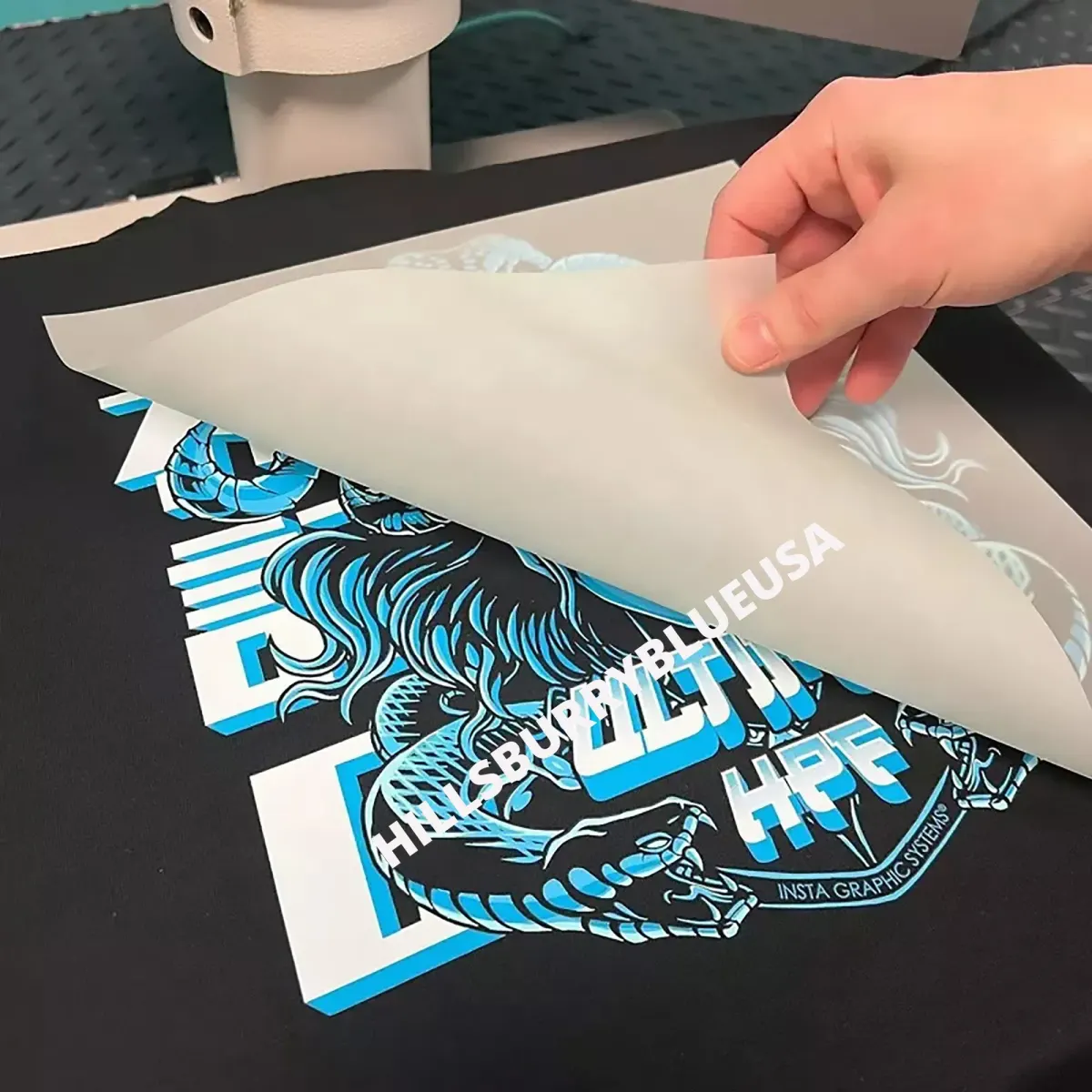
DTF transfers, or Direct-to-Film transfers, are transforming the landscape of garment printing by bridging the gap between affordability and high-quality printing. This innovative technology allows for intricate designs to be easily transferred onto various fabrics, making it a favorite among custom apparel enthusiasts. With the rise of this printing method, businesses are now able to produce vibrant, durable prints while enjoying quicker turnaround times and reduced production costs. As the custom apparel market continues to evolve, keeping up with DTF printing trends is essential for anyone looking to thrive in the competitive world of printing technology. In this exploration, we will dive deep into DTF transfers and their remarkable advantages over traditional garment printing methods.
Also known as Direct-to-Film printing, this method is gaining significant traction as a leading choice in the realm of apparel decoration. DTF technology empowers creators by allowing them to apply detailed artwork to a range of textiles effortlessly, making it an excellent option for personalized and branded clothing. The advantages of this technique include high-resolution visuals and an efficient workflow that appeals to both small businesses and large-scale operations. Furthermore, as printing technology trends evolve, more advancements are enhancing the DTF process, solidifying its place in the competitive custom apparel market. With increased accessibility and myriad applications, this printing method is poised to dominate garment printing for years to come.
Understanding the DTF Printing Process
DTF printing, or Direct-to-Film printing, is an innovative technique that enables the application of vivid and detailed designs onto fabrics through a unique process. This begins with the meticulous creation of a digital design that is printed onto a specialized release film. The use of high-quality DTF inks ensures that the colors remain vibrant and are designed to facilitate strong adhesion on a variety of fabric types. This stage is important as the quality of the print directly affects the final appearance of the custom apparel.
Following the film printing, an adhesive powder is applied while the ink is still wet, allowing the powder to bond with the uncured ink. Once the powder has been applied, the film is cured, which solidifies the adhesive and prepares it for transfer. The final step involves applying heat and pressure to transfer the design onto the fabric, ensuring a durable and professional finish. This method not only enhances the quality of the prints but also conserves time and resources compared to traditional garment printing methods.
Frequently Asked Questions
What are DTF transfers and how do they improve garment printing?
DTF transfers, or Direct-to-Film transfers, are a garment printing method that allows for high-quality designs to be applied to various fabrics. This innovative printing technology ensures vibrant colors and sharp details, making it ideal for custom apparel. By combining affordability with impressive durability, DTF transfers have quickly become a preferred choice in the custom apparel market.
How does the DTF printing process work?
The DTF printing process involves several key steps: first, a digital design is created, followed by printing on a special release film with DTF inks. After that, a powdered adhesive is applied, and the film is cured to bond the ink and adhesive. Finally, the design is transferred to the fabric using heat and pressure, resulting in a high-quality print that stands the test of time.
What types of fabrics can I use with DTF transfers?
DTF transfers are highly versatile and can be used on a variety of fabrics including cotton, polyester, and blends. This flexibility allows businesses to expand their offerings, catering to different needs in garment printing, whether for sportswear, casual wear, or upscale fashion.
What are the advantages of using DTF printing in custom apparel?
DTF printing offers numerous advantages, including high-quality finishes with bright colors and fine details, reduced production times, and lower setup costs compared to traditional methods like DTG printing. This makes DTF an excellent choice for businesses looking to produce custom apparel efficiently and economically.
Are there any recent trends in DTF printing technology?
Yes, recent trends in DTF printing technology include improvements in ink formulation for better adhesion and flexibility, the development of environmentally friendly inks, and enhanced custom printing software for easier order management. These advancements help streamline the DTF process and meet the demands of eco-conscious consumers.
How is DTF printing contributing to the growth of the custom apparel market?
DTF printing is driving growth in the custom apparel market due to its accessibility, affordability, and high-quality output. As more small businesses and hobbyists adopt this technology, the demand for customizable apparel has surged, supported by educational resources that help newcomers learn about DTF techniques.
| Key Points of DTF Transfers | |
|---|---|
| What is DTF Printing? | DTF stands for Direct-to-Film printing, a method used to transfer intricate designs onto fabrics. |
| Process Overview | Includes steps like design creation, film printing, powder adhesive application, curing, and transfer to fabric. |
| Flexibility in Fabric Choices | Can be used on various fabrics including cotton and polyester, suitable for different apparel types. |
| Durability and Longevity | DTF prints are durable and comparable to traditional screen prints, resisting fading and cracking. |
| Advantages of DTF Transfers | Includes high-quality finishes, reduced production time, lower setup costs, and simplified workflows. |
| Recent Developments in DTF Printing | Includes ink formulation improvements, environmentally friendly inks, and better custom printing software. |
| Market Trends Impacting DTF Printing | Rising popularity and educational resources are driving growth in the custom apparel market. |
Summary
DTF transfers represent a modern and innovative method of garment printing tailored to meet the growing demands of quality and efficiency in fashion and apparel. DTF (Direct-to-Film) printing is not only distinguished by its ability to produce vibrant, high-resolution designs, but also by its versatility in fabric compatibility and durability. As advancements in printing technology continue to unfold, DTF transfers emerge as a smart choice for businesses looking to produce high-quality textiles while simultaneously embracing sustainability and innovation. With easy workflows and reduced production times, DTF printing is paving the way for exciting creative possibilities in the custom apparel industry.