
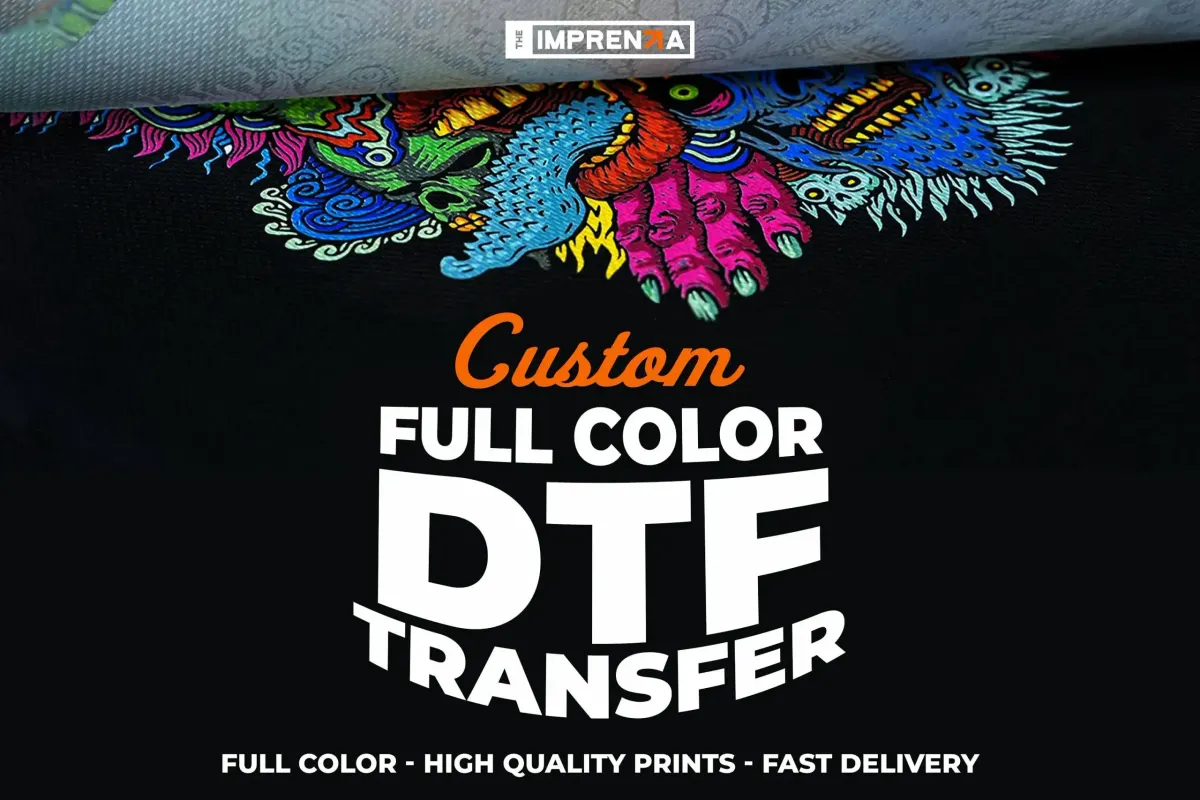
In the ever-evolving landscape of custom apparel, **DTF transfers** are taking center stage as a game-changing printing technique. Revolutionizing the way designs are applied to fabric, DTF printing allows creators to produce vibrant designs with remarkable detail and quality. This method utilizes specialized transfer film that enables seamless application through heat pressing, providing exceptional durability. Whether you’re a fashion designer or a DIY enthusiast, DTF transfers offer endless possibilities for customization, transforming everyday clothing into unique pieces of art. Join us as we delve deeper into this exciting technology and explore how it can elevate your creative projects.
Direct-to-Film (DTF) printing, alternatively known as film transfer printing, has emerged as a popular choice for crafting custom designs on textiles. This innovative process utilizes a unique film to transfer high-resolution graphics onto fabrics, making it an ideal solution for those seeking to distinguish their products. With the blend of heat application and vibrant color capability, this method paves the way for personalized apparel that stands out in any crowd. Beyond clothing, film transfer techniques are increasingly being explored for a variety of products, showcasing their versatility and appeal across multiple industries. Let's explore how this advanced technology enhances design possibilities and meets the ever-growing demand for customization.
Understanding the Benefits of DTF Transfers
DTF transfers present a revolutionary approach in the realm of custom apparel, offering unmatched benefits compared to traditional printing methods. One of the standout advantages is the ability to produce vibrant and intricate designs that are not only visually appealing but also durable. Unlike direct-to-garment (DTG) printing, DTF allows for a wider variety of fabrics, enabling creators to apply their designs on requests ranging from cotton to polyester and blends. This versatility opens the door to limitless customization options, making it an ideal choice for businesses looking to make a bold statement.
Another significant benefit of DTF transfers is their efficiency in production. The process streamlines the workflow by allowing multiple designs to be printed and transferred quickly without compromising quality. This is especially advantageous for small businesses and startups needing to fulfill orders rapidly without sacrificing the vibrancy and detail of their designs. Moreover, with eco-friendly inks and materials becoming more available, using DTF printing can align with sustainability goals while maintaining high-quality outputs.
Key Equipment for DTF Printing Success
To execute DTF printing effectively, understanding the essential equipment is crucial. The backbone of this method is the DTF printer, which utilizes water-based inks that ensure vibrant colors and longevity in printed designs. Popular models from reputable brands like Epson and Brother offer high-resolution outputs that accurately reflect your creative vision. Pairing a reliable DTF printer with high-quality transfer film is equally important, as the film must be compatible with your printer to guarantee optimal ink absorption and design transfer.
In addition to printers and film, the right heat press is fundamental for flawless DTF transfers. A heat press machine applies heat and pressure uniformly, ensuring a strong bond between the design and fabric. Investing in a high-quality heat press not only enhances the durability of your prints but also provides a smoother transfer process. Finally, don’t overlook the adhesive powder; it is a key ingredient that secure the design to the fabric, making it indispensable for a successful DTF printing experience.
Step-by-Step Guide to Perfect DTF Designs
Creating stunning DTF transfers begins with meticulous design preparation. Utilizing graphic design software like Adobe Illustrator or Photoshop is crucial for setting up your designs. Be sure to adjust the color profiles to CMYK to achieve accurate color representation during printing. It's essential to remember that your designs need to be printed in reverse. This step is paramount, as it sets the stage for the correct final appearance once transferred to the fabric.
After your design is primed and printed, applying adhesive powder becomes the next essential step. Sprinkling the adhesive powder while the ink is still wet is necessary for a successful transfer. This ensures that after curing with a heat gun, the powder will activate, effectively bonding the print to the fabric. Finally, the heat pressing process concludes the task, ensuring every colorful detail is embedded into the textile. When performed correctly, these steps lead to vibrant designs that are both striking and resilient.
Latest Trends in DTF Printing
The DTF printing method is continually evolving, with trends reflecting the industry's shift towards more sustainable practices. Many brands are now choosing eco-friendly materials and inks, catering to a growing consumer demand for responsible fashion. This trend not only minimizes environmental impact but also appeals to a conscious audience, thus enhancing brand reputation. Choosing sustainable materials in the DTF process can lead to a more loyal customer base, who are increasingly attracted to brands that prioritize eco-friendly operations.
Furthermore, DTF transfers are expanding their applications beyond clothing. Initially favored for t-shirts and sweatshirts, the technology's versatility now includes items such as bags, home decor, and even promotional products. This evolution reflects an increasing recognition of DTF as a comprehensive solution in the customization industry. Businesses leveraging these varied applications can differentiate themselves in saturated markets and explore innovative avenues that add value to their offerings.
Resources for Mastering DTF Printing Techniques
For those looking to explore DTF printing in depth, plenty of resources can provide valuable insights and guidance. YouTube features a myriad of tutorials where experienced creators share their best tips and tricks, allowing you to visually grasp the intricate processes involved. These videos often cover common challenges and practical solutions, empowering new users to navigate the complexities of DTF printing confidently.
In addition to video tutorials, industry blogs such as Printavo and ColDesi are excellent platforms for in-depth articles and expert advice. They track current trends, emerging techniques, and best practices, serving as a knowledge hub for anyone serious about excelling in DTF printing. Engaging with these resources can significantly shorten the learning curve and help users stay updated on the latest developments in DTF technology.
Conclusion: Embracing the Future of DTF Transfers
DTF transfers represent a significant leap forward in creating vibrant designs for custom apparel and promotional items. By following the structured processes outlined in this guide, you can harness the full potential of DTF printing to achieve stunning and long-lasting results. Embracing innovative techniques not only enriches your creative portfolio but also keeps you competitive in a rapidly evolving industry.
As DTF printing continues to develop, staying informed about new technologies and sustainable practices will ensure that your designs remain relevant and appealing. Whether you are a business owner or a hobbyist, the world of DTF transfers offers endless possibilities for creativity and customization. Take the leap, experiment with your designs, and watch as your artistic vision flourishes in this vibrant medium.
Frequently Asked Questions
What are DTF Transfers and how do they work in custom apparel?
DTF transfers, or Direct-to-Film transfers, involve printing vibrant designs onto a special film which is then heat-pressed onto fabrics. This method is gaining popularity for its ability to create intricate and colorful prints suitable for custom apparel, promotional products, and more.
What materials are essential for successful DTF printing?
To successfully execute DTF printing, you need a DTF printer, transfer film, adhesive powder, and a heat press. Each of these components plays a crucial role in ensuring high-quality, durable prints on custom apparel.
How can I ensure vibrant designs when using DTF transfers?
To achieve vibrant designs with DTF transfers, use a quality DTF printer that utilizes water-based inks, set appropriate color profiles to CMYK, and ensure precise printing techniques. This will enhance the richness and longevity of your artwork on custom apparel.
Can DTF transfers be used on different fabric types?
Yes, DTF transfers are versatile and can be applied to various fabric types including cotton, polyester, and blends. This makes them ideal for custom apparel, allowing for a wide range of creative applications.
What is the ideal temperature and duration for heat pressing DTF transfers?
When using a heat press for DTF transfers, set the machine to 305°F and apply pressure for about 15-20 seconds. This ensures a strong bond between the transfer film and the fabric, resulting in a high-quality design.
Are DTF printing techniques evolving and what are the latest trends?
Yes, DTF printing techniques are evolving, with trends focusing on sustainability through eco-friendly materials. Additionally, DTF transfers are increasingly being used in diverse applications beyond clothing, such as home decor and accessories.
| Key Points | |
|---|---|
| **What Are DTF Transfers?** | DTF transfers involve printing designs onto a film and then heat-pressing them onto fabric, enabling intricate and colorful designs. |
| **Key Materials Required** | - DTF Printer (e.g., Epson, Brother) - Transfer Film - Adhesive Powder - Heat Press Machine |
| **Step-by-Step Process** | 1. Prepare the design in graphic software. 2. Print the design on transfer film. 3. Apply adhesive powder to the wet ink. 4. Use heat press to transfer the design to fabric. 5. Allow to cure before final inspection. |
| **Recent Trends** | - Growing use of sustainable materials in DTF printing - Expansion of DTF applications beyond clothing to accessories and home decor. |
| **Further Learning Resources** | - YouTube Tutorials on DTF printing. - Industry blogs like Printavo and ColDesi for detailed insights. |
Summary
DTF Transfers refer to a cutting-edge printing method that allows for the production of stunning, vibrant designs on various fabrics. This innovative technique has transformed the custom apparel industry by offering endless possibilities for creativity and personalization. With the right materials and application techniques, anyone can achieve professional-quality results that resonate with consumers. The continuing evolution of DTF printing, including a focus on sustainability and expanding application areas, demonstrates its importance in the modern printing landscape and offers a glimpse into the future of custom design.