
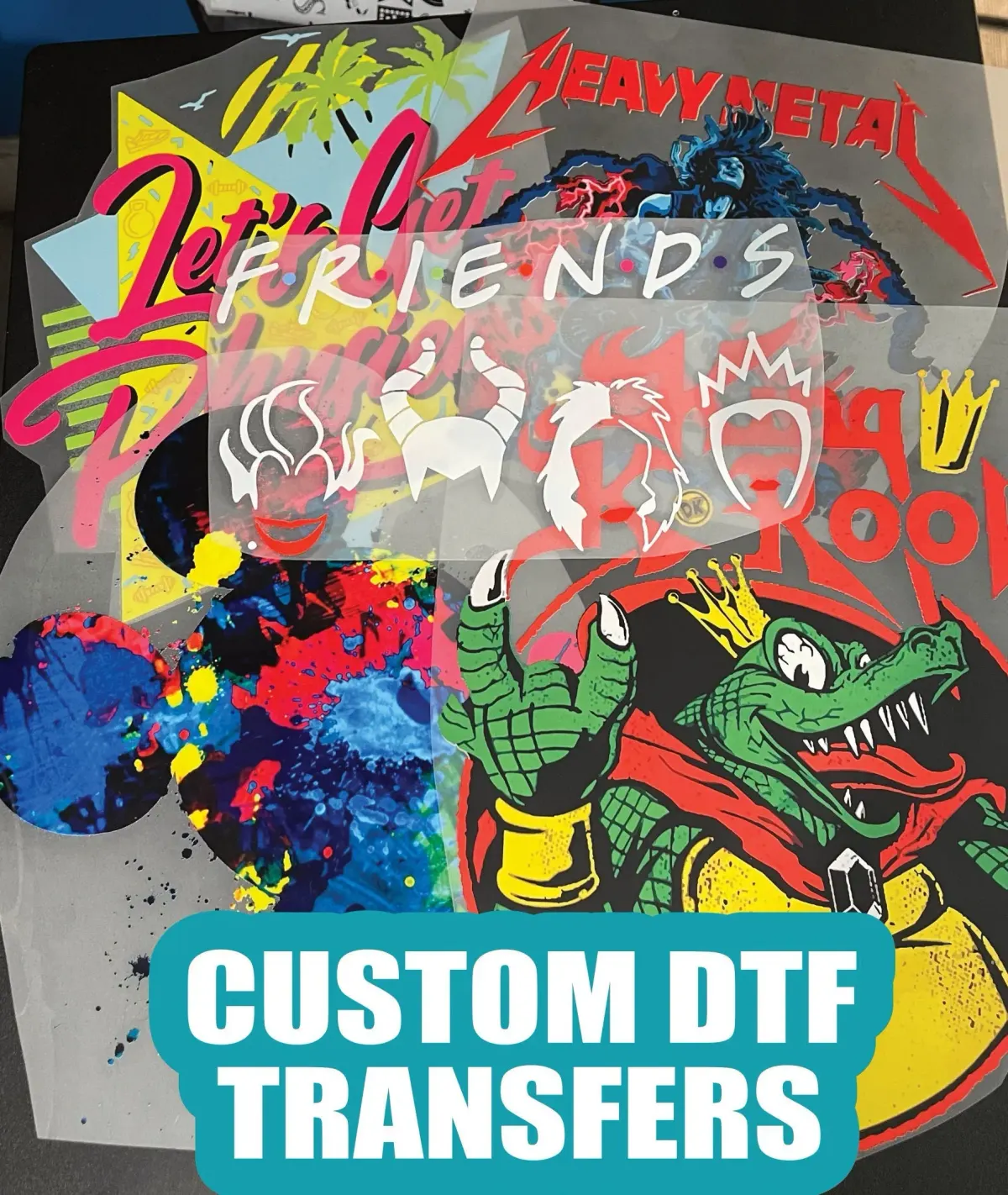
DTF transfers, or Direct-to-Film transfers, have revolutionized the custom apparel printing landscape with their ability to produce vibrant, durable prints on a variety of fabrics. This innovative technique utilizes direct-to-film printing, ensuring that colors pop and designs remain intact through washing and wear. For those eager to learn how to DTF transfer effectively, our comprehensive DTF printing guide will provide you with all the essential information needed to excel. By understanding the DTF transfer process and utilizing high-quality DTF printing materials, you can create stunning apparel that stands out. Join us as we delve into the intricacies of the DTF printing method, ensuring your custom designs are not only eye-catching but also long-lasting.
Direct-to-Film technology, commonly referred to as DTF printing, is becoming increasingly popular among textile artists and custom shirt manufacturers due to its impressive results. This method allows users to print directly onto a specialized film, making it easier to transfer intricate designs onto fabrics without compromising quality. Many are now seeking guidance on how to master the art of fabric decoration, and our step-by-step instructions on the DTF transfer process are designed to simplify this for beginners and seasoned printers alike. Utilize the best DTF printing materials to ensure vibrant results, as this approach provides flexibility and durability for your creations. Embrace this cutting-edge technique and transform the way you approach custom apparel design.
The Advantages of DTF Printing Over Traditional Methods
DTF printing has rapidly gained appeal in the custom apparel printing landscape, positioning itself as a superior alternative to traditional printing methods. One of the standout advantages of DTF transfers is their ability to produce vibrant and intricate designs that remain true to the original artwork. Unlike screen printing, which may limit color complexity, DTF printing can handle a wider spectrum of hues, enabling artists to create stunning visuals without compromise.
Moreover, the versatility of DTF printing allows it to be used on an array of fabric types—from cotton to polyester—without the complications sometimes faced with other methods. This adaptability ensures that businesses can broaden their product offerings and attract a diverse customer base. Additionally, DTF transfers are known for their durability, providing long-lasting designs that can withstand repeated washes, making them ideal for everyday wear.
Essential Materials for Successful DTF Transfers
To achieve flawless DTF transfers, it is crucial to source high-quality materials. Start with a DTF printer that is specifically designed for the transfer process, as using the right printer ensures optimal ink flow and reduces the risk of printing errors. Pair the printer with top-notch DTF inks, which are formulated to deliver vibrant colors and excellent adhesion when applied to a range of fabrics.
In addition to the printer and inks, transfer films play a vital role in the DTF printing journey. Using specialized transfer films that are compatible with DTF inks will aid in achieving sharp, detailed transfers. Finally, don’t forget the hot melt adhesive powder—a key component that bonds the printed design to the fabric during the heat transfer process. Investing in high-quality DTF printing materials sets the foundation for outstanding results.
A Comprehensive DTF Printing Guide: Step-by-Step Process
Embarking on the DTF transfer journey begins with familiarizing yourself with the step-by-step process. Start by creating your design in graphic design software, ensuring your artwork is suitable for DTF printing. After finalizing your design, print it onto the transfer film using the DTF printer. It's important to adjust printer settings to cater to both the film and ink specifications, which guarantees vibrant and accurate color reproduction.
Following the print, immediately sprinkle the hot melt adhesive powder onto the wet ink to enable proper bonding. The next crucial step involves curing the adhesive using a heat gun or curing unit, allowing the adhesive to melt and fuse with the printed ink. After the adhesive has cured, position the film on the desired fabric and apply consistent pressure and heat using a heat press. Finally, allow the transfer to cool before peeling off the film to reveal the flawlessly printed design.
Troubleshooting Your DTF Transfer Process
As with any printing technique, issues may arise during the DTF transfer process. One common challenge is poor adhesion, which can lead to unsatisfactory results. To rectify this, ensure the adhesive application is done while the ink is wet and double-check the accuracy of your heat press settings. Using a heat press that cannot maintain steady temperatures can compromise the transfer's effectiveness.
Another frequent issue is color fading. This can often be attributed to low-quality inks or misconfigured printer settings. Always opt for high-quality DTF inks and make sure your printer is accurately calibrated to the film's requirements to maintain color vibrancy. If you encounter bubbling or cracking in transfers, excessive heat may be the culprit. Adjust your temperature settings to find the right balance that prevents these flaws.
Innovative Technologies in DTF Printing
Given the dynamic nature of the printing industry, innovations in DTF technology are emerging at a rapid pace. Modern DTF printers are equipped with advanced features that enhance color profiles, streamline the printing process, and improve overall print quality. These innovations enable users to achieve vibrant, detailed prints with greater ease and efficiency, making DTF printing more accessible than ever.
Additionally, advancements in DTF inks and adhesives have significantly improved their performance and adhesion properties. With these new technologies, printers can produce stunning designs that not only look good but are also long-lasting and resistant to common wear and tear. Staying updated with the latest innovations in DTF printing will empower users to consistently deliver high-quality results in their apparel projects.
Post-Transfer Care: Ensuring Longevity of DTF Prints
Once your DTF transfers have been successfully applied, proper post-transfer care is critical to ensure their longevity. Allow the garments to rest for at least 24 hours before washing to ensure that the prints fully set. This step is vital as rushing the process can compromise the durability and vibrancy of the designs.
When it's time to wash the garment, always follow the recommended care instructions to preserve the quality of the print. It is often advised to wash garments inside out on a gentle cycle, avoiding high temperatures and harsh detergents. By adhering to these care tips, you will protect your DTF transfers and maintain the stunning colors and details that made them stand out in the first place.
Frequently Asked Questions
What are DTF Transfers and how do they work?
DTF transfers, or Direct-to-Film transfers, involve printing images onto a special film that is later applied to various fabrics using heat and pressure. This method offers vibrant colors and durability, making it a popular choice for custom apparel.
What materials do I need for DTF printing?
For successful DTF printing, you will need a DTF printer, transfer film, DTF inks, hot melt adhesive powder, and a heat press. Each of these materials plays a crucial role in producing high-quality DTF transfers.
How do I perform the DTF transfer process step-by-step?
The DTF transfer process includes steps like printing your design onto transfer film, applying hot melt adhesive powder, curing the adhesive, heat-pressing the film onto fabric, and then peeling off the film to reveal the design.
What should I consider for optimal DTF printing results?
To achieve the best DTF transfers, focus on using high-quality DTF printing materials, maintaining consistent temperature and pressure during the transfer process, and allowing the garments to rest post-transfer for long-lasting prints.
How can I troubleshoot poor adhesion with DTF transfers?
If your DTF transfers are not adhering well, check that you applied the hot melt adhesive powder while the ink was wet and verify your heat press settings. Inadequate adhesive application or incorrect temperature can lead to poor adhesion.
What innovations are currently shaping DTF printing technology?
Recent innovations in DTF printing include advancements in printer technology and ink formulations, which enhance color profiles and adhesion, simplifying the transfer process and improving overall print quality.
| Key Point | Details |
|---|---|
| Understanding DTF Printing Basics | DTF (Direct-to-Film) printing transfers vibrant images onto fabrics using heat, providing durability and versatility. |
| Materials Required | Includes a DTF printer, transfer film, DTF ink, hot melt adhesive powder, and a heat press. |
| Step-by-Step Process | 1. Print the design on transfer film. 2. Apply adhesive powder. 3. Cure the adhesive. 4. Transfer to fabric. 5. Peel away the film. |
| Tips for Best Results | Use quality materials, control temperature, ensure even pressure, and allow 24 hours of rest after transfer. |
| Troubleshooting | Address issues like poor adhesion, fading colors, and bubbling by adjusting technique and materials. |
| Recent Innovations | Continuous advancements in DTF technology enhance color quality and adhesion. |
Summary
DTF Transfers signify a cutting-edge advancement in the realm of custom apparel printing, reshaping the way vibrant designs are applied to fabrics. By understanding the DTF process, including the essential materials needed and the careful execution of steps, anyone can and should embrace this technique. High-quality results not only captivate attention but also ensure longevity, making DTF transfers a preferred method for both amateur and professional printers. Engage with the latest innovations in DTF technology to further enhance your custom printing projects.