
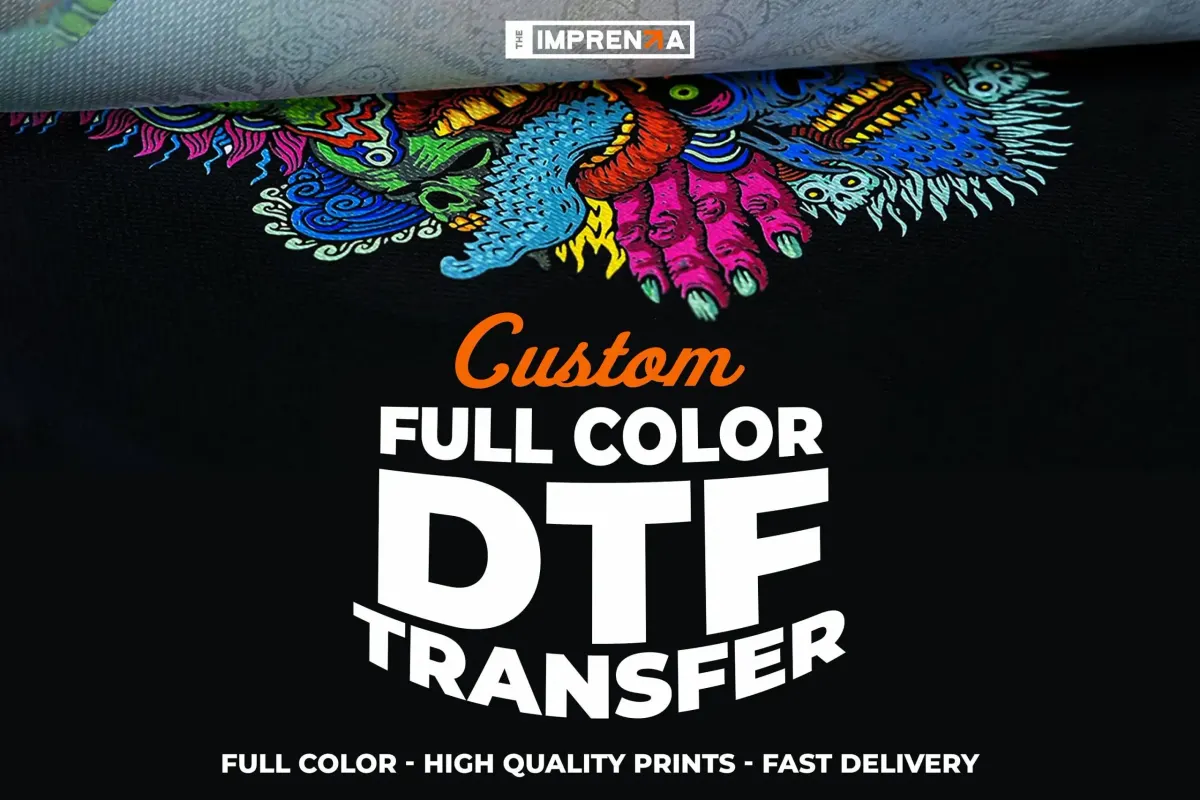
DTF Transfers, or Direct-to-Film printing, has emerged as a revolutionary method in the custom apparel printing landscape, capturing the attention of entrepreneurs and creators alike. This innovative technology allows for high-quality, vibrant designs to be transferred directly onto a variety of fabrics, making it an ideal choice for those looking to personalize their clothing. With benefits such as exceptional clarity, durability, and versatility, DTF printing technology is swiftly becoming a preferred option over traditional methods. As we explore the advantages of DTF transfers, we will also compare them with other popular printing techniques like DTG printing, shedding light on why many are opting for this game-changer in the custom apparel market. Whether you’re starting a clothing line or enhancing your DIY projects, understanding DTF transfers can significantly elevate your fabric decorating endeavors.
When discussing Direct-to-Film transfers, one cannot overlook the impact of innovative fabric-transfer techniques in the textile industry. This approach, characterized by its ability to print directly on specially coated film before transferring onto garments, is revolutionizing how creatives approach fabric design. The growing popularity of this method is due to its ability to produce stunning, sharp images while being adaptable to various textile materials. Additionally, as we compare DTF with other techniques such as Direct-to-Garment (DTG) printing, it becomes clear that DTF offers unique benefits, particularly in efficiency and cost-effectiveness for small to medium production runs. By embracing DTF printing technology, businesses and hobbyists alike can unlock new creative possibilities in the realm of custom apparel.
Understanding the Basics of DTF Transfers
DTF transfers, or Direct-to-Film transfers, have revolutionized the landscape of custom apparel printing. This method provides a powerful alternative to traditional techniques like screen printing and Direct-to-Garment (DTG) printing. By utilizing high-quality PET films, DTF allows intricate designs to be printed with vibrant colors, ensuring that your graphics stand out beautifully on a variety of fabric types. The process begins by printing onto the special film, which captures fine details, making it an excellent choice for complex designs.
What sets DTF apart is its adaptability. Unlike some printing methods that are limited to certain fabrics, DTF can effectively print on cotton, polyester, and even blends, making it highly versatile. This capability means that designers and businesses can offer a wider range of products, from trendy t-shirts to cozy home textiles, all featuring high-definition prints that maintain their integrity over time. The future of custom apparel printing clearly lies in techniques like DTF.
The Mechanics of Direct-to-Film Printing
Direct-to-Film printing operates through a seamless process that includes several key steps, each crucial for achieving high-quality transfers. Initially, a digital design is crafted and printed onto specialized film using advanced printing technology. This film is treated to retain ink beautifully, ensuring that the end transfer has a polished look. Following this, an adhesive powder is applied, which activates during the heat transfer process to secure the ink firmly onto the fabric.
Once the film with printed design meets the heat press, it undergoes a transformative process where heat and pressure work together to transfer the design onto the apparel. This method not only simplifies the production but significantly enhances the quality and longevity of the prints. After the transfer process, the film is peeled away, revealing a stunning and durable design deeply bonded to the fabric.
Advantages of DTF Transfers in Apparel Printing
The advantages of DTF transfers are compelling, particularly for businesses looking to optimize their custom printing processes. One of the primary benefits is the exceptional print quality, which rivals that of Direct-to-Garment printing. With sharp details and vivid colors, DTF transfers can achieve results that were previously unattainable without significant investment in equipment, making them an attractive option for small businesses.
Moreover, DTF technology is cost-effective, especially for small to medium production runs. Since it does not require screens like traditional screen printing methods, overhead costs are significantly lower, allowing businesses to maintain profitability without sacrificing quality. Additionally, DTF transfers boast impressive durability, being able to withstand washes and wear, which ultimately leads to satisfied customers and repeat business.
DTF vs DTG Printing: A Comparative Perspective
When evaluating DTF printing and Direct-to-Garment (DTG) printing, both methods present distinct advantages and considerations. While DTG printing excels in handling detailed artwork with an extensive color palette, DTF printing shines in its versatility and efficiency for custom apparel needs. DTF can produce high-quality transfers that work on a wider variety of materials, thus accommodating a broader audience and maximizing product offerings.
Another point of differentiation lies in the cost implications and scalability. DTF is often more economical for smaller projects or businesses just starting, as the initial equipment investment and material costs are generally lower than those associated with DTG printing. Additionally, DTF's capability to operate effectively on various fabrics ensures businesses can cater to diverse customer preferences, while DTG printing might require specific types of fabric for optimal results.
The Future of DTF Printing Technology
The advancements in DTF printing technology are paving the way for exciting trends in the custom apparel market. Recent developments indicate a push toward greater efficiency, with manufacturers introducing faster printing machines that enhance workflow for both small workshops and large-scale operations. These innovations not only save time but also improve the overall quality of prints, making it a favored option among printers.
Sustainability is another factor driving the future of DTF printing. As eco-conscious practices become increasingly crucial, DTF technology stands out by reducing ink consumption and waste compared to traditional methods. This eco-friendly aspect is appealing to businesses looking to market themselves as sustainably-oriented, which can be a strong selling point in today’s conscientious marketplace.
Exploring Custom Apparel Options with DTF Transfers
DTF printing opens up a world of possibilities for custom apparel, allowing designers to create unique, personalized products that resonate with consumers. T-shirts, hoodies, and tote bags are just a few examples of items that can be adorned with custom designs through DTF transfers, ensuring each piece stands out in the competitive landscape of fashion and personalized gifts.
The method's flexibility means that businesses can explore niche markets and tailored designs for events, promotional items, or personal use. With the ability to print high-quality graphics on various fabrics, DTF transfers cater to a wide audience, enhancing customer satisfaction and potentially boosting sales. This adaptability ensures that as trends evolve, businesses can quickly pivot their offerings to align with consumer demands.
Frequently Asked Questions
What are DTF Transfers and how do they work?
DTF Transfers, or Direct-to-Film printing, involve printing high-quality images onto a special film before transferring them onto fabric. The process begins with creating a digital design, printing it on PET film, applying adhesive powder, and then using heat and pressure to transfer the ink onto the fabric, resulting in vibrant and durable designs.
What are the advantages of DTF Transfers compared to other methods?
DTF Transfers offer several advantages, including high-quality prints with bright colors, cost-effectiveness for small runs, and compatibility with various fabric types. This versatility allows for a broader range of custom apparel options, making DTF printing a popular choice for many businesses.
How do DTF Transfers differ from DTG printing?
DTF Transfers and DTG printing both provide high-quality prints, but they differ in their methods. DTF involves printing on film which is then transferred onto fabric, while DTG prints directly onto garments. DTF is often more cost-effective for smaller production runs and allows for printing on multiple fabric types.
What materials can be used with DTF Transfers?
DTF Transfers are versatile and can be used on a variety of materials, including cotton, polyester, and blends. This adaptability makes DTF printing suitable for diverse products, from t-shirts to home textiles, catering to different customer needs.
Are DTF Transfers durable and long-lasting?
Yes, DTF Transfers are known for their durability. The designs are stretchable and maintain their quality through numerous washes without fading, making them a reliable choice for custom apparel that requires long-lasting results.
What are some common uses for DTF Transfers in the printing industry?
DTF Transfers are commonly used for custom apparel printing, including t-shirts, hoodies, and hats. They are also popular for creating promotional items, sportswear, and even home decor, thanks to their versatility and high print quality.
| Aspect | Details |
|---|---|
| Definition | A printing technique that transfers high-quality images from film to fabric. |
| Process Steps | 1. Print design on PET film. 2. Apply adhesive powder on wet ink. 3. Heat transfer the film to fabric. 4. Cool and peel the film away. |
| Key Features | - Versatile across various fabrics. - High-quality prints comparable to DTG. - Durable and resistant to wash fading. - Cost-effective for short runs. |
| Trends | - Increased popularity among small businesses. - Development of faster and more eco-friendly printing equipment. |
| Pros & Cons | Advantages: - High-quality and vibrant prints. - Economical for smaller production runs. - Compatible with a wide range of fabrics. Disadvantages: - Learning curve for new users. - Potential high material costs. |
Summary
DTF transfers represent a significant advancement in the world of textile printing, offering a seamless solution for creating custom apparel. This innovative printing method enables the application of vibrant and detailed designs to various fabric types, enhancing the creative potential for both small businesses and hobbyists. With its user-friendliness, cost-effectiveness, and environmentally sound practices, DTF printing is poised to remain a frontrunner in the evolving landscape of custom printing. Embracing DTF transfers not only ensures high-quality outputs but also encourages sustainability in the fabric decorating industry.