
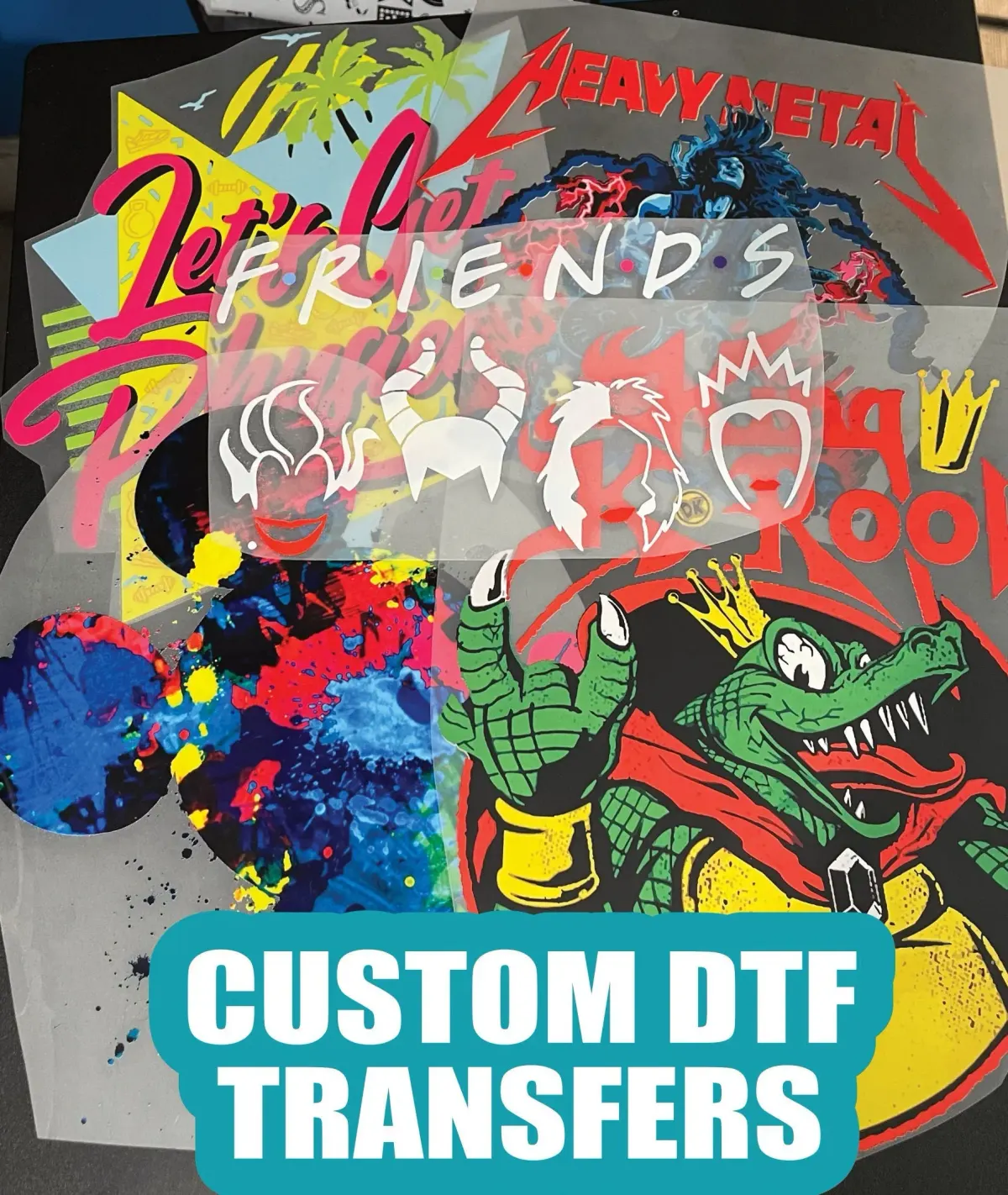
DTF Transfers, or Direct to Film Transfers, are revolutionizing the realm of custom garment printing, making it accessible to both novices and experienced printers alike. This innovative technology allows users to transfer vibrant, intricately designed images directly onto fabrics, opening up a world of creative opportunities. With a user-friendly DTF printing process, even beginners can dive into the craft without feeling overwhelmed. The advantages of DTF transfers extend beyond just ease of use; they offer exceptional durability, versatility across various fabric types, and high-quality outputs. As we delve into the comprehensive guide on DTF transfers, get ready to unlock the secrets of creating stunning apparel that stands out in any crowd.
Often referred to as Direct to Film printing, the process of DTF involves printing designs onto a specialized film, which is then heat transferred onto fabric. This technique embraces the beauty of bold and colorful graphics, distinguishing itself from traditional screen printing methods. For those looking to venture into garment decoration, DTF printing for beginners presents an approachable entry point with clear steps to follow. Additionally, understanding how to use DTF transfers will enable crafters and entrepreneurs alike to harness this remarkable method for personalized apparel creation. As we explore the intricacies of DTF, you'll discover its promise for quality, durability, and creative expression.
What Are DTF Transfers?
DTF Transfers, or Direct to Film transfers, are an innovative technique in the garment printing industry that involves printing designs onto a specialized film. This process allows users to create intricate and colorful graphics that can easily be applied to various fabrics. Compared to traditional methods, such as screen printing, DTF printing is more flexible and capable of achieving detailed images with a broad spectrum of colors. Many users are particularly drawn to its capacity for high-quality output, making it ideal for custom apparel and merchandise.
The DTF printing process begins with designing graphics using advanced software and then using the specialized DTF printer to transfer these images onto the film. This technique not only caters to businesses looking to create unique designs but also provides hobbyists with the means to experiment and showcase their creative ideas. As a result, DTF transfers have gained popularity in the crafting community, empowering beginners and professional printers alike.
The DTF Printing Process Demystified
The DTF printing process is relatively straightforward, allowing for an accessible entry point for novices in the world of fabric printing. Initially, a design is created digitally, ensuring it is tailored for the intended fabric. Next, the image is printed onto a transfer film using high-quality DTF inks, which are specially formulated to bond with the film surface effectively. A critical element of this process involves applying a powder adhesive to the printed film after printing, which ensures that the design adheres correctly to the fabric during the heat transfer.
Following the preparation step, the adhesive-coated film undergoes a heat transfer process, where a heat press is utilized to bond the design to the desired fabric. This method enables the transfer of vibrant colors and intricate details crucial for creating stunning garments. Lastly, once the heat application is complete, the film is peeled away, leaving behind a durable and brilliant print on the fabric, ready for use.
Advantages of DTF Transfers for Beginners
One of the primary advantages of DTF transfers is their user-friendliness, particularly for beginners venturing into the realm of garment printing. Unlike more complex methods that require extensive training and setup, DTF printing can be mastered quickly. This accessibility is especially beneficial for hobbyists or small business owners looking to expand their offerings without significant upfront costs.
Moreover, DTF transfers boast high-quality outputs that include vibrant colors and meticulous details. The technology allows for intricate designs that traditional methods might struggle to reproduce, thus elevating the potential for artistic expression. This combination of simplicity and quality makes DTF transfers an attractive option for anyone looking to create custom apparel or gifts.
Key Considerations When Using DTF Transfers
While DTF transfers present an array of benefits, beginners must be aware of several considerations before diving into the DTF printing process. The initial investment can be a deterrent, as acquiring a DTF printer, high-quality films, and necessary adhesives require capital. For aspiring printing entrepreneurs, understanding the breakdown of equipment costs and the projected return on investment is vital for establishing sustainable practices.
Additionally, although the DTF printing process is relatively straightforward, a learning curve exists, particularly when mastering the nuances of heat settings, adhesive application, and printing techniques. Beginners should prepare to experiment and refine their skills over time, gaining familiarity with the DTF printing process to optimize their results on each project.
How to Use DTF Transfers Effectively
To maximize the potential of DTF transfers, beginners must familiarize themselves with every aspect of the process—from design preparation to the final application on fabric. It starts by creating a quality graphics file that optimally utilizes DTF-specific inks and films. Designers should always consider the fabric color and type when crafting their graphics to ensure color accuracy and vibrancy in the final product.
Once the design is created, it's crucial to choose a reliable DTF printer and ensure that the printing settings are properly adjusted for the film being used. Following this, the application of the powder adhesive must be done judiciously; the right amount will ensure that the design adheres well without making it too rigid. Lastly, mastering the heat press parameters can significantly influence the durability and texture of the final transfer, resulting in a product that meets professional standards.
Recent Developments in DTF Technology
As of 2024, the field of DTF printing continues to evolve with advancements in technology, particularly regarding inks and print films. Recent innovations have led to the development of inks that produce brighter colors and are more durable against fading and washing. This enhancement not only improves the final product’s appearance but also its longevity, making DTF transfers even more appealing for both professional and personal use.
Moreover, as DTF technology matures, access to affordable DTF printers and materials is becoming more widespread, democratizing the opportunity for aspiring printers to enter the market. This development encourages creativity and experimentation among beginners, allowing them to explore the full capabilities of DTF printing without prohibitive expenses.
Frequently Asked Questions
What are DTF transfers and how do they work?
DTF transfers, or Direct to Film transfers, involve printing designs onto a special film that is then heat-pressed onto fabric. This method allows for vibrant and intricate designs to be printed with high precision, making it ideal for custom apparel.
What are the advantages of DTF transfers compared to traditional printing methods?
The advantages of DTF transfers include their user-friendliness, ability to produce high-quality output with vibrant colors, versatility across various fabrics, durability against fading, and cost-effectiveness for small runs. This makes them a popular choice for beginners and professionals alike.
What do I need to get started with DTF printing as a beginner?
To start with DTF printing, you need a DTF printer, specialized DTF film, DTF inks, powder adhesive, and a heat press. With these tools, beginners can easily learn how to use DTF transfers and create custom designs.
How do I create DTF transfers step by step?
To create DTF transfers, first design your graphic using design software. Next, print the design on DTF film, apply powder adhesive, and then use a heat press to transfer the design onto the fabric. Finally, peel away the film to reveal your printed design.
Can DTF transfers be applied to all types of fabrics?
Yes, DTF transfers can be applied to a wide variety of fabrics, including cotton, polyester, and blends. This versatility makes DTF printing a great option for different garment styles and materials.
What are common challenges beginners face with DTF printing?
Common challenges for beginners in DTF printing include the initial equipment costs, learning to master the heat transfer process, and ensuring proper ink adhesion. Overcoming these challenges is part of the learning curve in the DTF printing process.
| Key Points | |
|---|---|
| Understanding DTF Transfers | DTF transfers involve printing images onto a film, which is applied to fabric using heat, offering better design capabilities than traditional methods. |
| Benefits | 1. User-Friendly: Minimal setup and quick to learn for beginners. 2. High-Quality Output: Produces vibrant colors and intricate designs. 3. Versatile: Works on various materials like cotton and polyester. 4. Durable: Resists fading and cracking over time. 5. Cost-Effective: Economical for small print runs. |
| Drawbacks | 1. Equipment Costs: Initial investment can be high. 2. Learning Curve: Mastering the process takes time. |
| Steps to Create DTF Transfers | 1. Design your graphic. 2. Print on DTF film. 3. Apply powder adhesive. 4. Heat transfer process. 5. Finalize the transfer. |
| Recent Developments | As of 2024, advancements in DTF technology enhance quality and reduce costs, making it more accessible. |
Summary
DTF transfers present a modern and accessible option for garment printing, especially for beginners keen on creating unique designs. This innovative printing method simplifies the process of transferring intricate graphics onto fabrics, proving to be both user-friendly and cost-effective, particularly for smaller projects. As technology continues to evolve, DTF transfers are set to become even more popular, empowering individuals and businesses alike to explore their creative potential in the fabric printing landscape.