
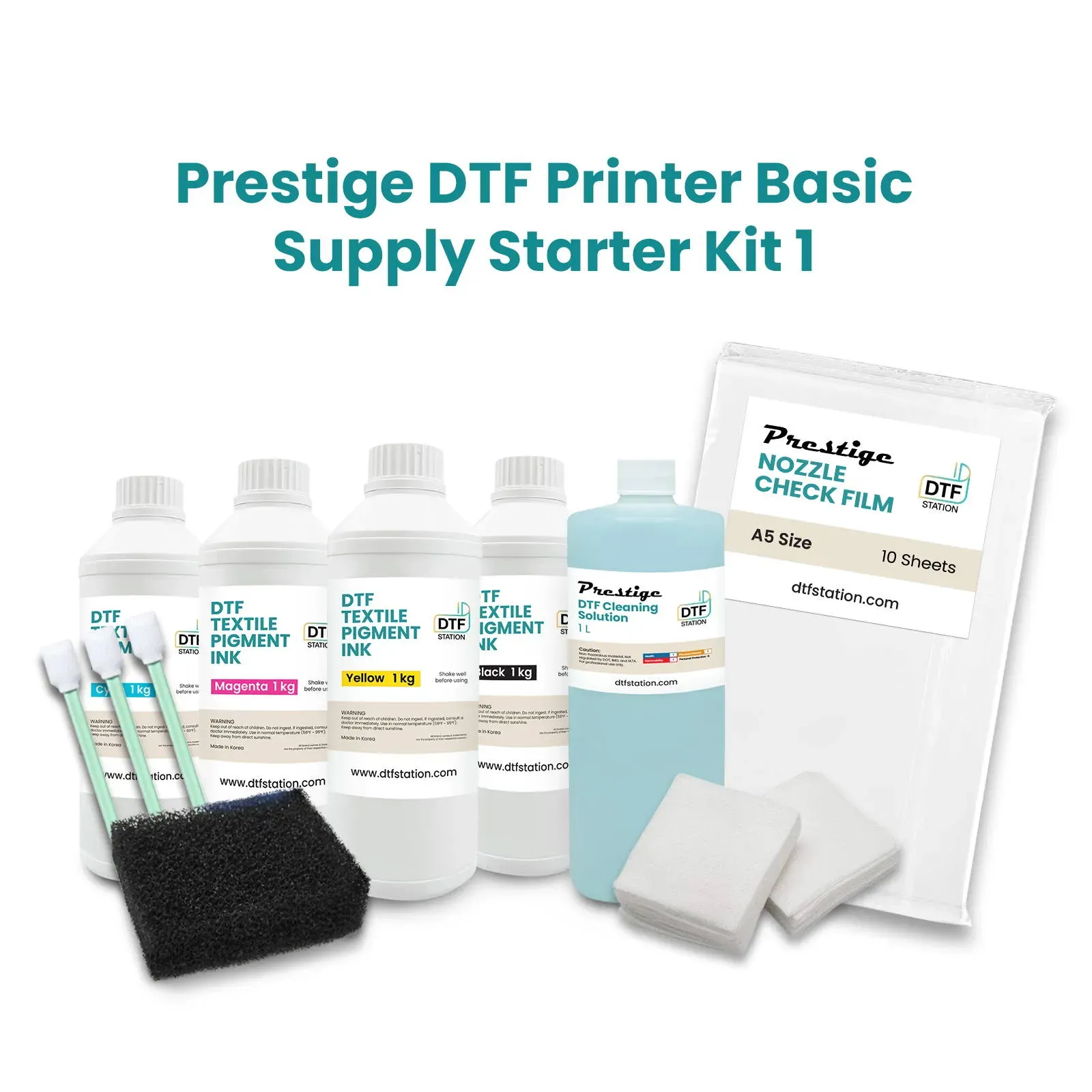
DTF supplies are essential for anyone looking to venture into the world of Direct to Film printing. With a variety of tools and materials available, from a reliable DTF printer to high-quality DTF transfer film, having the right supplies can make all the difference in your print quality. To achieve stunning, long-lasting designs on fabrics, it’s crucial to invest in the best DTF inks and a dependable heat press for DTF techniques. Whether you’re customizing apparel or creating promotional products, understanding the key DTF printing essentials is the first step to success. This guide will help you navigate through your DTF supply needs, ensuring you have a solid foundation for your printing projects.
When diving into the realm of Direct to Film printing, it's imperative to consider the various components that contribute to successful results. This innovative printing method, often referred to as DTF, utilizes a specialized printer and several crucial materials, including film and adhesive powders. By carefully selecting your DTF printing supplies, you'll be equipped to produce vibrant and durable transfers on a myriad of fabrics. In this overview, we will outline the necessary items and equipment you'll need to set up your DTF printing operation effectively, ensuring you’re set for creative success.
Understanding DTF Printing Technology
DTF printing, or Direct to Film printing, stands as a revolutionary technology in the world of textile printing. It streamlines the process of transferring vibrant designs onto fabrics, making it a favorite among apparel manufacturers and artists alike. Unlike traditional screen printing methods, DTF allows for full-color prints and intricate designs that would typically be challenging to achieve. The technology has captured the attention of many entrepreneurs looking to break into custom merchandise markets, providing them with the opportunity to produce professional-quality results with minimal effort.
The appeal of DTF printing lies in its versatility. It is not limited to specific types of fabrics or designs, allowing for spirited creativity across various materials, from cotton to polyester blends. As the demand for personalized items rises, understanding DTF printing technology becomes crucial for anyone looking to thrive in the competitive custom printing industry.
Essential DTF Supplies for Beginners
Starting your journey in DTF printing requires a well-curated list of essential supplies to ensure successful outcomes. A quality **DTF printer** is at the forefront of required equipment; it is indispensable for producing high-resolution prints on DTF transfer film. Ensuring compatibility between your printer and the chosen inks is vital, as using the wrong type can lead to poor print quality and damage your equipment.
Besides the printer, investing in **DTF transfer film** is key. This specialized film plays an essential role in the transfer process, allowing your designs to be accurately and vividly reflected on the final product. When selecting transfer film, reliability and compatibility with your printer are paramount to achieving the best results.
Choosing the Best DTF Inks for Quality Prints
Selecting the right inks is critical in DTF printing. The best **DTF inks** are typically water-based, offering bright, vibrant colors that are both durable and long-lasting. When you opt for high-quality inks, you significantly improve the longevity of your prints, making them resistant to washing, fading, and wear. It's essential to follow manufacturer recommendations and select inks specifically designed to work with your DTF printer for optimal outcomes.
Quality inks can enhance the color intensity and richness of your designs, ensuring that the printed images not only look stunning but also maintain their integrity over time. By investing in the best DTF inks, you are setting your printing projects up for success while also ensuring customer satisfaction with vibrant and durable products.
The Importance of a Reliable Heat Press in DTF Printing
A reliable **heat press** is a cornerstone of the DTF printing process. This machine is responsible for transferring your printed design onto fabric through the application of heat and pressure, a critical step that determines the quality of the final product. A heat press that provides even heat distribution is vital, as inconsistent temperature can lead to poor adhesion and compromised print quality.
For beginners, a clamshell heat press is often recommended due to its user-friendly design and straightforward operation. As you advance in your DTF printing journey, exploring various types of heat presses can help you refine your technique and enhance your printing capabilities, making this step an essential investment for your home studio.
Understanding Adhesive Powder in DTF Printing
Integral to the DTF printing process, **adhesive powder** plays a critical role in ensuring that your designs adhere properly to the fabric during the heat transfer process. After printing your design onto the transfer film, applying the adhesive powder is your next essential step. It's important to use a product specifically formulated for DTF applications, as this will ensure optimal bonding between the ink and the fabric.
The process of applying adhesive powder requires precision and care. A thorough and even distribution is necessary to achieve the best results, as any missed areas can lead to peeling or fading over time. Understanding how to effectively use adhesive powder is crucial for achieving immersive, high-quality prints that stand the test of time.
Curing Techniques: Oven or Heat Gun?
After applying adhesive powder to your DTF transfer film, curing is the next critical step in the DTF printing method. You can choose between a **curing oven** or a **heat gun** to activate the adhesive, both of which can yield effective results. A curing oven is often preferred for its ability to deliver consistent heat across an even surface, ensuring that every area of the design is properly cured.
On the other hand, a heat gun may provide the flexibility required for smaller jobs or for applying heat in tricky spots. Understanding the pros and cons of each curing method will further equip you with the tools to refine your DTF printing process, allowing you to select the best method that suits your workspace and project needs.
Frequently Asked Questions
What is a DTF printer and why is it essential for DTF supplies?
A DTF printer is a specialized printer designed for Direct to Film printing, crucial for producing high-quality transfers onto fabrics. Unlike standard printers, a DTF printer uses inks formulated for optimal adhesion and color vibrancy on DTF transfer films, making it an essential part of your DTF supplies.
What is DTF transfer film and how does it impact print quality?
DTF transfer film is a specialized medium on which designs are printed for transfer to fabric. Choosing the right DTF transfer film is vital as it ensures proper ink adhesion and vibrant color reproduction. Using film specifically coated for DTF applications from reliable suppliers can significantly enhance your print quality.
Which are the best DTF inks for vibrant prints?
The best DTF inks are typically water-based and pigment-based, designed for durability and brightness. Investing in high-quality DTF inks that are compatible with your DTF printer ensures that your prints are long-lasting and vibrant, crucial for apparel and promotional items.
What kind of heat press is best for DTF printing?
A reliable heat press is critical for DTF printing, as it applies heat and pressure to transfer designs onto fabrics. A clamshell heat press is often recommended for beginners due to its ease of use. Ensure your heat press provides even heat distribution and adjustable pressure settings for varying fabric thicknesses.
How does adhesive powder work in the DTF printing process?
Adhesive powder is applied to the printed DTF film to enhance the binding of the ink to the fabric during the heat transfer process. It's essential to use adhesive powder specifically formulated for DTF applications to achieve strong adhesion and high-quality results.
Do I need a curing oven or heat gun for DTF printing?
Yes, a curing oven or heat gun is necessary for activating the adhesive powder after application. A curing oven provides more consistent results and durability for prints, while a heat gun is a viable option, especially for smaller projects. Proper curing is crucial to prevent fading and ensure longevity of the prints.
| Essential DTF Supplies | Description | Importance |
|---|---|---|
| DTF Printer | Specialized printer designed for DTF inks | |
| DTF Transfer Film | Film used to print designs for transfer onto fabrics | |
| Inks | Water-based and pigment inks for vibrant prints | |
| Heat Press | Applies heat and pressure to transfer designs | |
| Adhesive Powder | Powder that helps bond ink to fabric during transfer | |
| Curing Oven/Heat Gun | Cures adhesive to activate binding properties | |
| Software for Design | Graphic design tools for creating and formatting designs | |
| Cleaning Supplies | Maintains printer and workspace, ensuring longevity |
Summary
DTF supplies are essential for anyone looking to dive into the world of Direct to Film printing. Understanding each component—from the DTF printer and transfer film to adhesives and cleaning supplies—can make a significant difference in your printing quality and efficiency. By investing in high-quality tools and materials, you not only enhance your printing capabilities but also ensure that your designs look vibrant and last longer on various fabrics. As you embark on this creative journey, make sure to gather the right DTF supplies and keep exploring resources within the DTF community to sharpen your skills and stay updated.