
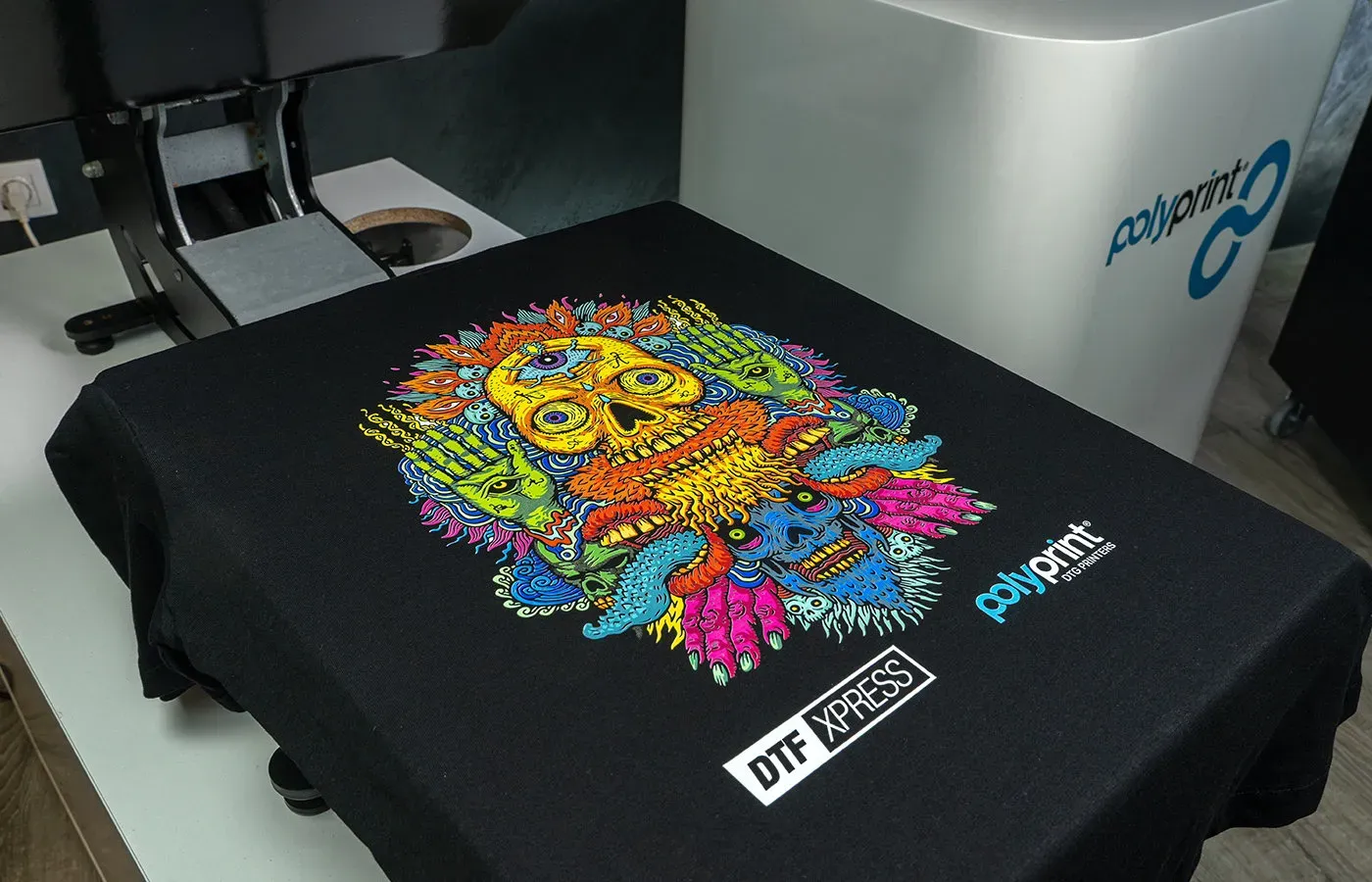
In the realm of fabric printing techniques, DTF printing, or Direct-to-Film printing, has emerged as a game-changer, offering a unique blend of quality and convenience. This innovative method allows for the transfer of beautiful, vibrant designs onto various textiles, making it a favored choice among entrepreneurs and DIY enthusiasts alike. Unlike traditional methods such as screen printing and heat transfer vinyl, DTF printing offers a simpler setup and incredible color accuracy, ensuring that your designs truly pop. With its ability to capture intricate details and maintain durability after washing, DTF printing stands out in a crowded market by addressing the needs of small to medium-sized production runs. As you navigate the diverse landscape of printing methods comparison, understanding the benefits of DTF can significantly enhance your fabric printing projects.
Also known as Direct-to-Film printing, DTF offers a modern approach to creating impressive designs on fabrics, catering to various markets, from custom apparel to promotional merchandise. It utilizes a specialized film that acts as a versatile medium for printing, allowing for efficient transfers onto different textiles without requiring extensive setup. As the printing industry evolves, DTF printing presents itself as an excellent alternative to traditional methods like Direct-to-Garment printing and screen printing, particularly when it comes to optimizing production processes and minimizing costs. With its rising popularity, understanding this fabric printing technique can equip you to make informed decisions for your printing needs.
What is DTF Printing?
DTF printing, or Direct-to-Film printing, is an advanced printing technology that facilitates high-quality designs transferred onto various fabrics. This method utilizes a unique film that undergoes a digital printing process, allowing for exceptionally vibrant colors and intricate details. Unlike traditional methods, DTF printing simplifies complexity, making it ideal for small businesses or design enthusiasts who require flexibility and speed in production.
The DTF printing process involves printing your design onto a specially coated transfer film. After the design is printed, a layer of hot melt adhesive is applied, allowing the design to bond effectively with the fabric when heat is applied. This method is particularly advantageous for achieving detailed and colorful prints on various materials, including cotton and polyester blends, offering a versatile option not always available with other printing techniques.
DTF Printing vs. Direct-to-Garment Printing
While both DTF and Direct-to-Garment (DTG) printing aim to provide high-quality textile prints, they differ significantly in their execution and optimal use cases. DTG printing excels in producing complex, colorful designs directly onto garments, making it an excellent choice for larger runs or detailed artwork. However, it often requires pre-treating fabrics, which can slow down the production process and increase costs for smaller operations.
In contrast, DTF printing doesn't need pre-treatment and supports a broader range of material types, making it more accessible to those who need quick turnaround times for smaller orders. This flexibility and efficiency make DTF an attractive alternative for small businesses that need to balance quality with urgency in their printing needs.
Advantages of DTF Printing Over Screen Printing
DTF printing offers several compelling advantages over traditional screen printing, particularly for small to medium-sized runs. One significant benefit is the reduced setup time and costs associated with DTF. In screen printing, each color in a design requires a separate screen, which can lead to extensive preparation time and high initial investment for smaller projects.
On the other hand, DTF printing streamlines the process by allowing multiple colors to be printed simultaneously onto a film. This ability not only simplifies production but also enables designs to be customized easily and cost-effectively. As a result, businesses can create vibrant, multi-colored apparel without the considerable financial commitment typical of screen printing.
Evaluating the Quality of DTF Prints
Quality is a critical factor when choosing between printing methods. DTF printing is renowned for its ability to produce vibrant colors and fine details that maintain their integrity even after multiple washes. This quality is especially important for brands that pride themselves on delivering durable products that look great over time.
Furthermore, the adhesive transfer technique employed in DTF allows for excellent fabric adherence, which contributes to the longevity and durability of the prints. When high-quality films and inks are utilized, DTF can produce prints that rival those on the market today, making it a strong contender for businesses focused on high-quality output.
Material Compatibility in DTF Printing
One of the standout features of DTF printing is its versatility across various fabric types. Whether you're working with cotton, polyester, or blends, DTF printing enables businesses to create custom designs on diverse materials with ease. This adaptability makes it an ideal choice for a wide range of products, including apparel, accessories, and promotional items.
Unlike some other methods like screen printing, which can have limitations based on the fabric used, DTF printing ensures consistent results across different surfaces. This ability to work on a variety of materials makes DTF an attractive option for those looking to produce unique designs that appeal to different markets, allowing for greater creative freedom.
Future Trends in DTF and Textile Printing
As the printing industry continues to evolve, DTF printing is poised to play a pivotal role in shaping the future of fabric printing techniques. With advancements in technology and increased demand for high-quality, customizable products, DTF printing is likely to expand its presence in both retail and personalized printing sectors. Innovations in ink technology and film quality will further enhance its capabilities, making it even more appealing for businesses aiming to stand out in a competitive market.
Moreover, as sustainability becomes a more pressing issue, DTF printing’s efficient use of materials and lower waste production compared to traditional methods could make it a favorable choice in an eco-conscious marketplace. Companies that leverage DTF printing will likely find themselves at the forefront of the industry, attracting customers who prioritize not only quality but also sustainability in their purchasing decisions.
Frequently Asked Questions
What is DTF printing and how does it compare to other printing methods?
DTF printing, or Direct-to-Film printing, is a method where designs are printed onto a special film and transferred onto fabric via heat and pressure. Compared to other methods like Direct-to-Garment (DTG), screen printing, and heat transfer vinyl, DTF offers vibrant colors and durability, especially for small to medium-sized runs.
What are the advantages of DTF printing over screen printing?
DTF printing is often more cost-effective for small runs due to lower setup costs and less complexity than screen printing, which requires multiple screens for each color. Additionally, DTF provides more flexibility in terms of fabric types and allows for intricate designs without the extensive preparation needed for screen printing.
Can DTF printing be used on various fabric types?
Yes, DTF printing is highly versatile and can be applied to a range of fabrics including cotton, polyester, and blends. This adaptability makes DTF an excellent choice for custom apparel, promotional products, and more, accommodating different printing needs.
How does DTF printing ensure vibrant colors and durability?
DTF printing utilizes high-quality inks and films that allow for vibrant colors and fine details. The durability of DTF prints is impressive, as they maintain their quality even after multiple washes, making them suitable for businesses that prioritize long-lasting product appeal.
What is the cost-effectiveness of DTF printing compared to DTG printing?
DTF printing can be more economical than Direct-to-Garment (DTG) printing, especially for small orders. DTG often involves higher setup costs and requires fabric pre-treatment, while DTF simplifies the process, reducing both time and financial investment for small batch productions.
What should I consider when choosing between DTF printing and DTG printing?
When deciding between DTF and DTG printing, consider factors such as production speed, fabric types, the intricacy of designs, and cost. DTF generally offers faster processing and better performance on polyester blends, while DTG can provide superior quality on 100% cotton fabrics.
| Feature | DTF Printing | DTG Printing | Screen Printing | Heat Transfer Vinyl |
|---|---|---|---|---|
| Vibrant Colors and Detail | Yes | Yes | Moderate | Low |
| Material Versatility | High (cotton, polyester, blends) | Moderate (cotton primarily) | High (but limited to fabric types) | Varies by vinyl type |
| Setup Cost and Time | Low and fast | High and slow | High and slow | Moderate and variable |
| Ideal for Small Runs | Yes | No | No | Yes |
| Durability | High with quality inks | Moderate | High | Moderate |
Summary
DTF printing represents a revolutionary advancement in the world of custom printing. With its ability to produce high-quality, vibrant designs on various materials, DTF offers significant advantages, particularly for small to medium-sized orders. Its faster application process, reduced setup costs, and minimal pre-treatment requirements make it an appealing choice for businesses and individuals alike. As the printing industry continues to evolve, understanding the unique benefits of DTF printing is essential for making informed decisions that meet your specific needs.