
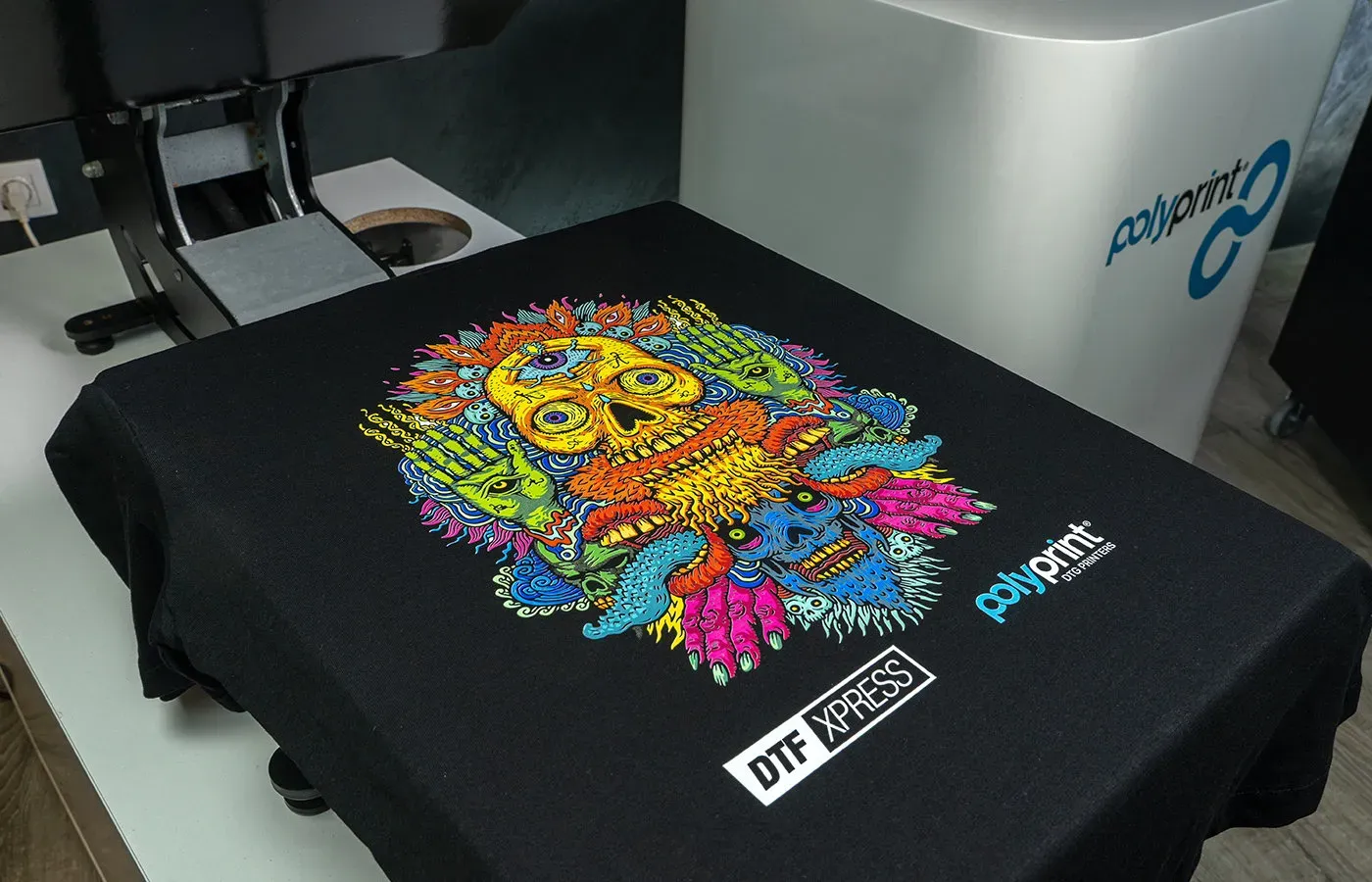
DTF printing, short for Direct-to-Film technology, is revolutionizing the world of personalized fashion by enabling intricate designs to be applied to various fabrics. As consumer demand for individualized apparel skyrockets, brands are increasingly embracing DTF printing for its versatility and efficiency. This cutting-edge method allows for vibrant colors and detailed graphics, making it ideal for fashion design innovation. Furthermore, DTF printing is recognized for its sustainable printing capabilities, ensuring that the production process aligns with eco-friendly practices. In this blog post, we’ll explore the rise of DTF printing and its significant influence on the personalization trends shaping today’s fashion landscape.
Also known as Direct-to-Film printing, DTF technology offers an innovative solution for the customization of apparel, capturing the essence of modern fashion design. This approach allows fashion brands to easily create unique and tailored clothing that meets the aspirations of style-conscious consumers. With its ability to produce exceptionally detailed graphics and maintain high-quality prints, this printing method is gaining momentum among designers looking to express creativity while also considering sustainability. As brands strive to resonate with their audience, the adoption of this progressive technique highlights a strong shift towards personalized fashion options that reflect individuality. In this article, we will uncover how DTF is reshaping consumer experiences in the realm of bespoke apparel.
Understanding DTF Printing Technology
Direct-to-Film (DTF) printing represents a significant advancement in the textile industry, streamlining the process of applying intricate designs to fabrics. This technique utilizes advanced printing technology to transfer designs onto a specialized film, which is then heat-pressed onto textiles. Unlike traditional methods like screen printing, which can be labor-intensive and limited in complexity, DTF enables an expansive range of colors and details within a single print run. This flexibility makes it highly appealing to fashion brands that are looking to embrace innovation while catering to the diverse preferences of modern consumers.
As brands increasingly shift focus towards personalized fashion, DTF printing stands out as both efficient and economical. The ability to quickly produce custom designs enables companies to engage directly with consumers, allowing for the creation of unique garments that mirror individual styles. This advancement not only enhances customer satisfaction but also opens new avenues for creative collaboration between brands and their audiences, solidifying DTF’s role as a pivotal technology in today’s evolving fashion landscape.
Trends Shaping DTF Personalization in Fashion
The rise of personalization trends in fashion is fundamentally transforming the consumer experience. DTF printing technology facilitates bespoke apparel options that allow customers to influence design choices directly. Consumers can personalize items through their artwork, phrases, or pre-designed templates, resulting in a deeper emotional connection to their clothing. This level of customization is particularly appealing in streetwear fashion, where identity, status, and exclusivity are key components.
Additionally, brands are capitalizing on the trending demand for limited-edition releases driven by DTF technology. The ability to quickly adapt designs and produce small batch runs caters to consumers' desires for exclusivity and uniqueness. This trend not only aligns with the increasing appetite for personalized fashion but also helps brands maintain a competitive edge by offering selections that resonate with niche markets.
Sustainability in DTF Printing
Sustainability is becoming a critical focus within the fashion industry, and DTF printing is positioned as a solution to reduce environmental impact. Compared to traditional screen printing, DTF technology utilizes significantly less water and reduces fabric waste through its efficient production process. By driving down the amount of dye and chemicals needed, brands can offer eco-friendly choices that appeal to environmentally-conscious consumers.
Moreover, DTF printing allows brands to embrace sustainable practices without sacrificing quality or creativity. With an emphasis on innovative printing methods, companies can showcase their commitment to sustainability while producing high-quality, durable garments. This harmonious blend of style and environmental responsibility resonates with modern consumers, who are increasingly seeking out brands that reflect their values.
Challenges in Adopting DTF Printing
While DTF printing offers numerous advantages, brands must also navigate some inherent challenges. One primary concern is ensuring consistent quality control, especially when scaling production. Intricate designs that look stunning in a sample may not always translate perfectly across different batches, leading to potential customer dissatisfaction. Implementing rigorous quality assurance processes is essential for brands to maintain their reputation and keep their customer base engaged.
Additionally, transitioning from traditional printing methods to DTF can entail significant upfront costs for technology and training. Brands may find it challenging to justify these investments unless they can achieve clear returns. Educating both staff and consumers about the benefits of DTF printing is crucial for successful adoption and will help foster trust in this innovative printing technology.
Innovative Applications of DTF in Fashion Design
DTF printing is pushing boundaries in fashion design by encouraging creatives to explore innovative applications of fabric technologies. Customization capabilities allow designers to experiment with mixed media and integrate various styles into a single garment. DTF's flexibility not only meets the consumer demand for personalization but also enables designers to explore avant-garde concepts and avant-garde fashion forecasts.
Collaboration is another exciting application of DTF technology in fashion. Brands can work with influencers, artists, and even customers to create limited-run lines of apparel that showcase collective creativity. These collaborations create buzz and anticipation in the market while reinforcing the importance of consumer engagement in the contemporary fashion landscape.
The Future of Fashion with DTF Printing
As the fashion industry continues to evolve, Direct-to-Film (DTF) printing is set to play a pivotal role in shaping its future. The increasing consumer demand for personalized fashion underscores a greater trend toward individuality and self-expression in clothing. DTF technology supports this by providing brands with the tools to facilitate unique designs that cater to the diverse aesthetic preferences reflected in the marketplace.
Furthermore, the intersection of creativity and technology heralds an exciting era in fashion where innovation drives new possibilities. As DTF printing becomes mainstream, brands that adapt and harness its capabilities will not only respond to current trends but also set new standards for personalization and sustainability. The future of fashion will undoubtedly be influenced by advancements like DTF, highlighting the importance of aligning modern technologies with evolving consumer lifestyles and preferences.
Frequently Asked Questions
What is DTF printing and how does it work in fashion design?
DTF printing, or Direct-to-Film printing, is a revolutionary method for applying intricate designs to textiles. It involves printing designs onto a special film, which is then transferred onto garments using heat and pressure. This technology allows for vibrant colors and detailed graphics, making it a preferred choice for brands wanting to offer personalized fashion items.
What are the benefits of using DTF printing for personalized fashion?
DTF printing offers numerous benefits for personalized fashion, including the ability to produce unique, custom designs quickly and efficiently. It reduces fabric waste and water usage compared to traditional methods, making it a more sustainable printing solution. Additionally, DTF allows brands to easily switch designs, catering to fast-paced consumer demands for customization.
How does DTF printing contribute to sustainability in the fashion industry?
Direct-to-Film (DTF) printing contributes to sustainability by minimizing fabric waste and requiring less water than conventional printing techniques. This eco-friendly approach appeals to environmentally-conscious consumers, allowing fashion brands to align their operations with sustainable practices while meeting the growing demand for personalized designs.
What trends are emerging in DTF personalization within the fashion sector?
Emerging trends in DTF personalization include bespoke apparel, where consumers can customize garments with their designs, and limited-edition releases that leverage the flexibility of DTF. Additionally, brands are increasingly collaborating with customers on design projects, leading to unique fashion items that reflect individual styles and preferences.
What challenges do brands face when implementing DTF printing technology?
While DTF printing offers many benefits, brands may face challenges such as maintaining consistent quality across batches and managing the initial costs of transitioning from traditional printing methods. Additionally, educating consumers about DTF's advantages and sustainable qualities is crucial for successful adoption.
Is DTF printing suitable for all types of fabrics and clothing?
Yes, DTF printing is suitable for a wide range of fabrics, including cotton, polyester, and blends. Its versatility makes it an excellent choice for various clothing items, from t-shirts to activewear. The technique ensures high-quality prints that withstand washing and wear, making it ideal for personalized fashion across multiple styles.
| Key Point | Details |
|---|---|
| What is DTF Printing? | A cutting-edge method that transfers designs onto fabrics using films, allowing rich colors and intricate graphics. |
| Market Growth | The DTF market was valued at approximately $396 million in 2022, with significant growth expected due to consumer demand for personalized fashion. |
| Adoption by Major Brands | Many retailers are integrating DTF, benefiting from quick design switches and reduced downtime. |
| Personalization Trends | Consumers increasingly seek clothing that reflects individuality, making DTF essential for engaging customers. |
| Sustainability Considerations | DTF printing is noted for requiring less water and fabric waste compared to traditional methods, appealing to eco-conscious consumers. |
| Technological Innovations | Advancements in DTF processes improve print quality, durability, and overall appeal for both brands and consumers. |
| Challenges and Considerations | Brands must navigate quality control, initial investments, and consumer education in adopting DTF technology. |
Summary
DTF printing is revolutionizing the fashion industry by enabling unprecedented levels of personalization in apparel design. This innovative printing method not only meets the increasing consumer demand for unique clothing but also enhances the creative possibilities for brands. As DTF technology continues to evolve, it offers brands the opportunity to produce bespoke and limited-edition items that resonate deeply with individual consumer styles. Furthermore, its eco-friendly aspects align with the growing consumer awareness of sustainability, making DTF printing an essential focus for fashion brands eager to connect with modern shoppers. In summary, DTF printing is at the forefront of transforming how fashion brands perceive personalization, ensuring a vibrant and dynamic future for clothing design.